

Decoding the Distress Signals
Before you get your hands dirty, your plant often sends out visible clues that its root system is in trouble. The most common sign is wilting, even when the soil is moist. This happens because the decaying roots can no longer absorb water effectively.
Another key indicator is yellowing or browning leaves, especially the lower ones closest to the soil. You might also notice that your plant’s growth has slowed down or stopped entirely, with new leaves appearing smaller than usual. In some cases, a foul, swampy odour may emanate from the soil, which is a strong signal of decay. These symptoms are your plant's cry for help, suggesting it's time for a root inspection.
Gently Unpotting Your Plant
To check the roots, you must first carefully remove the plant from its container. This process should be gentle to avoid causing further stress. It's best to do this when the soil is relatively dry, as it will be easier to handle. Tip the pot on its side and gently tap the bottom and sides to loosen the soil. Hold the base of the plant's stems and slowly slide the entire root ball out. Avoid yanking the plant by its stem, which can cause significant damage. If it’s stuck, you can run a knife around the inner edge of the pot to help release it. The goal is to get a clear look at the root system with minimal disruption.
Healthy Roots vs. Rotting Roots
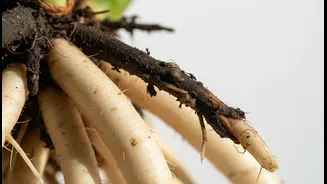
Once the plant is out of its pot, you can begin your diagnosis. Gently shake off the excess soil to expose the root network. Healthy roots are typically firm to the touch and are often white or a light tan colour. They should look fibrous and robust. In contrast, roots suffering from rot will appear dark brown or black. They will feel soft, mushy, and may even fall apart when you touch them. In advanced cases of rot, the outer layer of the root may easily pull away, leaving the inner core behind. A distinct, unpleasant smell is another sure sign of root rot. If most of the roots look healthy and firm, your plant is likely fine. But if you see mushy, dark roots, it's time for immediate action.
Taking Action to Save Your Plant
If you've confirmed root rot, don't panic; if caught early enough, many plants can be saved. First, gently rinse the roots under lukewarm water to wash away the old, contaminated soil and get a better look at the damage. Using a clean, sterilized pair of scissors or pruning shears, carefully trim away all the brown, mushy, and dead roots. Be thorough, as any remaining rot can spread. If you have to remove a significant portion of the root system, it's a good idea to also prune back about one-third of the plant's leaves. This helps balance the plant, as the reduced root system can't support as much foliage. Allow the trimmed roots to air-dry for a few hours before repotting.
Repotting for a Fresh Start
Repotting correctly is crucial for recovery. Do not reuse the old soil, as it can contain the fungal spores that caused the rot in the first place. Choose a clean pot with plenty of drainage holes. If you're reusing the old pot, disinfect it thoroughly with soap and hot water. Select a fresh, well-draining potting mix. You can improve aeration and drainage by adding materials like perlite or orchid bark to your soil mix. Place the plant in its new pot, which should not be much larger than the remaining root ball, and fill with the fresh mix. Water lightly and wait until the top inch or two of soil is dry before watering again.
Preventing Rot in the Future
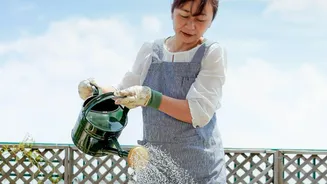
Prevention is always better than cure. The leading cause of root rot is overwatering, which creates a low-oxygen, waterlogged environment where fungi thrive. To avoid this, always check the soil before watering. A simple finger test works well: if the top inch or two of soil feels dry, it's time to water. Ensure your pots have adequate drainage holes to let excess water escape. Using a well-draining soil mix appropriate for your plant type is also essential. By mastering these basic care principles, you can provide a healthy environment for your plant's roots and keep rot at bay.