




The Royal Piece of Heaven
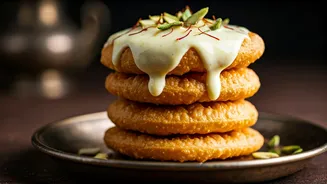
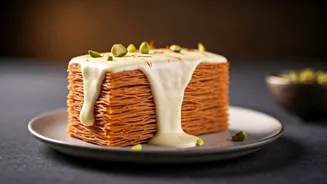
Imagine a slice of bread, transformed. It’s no longer humble, but golden and crisp, having been fried to perfection in rich ghee. This crispy canvas is then submerged in a warm, sweet, fragrant syrup before being lavished with a thick, creamy layer of rabri—a
slow-cooked, thickened milk infused with saffron and cardamom. To finish, a generous sprinkle of slivered pistachios and almonds. This is Shahi Tukda, which translates to 'royal piece' or 'royal morsel'. And it lives up to its name. It’s not just a sweet dish; it’s an opulent experience, a dessert that feels like a celebration in every spoonful. The contrast of textures—the crisp edges of the bread giving way to a soft, syrup-soaked centre, all enrobed in velvety cream—is what makes the first bite so memorable.
A Sweet With a Story
Shahi Tukda isn’t a modern invention born in a trendy café. Its roots run deep into India’s rich culinary past, tracing back to the lavish kitchens of the Mughal emperors. It’s a prime example of Mughlai cuisine, known for its richness, aromatic spices, and complex preparation methods. Legend has it that this dessert was created as a way to use up leftover bread, transforming a simple staple into a dish fit for kings. The use of expensive ingredients like saffron, cardamom, and ghee marked it as a food of luxury and status. Eating Shahi Tukda is, in a way, like tasting history. It connects you to a bygone era of palatial feasts and grand celebrations, where food was not just for sustenance but was a form of art and an expression of wealth.
The Symphony in a Spoonful
So, what makes this dessert 'pure happiness'? It’s the masterful symphony of sensations. The happiness begins before you even take a bite—with the vibrant yellow of the saffron-infused rabri and the glistening, jewel-like nuts. Then comes the first spoonful. The warmth of the freshly prepared dessert hits your tongue first, followed by an intense, but not cloying, sweetness from the sugar syrup. The ghee-fried bread offers a satisfying, slightly crunchy texture that quickly melts away into a soft, pudding-like consistency. The rabri provides a creamy, cooling counterpoint, its subtle flavour scented with floral saffron and warm cardamom. Finally, the crunch of the pistachios and almonds adds a delightful textural surprise. It's a complex, multi-layered experience where every single component plays a crucial role in creating a balanced, utterly satisfying whole.
More Than Just a Dessert
In India, Shahi Tukda is a dessert of joy and togetherness. It's a staple at festive occasions like Eid and Diwali, and a popular choice for weddings and family gatherings. Making it is often a labour of love, with the slow-cooking of the rabri requiring patience and attention. Serving it is an act of generosity, a way of sharing something special and luxurious with loved ones. It’s the kind of dessert that’s associated with happy memories, of festive lights and the laughter of family. This deep cultural connection elevates it from a mere sweet treat to a carrier of tradition and emotion. When you eat it, you’re not just indulging your sweet tooth; you’re partaking in a cultural ritual.
Finding Your Slice of Bliss
Experiencing this royal treat is easier than you might think. Many restaurants specialising in North Indian or Mughlai cuisine, particularly in cities like Delhi, Lucknow, and Hyderabad, will feature Shahi Tukda on their dessert menu. Look for places known for their traditional preparations to get the most authentic experience. For the adventurous home cook, making it yourself is a deeply rewarding process. While it has several components—frying the bread, making the sugar syrup, and preparing the rabri—none are overly complicated. The key is to use good quality ingredients: pure ghee for frying, full-fat milk for a creamy rabri, and fresh spices for the best aroma. The effort is more than worth it when you present your own 'royal piece' to delighted family and friends.