






Decoding the Latest Visa Requirements
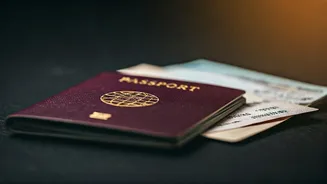
The days of a straightforward visa-on-arrival for all Indian passport holders are over. As of 2026, the rules are more nuanced. A conditional 14-day visa-on-arrival is available, but only for Indian citizens who hold a valid visa or residence permit from
specific countries like the United States or European Union member states. This facility allows for a single extension of another 14 days. However, it's crucial to note a recent policy shift. According to guidelines issued by the UAE's Federal Authority for Identity, Citizenship, Customs & Port Security (ICP), Indian nationals holding only a UK residence visa will soon no longer be eligible for this facility, a change that could affect many frequent travellers. Those with US or EU visas remain eligible for now. For everyone else, applying for a pre-arranged tourist e-visa online is now mandatory before travel. This can be a 30-day or 60-day visa, depending on your travel plans. Always verify your specific eligibility with your airline before booking to avoid being denied boarding.
The Food Items You Must Leave Behind
Many travellers from India enjoy bringing a taste of home, but UAE customs regulations are particularly strict about certain food items. Several staples of the Indian kitchen are either banned or restricted, leading to confiscation and delays. Completely prohibited items include cooked foods, paan (betel leaves), gutka, and poppy seeds (khaskhas). One of the most common items causing issues is copra, or dried coconut, which is banned from both check-in and cabin baggage due to its high oil content making it a fire risk.
Other items are restricted to check-in luggage only. This includes most powdered spices like turmeric and chilli powder, as they can interfere with security scanners. Homemade pickles and ghee are also frequently flagged. While some pickles are allowed in checked baggage, oily pickles are often restricted. To avoid having your bags refused at check-in, it's safest to leave these items at home or purchase them upon arrival in the UAE, where most Indian products are widely available.
Navigating Strict Medicine Regulations
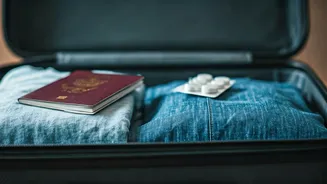
This is arguably the most critical area to get right. The UAE has a zero-tolerance policy for undeclared or improperly documented medications. The rules are tiered. Standard over-the-counter medicines like paracetamol or ibuprofen for personal use (up to a three-month supply) are generally fine to carry without paperwork, but they should be in their original packaging.
For regular prescription medication (e.g., for blood pressure or cholesterol), you must carry a valid doctor's prescription in English that clearly states the medical condition and dosage. The real danger lies with 'controlled' substances. This category includes many common drugs for pain, anxiety, and neurological conditions, such as anything containing codeine or tramadol, as well as medications like Xanax, Valium, and Ritalin. To bring these into the UAE, you must apply for an online permit from the UAE Ministry of Health and Prevention (MOHAP) well in advance of your trip. Arriving with these drugs without a pre-approved permit can result in serious legal consequences, so always check the official controlled medicines list on the MOHAP website.
Other Key Rules: Gold, Cash and Electronics
For those returning to India, it's useful to know that India’s customs rules for bringing in gold jewellery from places like Dubai have been updated. The duty-free allowance is now based on weight, not value, which simplifies the process for returning residents carrying bona fide baggage. When travelling to the UAE, be mindful of the cash you carry. Any amount exceeding AED 60,000 (or its equivalent in other currencies) must be declared to customs upon arrival.
Finally, a simple but often overlooked rule involves electronics. As with most international travel, power banks and other devices containing lithium batteries must be packed in your cabin baggage, not your checked luggage. Drones are another item that cannot be brought in without obtaining prior permits. A quick check of these rules can save you from last-minute hassles at the airport.