




A Celestial Gathering Before Sunrise
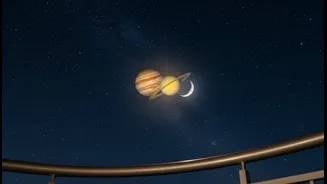
The main event for planet-watchers this month happens in the pre-dawn sky. On the mornings of July 11 and 12, look toward the eastern horizon before the sun comes up. You'll be treated to a lovely celestial arrangement featuring the waning crescent Moon
alongside Mars and the brilliant planet Saturn. NASA highlights these mornings as a key skywatching opportunity. The Moon acts as a perfect guide, making the planets easy to locate. Mars will appear as a distinct, reddish point of light, while Saturn will shine with a steadier, golden glow. While Uranus is also in the same patch of sky, its faintness means you would likely need binoculars to pick it out. This gathering of the Moon, Mars, and Saturn is the month's most accessible planetary grouping, offering a clear view even for beginners.
Venus Dazzles in the Evening
If early mornings aren't for you, the evening sky has its own spectacle. Venus, the brightest object in the night sky after the Moon, will be putting on a show in the west just after sunset. On July 9, Venus has a close encounter with Regulus, the brightest star in the constellation Leo, creating a striking side-by-side comparison. Venus blazes so brightly that it can be easily spotted even in light-polluted urban environments. Later in the month, on July 17, a young crescent Moon will pass close to Venus, creating another beautiful and easy-to-spot pairing shortly after sunset. These events are perfect for casual observers, as they require no special equipment and happen at a convenient time.
Tips for Balcony Stargazing
Viewing celestial events from an apartment balcony comes with its own set of challenges, primarily light pollution and a limited field of view. However, the Moon and bright planets like Venus, Mars, Jupiter, and Saturn are often bright enough to cut through the city glow. To make the most of your experience, first, turn off all the lights on your balcony and inside your apartment to help your eyes adapt to the darkness; this can take 20 to 30 minutes. Second, use a stargazing app on your smartphone. Apps like Sky Map or Night Sky can use your phone's GPS to show you exactly where to look for planets and constellations in real-time. Finally, while not essential for viewing planets, a simple pair of binoculars can dramatically enhance the view, revealing details like the moons of Jupiter or the soft glow of the Pleiades star cluster, which also makes an appearance near Mars on July 11.
Understanding the 'Alignment'
While we often use the term "planetary alignment," the planets won't actually be in a perfectly straight line in space. From our perspective on Earth, they will simply appear grouped together in the same small section of the sky. These gatherings, or conjunctions, are visually appealing and make it much easier for novice astronomers to identify multiple planets at once. The lineup of the Moon, Mars, and Saturn on July 11-12 is a perfect example. The Moon's presence provides an unmistakable landmark to guide your eyes. Similarly, when Venus cozies up to the star Regulus or the crescent Moon, it provides context and makes the viewing experience richer. These aren't once-in-a-lifetime events, but they are beautiful, recurring reminders of the dynamic nature of our solar system, accessible to everyone.
What Else to Look For
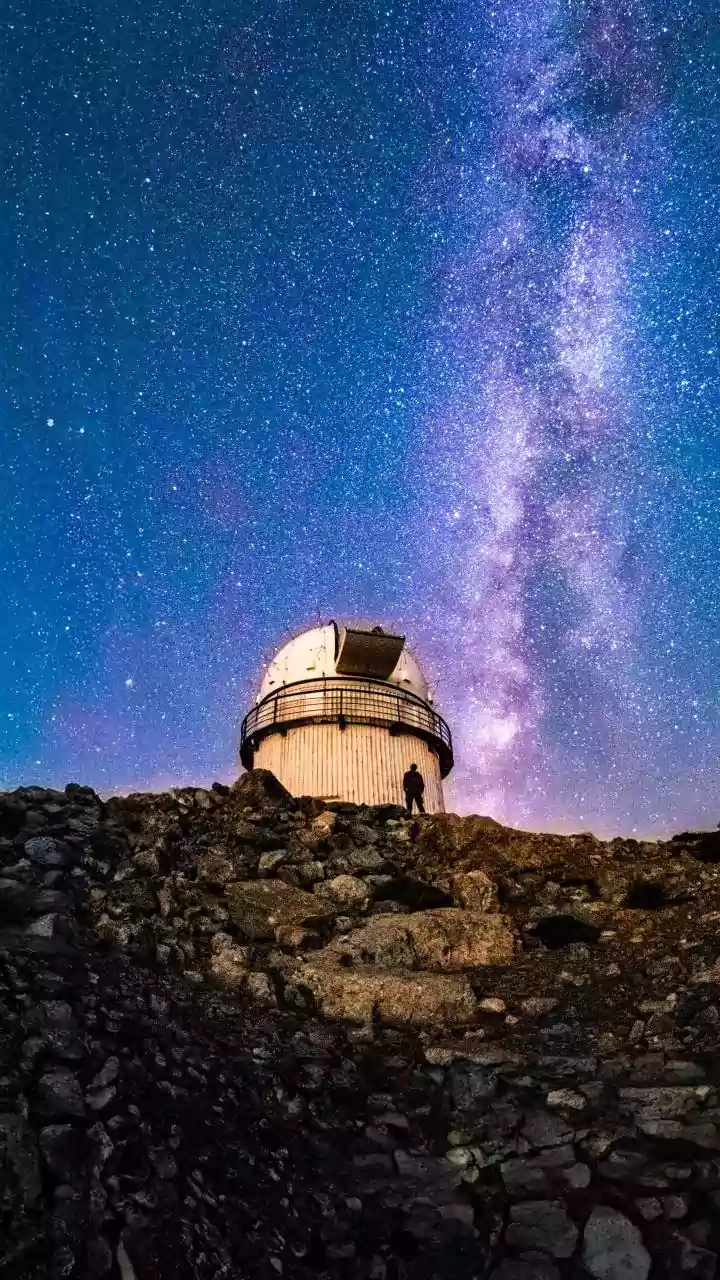
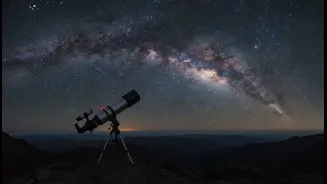
Beyond the planets, July is a prime month for another celestial wonder: the Milky Way. The darkest nights will be around the new moon on July 14, providing the best window to catch a glimpse of our galaxy's faint, cloudy band stretching across the sky. While seeing the Milky Way's core from a city balcony is extremely difficult due to light pollution, you might be able to spot its brighter sections if you are in a location with a clear, dark southern view. The month also features two meteor showers, though the bright moon may interfere with viewing the peak activity. Still, even with city lights, looking up on a clear July night offers a rewarding experience, connecting you to the larger universe from the comfort of your home.