





Understanding Your Opponent: Noise
Before you start soundproofing, it helps to know what you’re up against. Sound travels in two main ways: through the air (airborne noise) and through the structure of your home (structure-borne noise). Traffic noise is a mix of both. The roar of an engine
is airborne, while the vibrations it sends through the ground and into your walls are structure-borne. Effective soundproofing requires tackling both pathways. This is often measured using a Sound Transmission Class (STC) rating; the higher the STC number, the better a material is at blocking sound. A standard single-pane window might have an STC of around 25, meaning normal speech can be heard clearly through it. Good residential soundproofing aims for a rating of 38-42 or higher.
The Weakest Link: Fortifying Your Windows
Windows are almost always the primary entry point for traffic noise. A typical wall has a much higher sound-blocking capability than a standard window. Start here for the biggest impact. For a simple, low-cost fix, hang heavy, sound-dampening curtains or blinds. These soft materials absorb sound waves. For a more robust solution, seal any air gaps around the window frame with acoustic caulk, which remains flexible to absorb vibrations. If your budget allows, upgrading your windows makes a significant difference. Double-pane or even triple-pane windows create insulating air gaps that drastically reduce noise transmission. Another option is installing window inserts, which are secondary panes of glass or acrylic that fit inside your existing window frame, boosting their STC rating significantly.
Bolstering Your Walls and Doors
While windows are a major culprit, sound also penetrates walls and doors. The key principles for soundproofing these surfaces are adding mass and decoupling. Adding mass makes it harder for sound waves to vibrate the structure. An effective method is to add another layer of drywall. For even better results, a product called Green Glue can be used between the two drywall layers; it’s a compound that converts sound energy into a tiny amount of heat. Doors are another weak point. A hollow-core interior door does little to stop noise. Replacing it with a solid-core door will add significant mass. Ensure there are no gaps around the door by using weatherstripping on the frame and installing a door sweep at the bottom to seal the gap with the floor.
Simple, Budget-Friendly Fixes
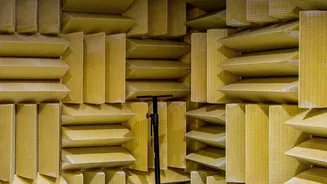
You don't need a full renovation to make a noticeable difference. Soft materials are your best friend when it comes to absorbing sound that’s already inside a room, which prevents echo and makes the space feel quieter. Large, soft furniture like upholstered sofas and chairs can absorb a lot of sound. A large bookcase filled with books against the road-facing wall adds mass and diffuses sound waves. Placing thick rugs or carpets on the floor is another effective way to dampen both airborne noise and structure-borne vibrations from footsteps. Even hanging tapestries or acoustic foam panels on the walls can help. These solutions are not only functional but can also enhance your room’s decor. Heavy moving blankets are another inexpensive DIY option that can be hung on walls to absorb sound.