







Okra (Bhindi)
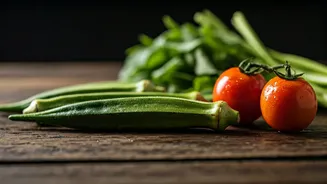
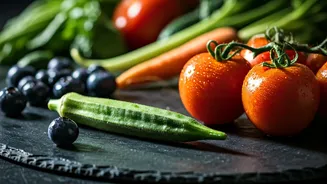
A staple in most Indian households, bhindi (or okra) is an excellent vegetable to include in your monsoon diet. It is a low-calorie vegetable rich in dietary fibre, which aids digestion—a common concern during this season. The soluble fibre in bhindi helps
in stabilising blood sugar levels. Furthermore, it's packed with Vitamin C, a powerful antioxidant that strengthens the immune system to help ward off common monsoon infections like colds and flu. For a simple, healthy preparation, try making a light 'kurkuri bhindi' in an air fryer or a simple stir-fry with minimal spices to retain its nutrients.
Bitter Gourd (Karela)
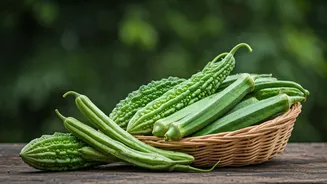
Don't let its bitter taste put you off. Karela is a powerhouse of nutrients that are particularly beneficial during the rainy season. It has antiviral and antibacterial properties, which are crucial for building resistance against infections that thrive in the damp weather. Rich in antioxidants and vitamins A and C, bitter gourd helps maintain clear skin, fighting off the acne and fungal infections that can flare up during the humid months. A simple karela stir-fry with onions or stuffing it with a spice mix can help balance its bitterness while delivering all its health benefits.
Bottle Gourd (Lauki)
Often considered bland, lauki is one of the most hydrating and easily digestible vegetables, making it perfect for the monsoon. Its high water content helps keep you hydrated, while its fibre content promotes a healthy digestive tract and prevents constipation. Bottle gourd is also rich in iron and is an excellent source of vitamins B and C. Since water-borne diseases are a risk during this season, consuming well-cooked lauki in the form of a soup or a simple sabzi is a safe and healthy option. It's light on the stomach and provides essential nutrients without taxing your digestive system.
French Beans
French beans are another fantastic monsoon vegetable. They are an excellent source of plant-based protein and are loaded with vitamins A, C, and K. The high vitamin C content is key for boosting immunity. Beans are also rich in antioxidants called flavonoids, which contribute to heart health. Most importantly, they are a great source of soluble fibre, which helps regulate the digestive system. A simple and delicious way to prepare them is to lightly steam and then sauté them with a bit of garlic, mustard seeds, and coconut. This preparation keeps them crunchy and nutrient-dense.
Pointed Gourd (Parwal)
Parwal, or pointed gourd, is a highly recommended vegetable during the monsoon. According to Ayurveda, it's light on the stomach and helps balance the digestive system. It is rich in fibre, which helps keep the gut clean, and is packed with vitamins A and C, which bolster the immune system. Its blood-purifying properties can also help in keeping skin healthy and glowing. Parwal can be used to make a variety of dishes, from simple stir-fries and gravies to stuffed curries. Its ability to combat common seasonal ailments like coughs and colds makes it a valuable addition to your plate.
A Note on Leafy Greens
While leafy greens like spinach (palak) and fenugreek (methi) are nutritious, they require extra care during the monsoon. The high moisture in the air means they are more susceptible to mud, grit, and germs. If you choose to eat them, ensure they are purchased from a reliable source and washed thoroughly. It's best to blanch them in hot water for a minute before cooking to kill any residual germs. When handled with care, they remain an excellent source of iron and other vital nutrients.