






The End of a Glorious Era
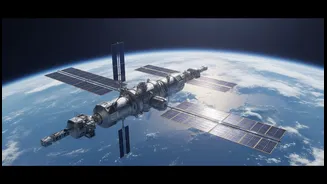
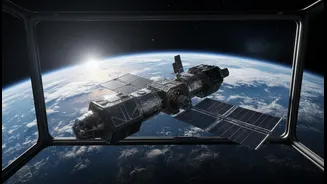
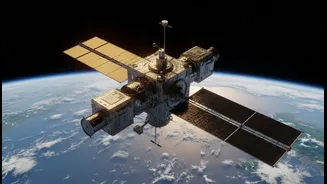
The International Space Station stands as one of the greatest engineering marvels in human history. Since continuous crewed operations began in November 2000, it has hosted hundreds of astronauts from dozens of countries, enabling groundbreaking research
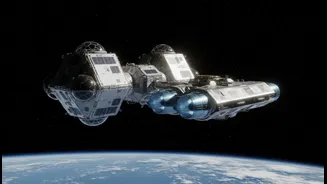
in everything from medicine to materials science. But after three decades of service, the station is showing its age. Facing rising maintenance costs and growing concerns about its structural integrity, NASA and its international partners have scheduled the ISS for a controlled deorbit into the Pacific Ocean around 2030. Its retirement marks the end of a chapter, but also the beginning of a radical new strategy for human presence in low-Earth orbit (LEO).
NASA's New Role: From Owner to Customer
Instead of building a direct successor, NASA is fundamentally changing its approach. The agency plans to transition from being the owner and operator of an orbital laboratory to becoming just one of many customers in a new commercial LEO economy. Through its Commercial LEO Destinations (CLD) program, NASA is actively funding and supporting private companies to develop their own space stations. On July 6, 2026, NASA released a draft solicitation for partners to design, build, and operate these new commercial outposts, signaling that the market is officially open for business. The plan is to have multiple certified platforms in orbit by the end of the decade, ensuring there is no gap in U.S. access to space for research and exploration.
Meet the New Landlords of LEO
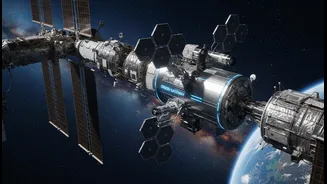
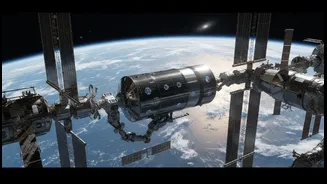
Several companies are vying to become the first commercial landlords in orbit, each with a unique approach. Axiom Space plans to first attach its modules to the ISS, starting as early as 2027, before detaching to become a free-flying station called Axiom Station once the ISS retires. Another major contender is Vast, which is developing a single-module station called Haven-1, targeting a launch in early 2027. Starlab Space, a joint venture between Voyager Space and Airbus, is developing its own station with a target launch around 2029. Then there is Orbital Reef, a concept from Blue Origin and Sierra Space for a "mixed-use business park" in space, designed to host a wide range of clients from researchers to tourists.
Building an Economy Beyond Earth
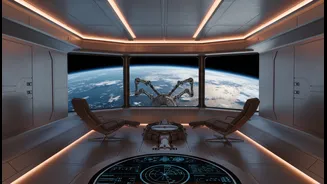
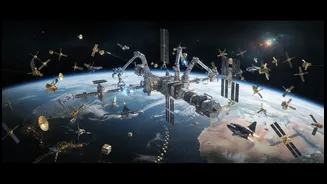
The vision for these new stations goes far beyond pure science. While supporting NASA as an anchor tenant is key to their business models, these companies are planning for a diverse customer base. The goal is to create a robust LEO economy that includes in-space manufacturing, sovereign astronaut missions for other countries, pharmaceutical research, technology development, and even space tourism. By operating commercially, these stations can be more flexible and cost-effective than a government-run facility, potentially lowering the barrier to entry for a wide variety of industries hoping to leverage the unique microgravity environment. Success would mean transforming LEO from a government-funded research park into a self-sustaining industrial hub.
A Race Against a Hard Deadline
Despite the ambitious plans, the path forward is filled with challenges. The primary concern is the tight timeline. Can these complex stations be designed, built, launched, and certified before the ISS is deorbited around 2030? Any significant delay could create a gap in America's continuous human presence in orbit, a capability the nation has held for more than two decades. Furthermore, there are immense financial and technical hurdles. Building a space station is an incredibly expensive and difficult undertaking, and questions remain about whether the commercial market will mature quickly enough to make these ventures profitable in the long term. The recent NASA solicitation calls for a crewed flight test by 2029, putting immense pressure on these companies to deliver.