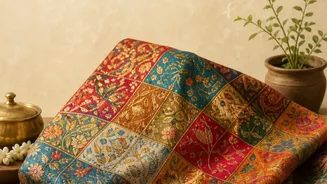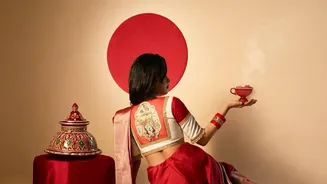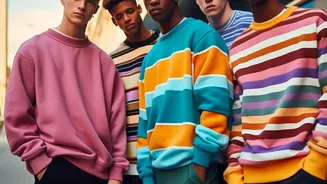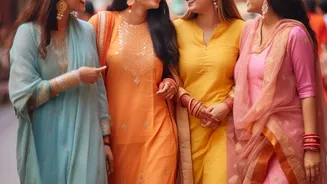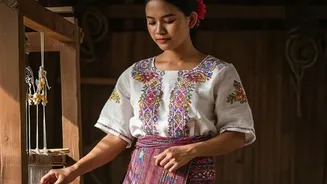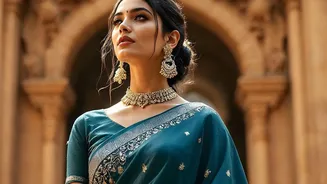

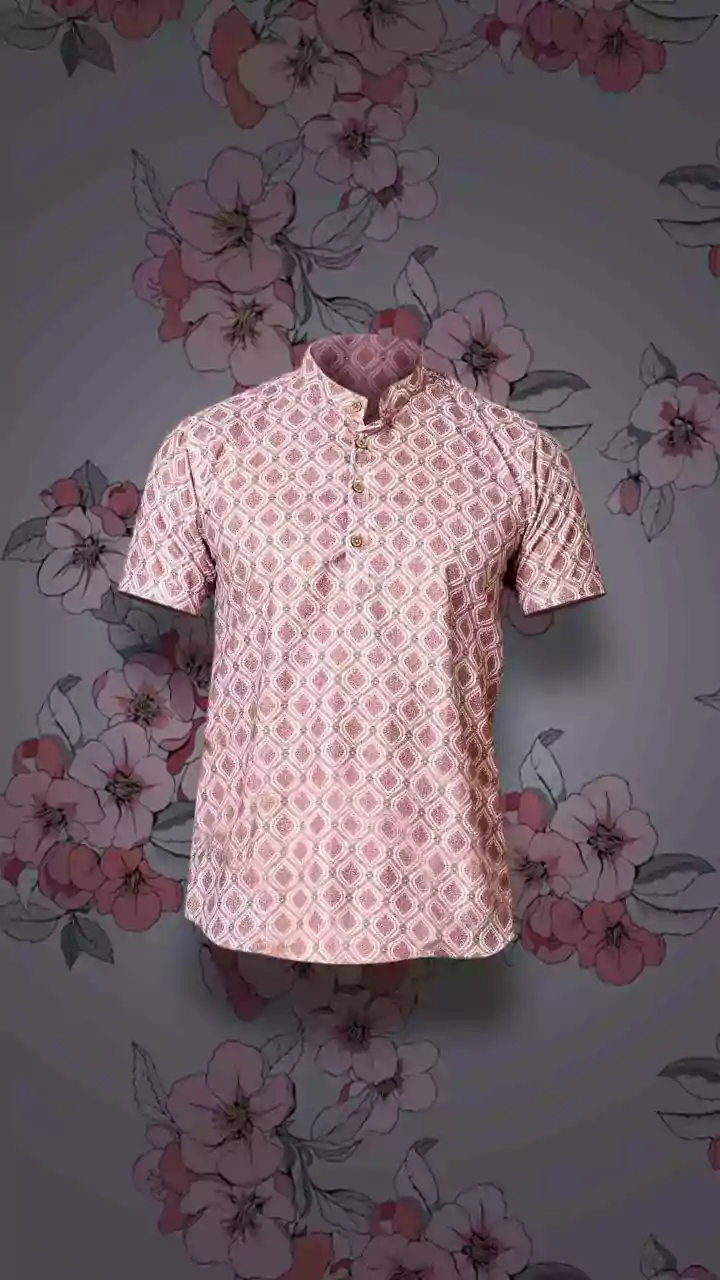

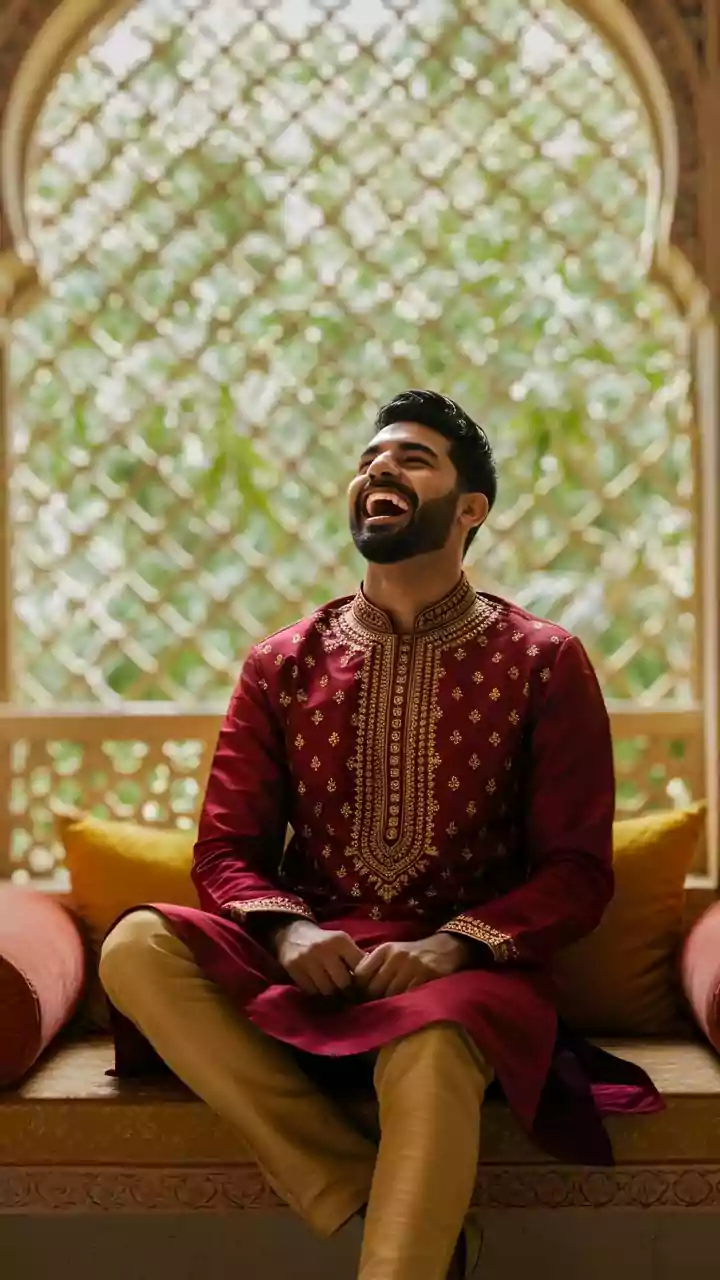
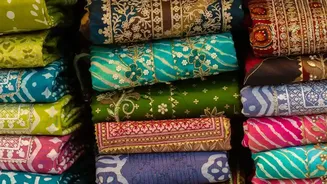
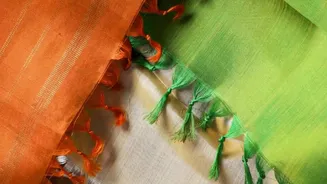
A quiet revolution is unfolding in Indian fashion. Younger shoppers are looking past fleeting trends and finding modern expression in heritage handlooms, proving that fabrics like Khadi and Chanderi offer more than just history—they offer year-round style.
From Heirloom to Everyday Staple
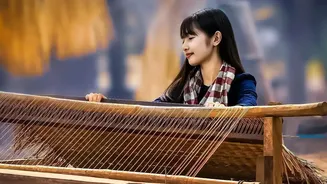
For years, handwoven textiles were often stereotyped as occasion-wear, reserved for weddings or passed down as heirlooms. But a significant shift is underway, driven by Gen Z and millennial consumers. This generation is increasingly rejecting the environmental toll of fast fashion in favor of authenticity and conscious consumption. They are drawn to pieces that tell a story, support artisanal communities, and carry cultural meaning. This isn't just about buying a garment; it's about investing in a piece of heritage that reflects personal values. The global handloom market is expanding, with forecasts showing steady growth fueled by this demand for sustainable and distinctive items. This movement transforms traditional fabrics from something to be preserved in a trunk to a dynamic part of everyday self-expression.
The All-Weather Advantage of Handloom
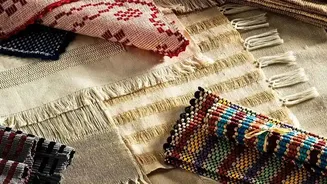
One of the most compelling features of regional weaves is their remarkable adaptability to India's diverse climate. Many assume these textiles are heavy or suitable only for specific seasons, but their natural fibers offer surprising versatility. Take Khadi, for instance. The hand-spun, hand-woven fabric has a unique cellular structure that allows air to circulate, making it cooling and breathable in the summer. In winter, these same air pockets act as a natural insulator, trapping body heat to provide warmth. Similarly, lightweight weaves like Chanderi, a blend of cotton and silk from Madhya Pradesh, are prized for their sheer, airy quality, making them perfect for hot weather while still looking elegant. This inherent breathability and comfort are key reasons why younger shoppers are integrating them into their year-round wardrobes.
Styling Weaves for Sun, Rain, and Cold
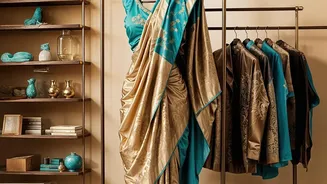
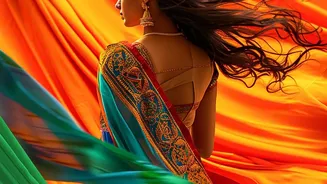
The true versatility of these fabrics shines in how they can be styled across seasons. For summer, light cottons, linens, and breezy Kota Doria are ideal choices. Designers and fashion influencers are showcasing them as oversized shirts, comfortable co-ord sets, and minimalist dresses. For the monsoon, quick-drying fabrics like art silks and chiffons in vibrant prints become practical yet stylish choices. When temperatures drop, the narrative shifts to layering. A classic saree can be given a chic winter update by pairing it with a turtleneck sweater or a structured blazer. A heavy, embroidered shawl can double as a statement pallu, providing both warmth and elegance. Woolen and rich silk weaves like Banarasi brocade are perfect for creating layered looks with coats and jackets, proving that traditional textiles can be both functional and fashionable in colder months.
A Modern Canvas for Ancient Crafts
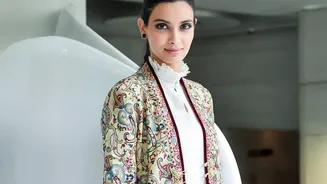
This revival isn't about wearing textiles in purely traditional forms. Designers and brands are reinterpreting these fabrics into contemporary silhouettes that appeal to a younger audience. Classic weaves are being transformed into sharply tailored jackets, versatile separates, and even ethnic jumpsuits and sareendowns. You'll see Jamdani, a fine muslin from Bengal, fashioned into modern dresses, or Ajrakh, a blockprinted textile from Gujarat, used for jackets and shirts. This fusion of heritage craft with modern cuts allows wearers to celebrate Indian craftsmanship without compromising on contemporary style. It's common to see a handloom kurta paired with denim, a saree draped over trousers, or a traditional dupatta styled as a crop top, highlighting a playful and experimental approach.
More Than a Trend, It's a Choice
Ultimately, the shift towards regional weaves is more than a fleeting fashion trend; it's a conscious choice. For younger shoppers, it's a way to build a meaningful wardrobe that aligns with values of sustainability, cultural pride, and individuality. By choosing handloom, consumers support the livelihoods of rural artisans and help preserve generational skills that are at risk from mass production. In a world of homogenized global trends, these fabrics offer a unique identity rooted in a rich cultural legacy. They represent a move towards 'slow fashion'—thoughtfully choosing garments that are durable, timeless, and carry a story.