



The Science of the Snap
That irresistible crunch we love comes down to one simple thing: dehydration. When you cook food, particularly at high temperatures, the moisture on its surface evaporates rapidly. This process, combined with the Maillard reaction (the browning that creates
complex, savoury flavours) and caramelization of sugars, forms a dry, rigid, and brittle outer layer. Deep-frying is brilliant at this because the hot oil quickly displaces all surface moisture. But it's not the only way. The goal of healthy crisping is to replicate this rapid surface dehydration using hot air instead of a vat of oil. By understanding that crispiness is about removing water efficiently, you can unlock a world of crunchy textures without the excess fat.
The Air Fryer Revolution
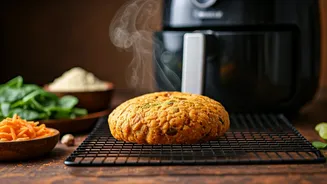
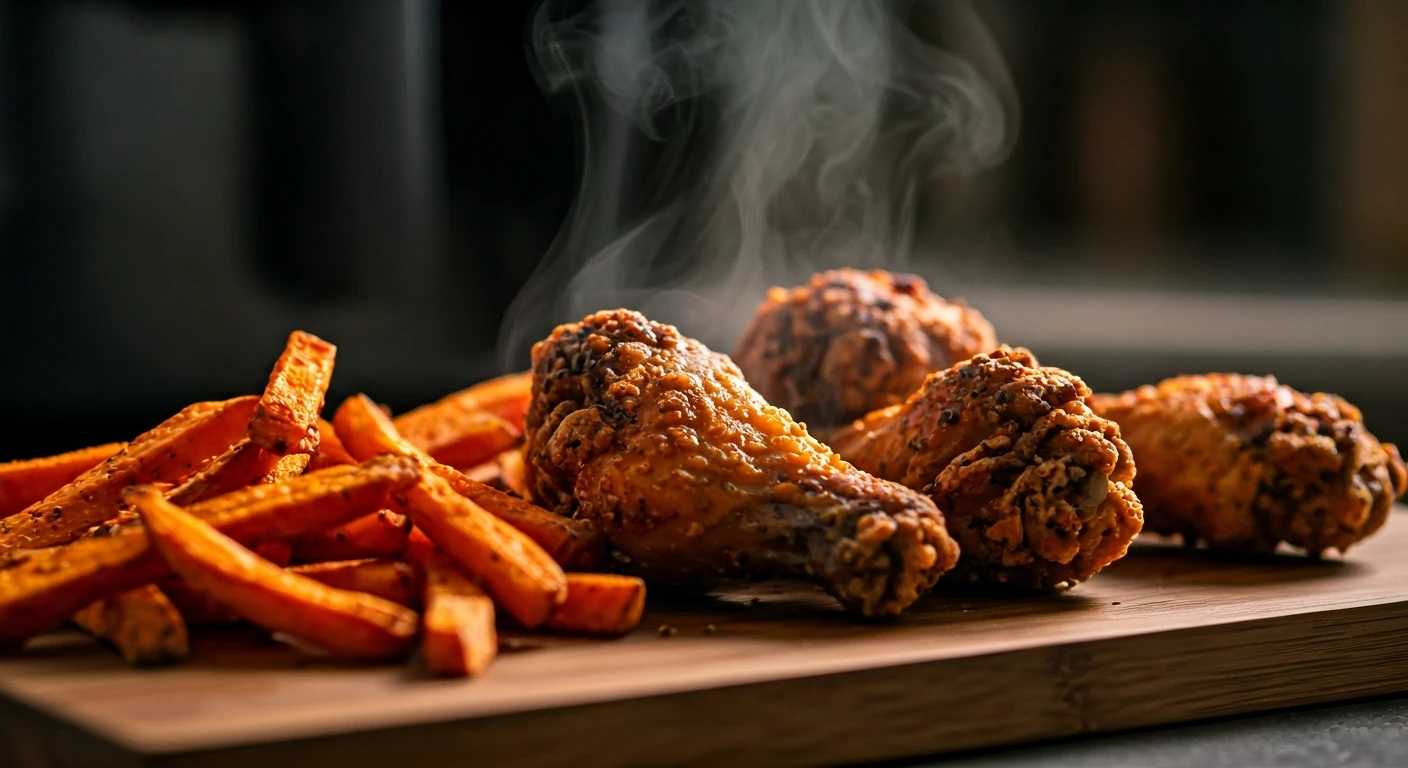
The air fryer is arguably the king of healthy crisping. It’s essentially a small, powerful convection oven that circulates extremely hot air at high speed. This whirlwind of heat is incredibly effective at wicking moisture away from the surface of food, mimicking the effect of deep-frying with a fraction of the oil—often just a teaspoon or a light spray is enough. For perfectly crispy results, avoid overcrowding the basket; this ensures air can circulate around each piece. Pat your food, especially vegetables like potatoes or bhindi, completely dry before adding a minimal coating of oil and your spices. From French fries to crispy okra and even chicken wings, the air fryer delivers a satisfying crunch that was once reserved for the fryer.
Harness Your Oven's Power
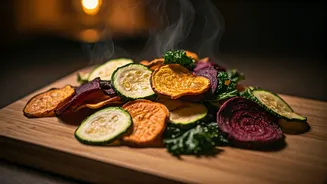
Don't have an air fryer? No problem. Your conventional oven is a formidable crisping tool if you know how to use it. The key is high heat—at least 200-220°C (400-425°F). This intense heat helps the moisture evaporate before the food has a chance to steam itself. If your oven has a convection setting, use it; the fan-forced air acts like a mini-air fryer. To maximize crispiness, spread your food in a single layer on a baking sheet, ensuring no pieces are touching. For an even better result, place a wire rack on top of the baking sheet. This allows hot air to circulate underneath the food, crisping all sides at once and preventing a soggy bottom. This method is perfect for roasting vegetables like cauliflower, broccoli, and sweet potatoes until they are tender on the inside with a delightfully browned and crispy exterior.
Secrets from the Pantry
Technique is crucial, but a few pantry staples can give you an extra edge. For things like potatoes or chicken, a very light dusting of cornstarch or rice flour before cooking can create an incredibly crispy coating. These starches absorb surface moisture and fry up into a thin, brittle shell. Another tip is to be mindful of your oil. While you're using less, the type still matters. An oil with a high smoke point, like canola, sunflower, or avocado oil, is best for high-heat roasting. Using an oil spray bottle can help you achieve a thin, even coating without accidentally drenching your food. Finally, don't salt your vegetables until *after* they are cooked. Salt draws out moisture, which is the enemy of crispiness. Add it right before serving to keep everything perfectly crunchy.
Crispy Indian Classics, Reimagined
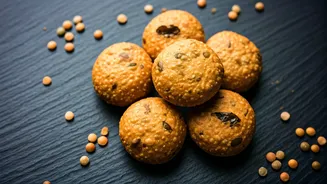
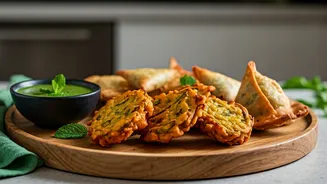
Now, let’s apply these techniques to some beloved Indian favourites. Craving samosas? Use store-bought spring roll wrappers or a simple homemade dough, fill them, brush lightly with oil, and bake at high heat or air fry until golden and blistered. You get the crunch without the deep fry. For pakoras or vadas, adapt your batter to be slightly thicker. Drop spoonfuls onto a lightly oiled baking sheet or into the air fryer and cook until crisp, flipping halfway through. The texture will be slightly different—more dense and roasted than light and airy—but still delicious. And for the ultimate crispy snack, try 'Kurkuri Bhindi' in the air fryer. Simply toss sliced okra with a touch of oil and spices, and air fry until it's as crunchy as a chip. It's proof that healthy and crispy can happily coexist on the same plate.