







Trouble at the Source: Crop Damage
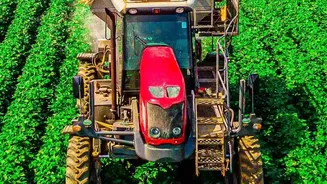
The journey begins on the farm, where the monsoon can be both a blessing and a curse. While essential for agriculture, excessive or erratic rainfall leads to significant problems. Heavy downpours can flood fields, leading to waterlogged crops like onions,
tomatoes, and leafy greens, which are highly susceptible to root rot and fungal diseases. In states like Maharashtra, recent heavy rains have damaged lakhs of hectares of cropland, affecting everything from cotton and soybean to essential vegetables. This direct damage reduces the overall quantity of produce available for harvesting, creating the first wave of supply shortages. Even for surviving crops, the quality can be degraded, making them less suitable for transport and sale.
The Broken Path: Transportation Bottlenecks
Once harvested, the produce must travel from rural farms to urban wholesale markets, or mandis. This is the second and perhaps most significant hurdle during the monsoon. Heavy rains wreak havoc on India's infrastructure, causing waterlogged highways, landslides in hilly regions, and damage to rural roads. This can increase transportation time by up to 40% in some areas. A truck that might normally take a day can be delayed for several, waiting for water to recede or for roads to be cleared. These delays are critical for perishable goods. A truck full of tomatoes or coriander stuck on a highway for an extra day means a significant portion of the load may spoil before it even reaches the market, further shrinking the available supply.
Market Mayhem: Supply, Demand, and Price Hikes
By the time the diminished and delayed supply reaches the wholesale markets, a classic economic scenario unfolds. Fewer vegetables arriving at the mandi meet with consistent, if not increased, demand from retailers and consumers. This mismatch inevitably drives up wholesale prices. Recent reports from markets across the country show this in action, with prices for staples like ginger, carrots, and even coriander spiking dramatically due to supply disruptions. For example, ginger prices in Kozhikode have soared to ₹220 per kg due to production hits from heavy rain. This initial wholesale price increase is then passed down the chain, from the wholesaler to the local vegetable vendor, and ultimately, to the consumer.
The Perishability Factor
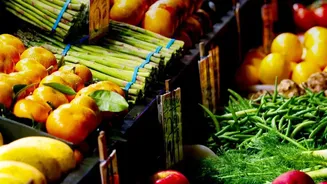
Not all vegetables are affected equally. The price of highly perishable items with a short shelf life, like tomatoes, leafy greens (palak, coriander), and beans, tends to be the most volatile. These items cannot withstand long transport delays or poor storage conditions, which are common during the monsoon. A delay of just a few hours can be the difference between a saleable product and a complete loss. In contrast, hardier vegetables like potatoes and pumpkins have a longer shelf life and can better endure transportation challenges, which is why their prices often remain more stable, though they are not entirely immune. The farther a vegetable has to travel—for instance, from Maharashtra to Delhi—the more vulnerable it is to these monsoon-induced disruptions.
Human Factors: Hoarding and Sentiment
Beyond the weather, human behaviour can amplify the price shocks. Anticipating monsoon-related shortages, some traders and middlemen may hoard stock, deliberately holding back supply from the market to sell it at a higher price later. This artificial scarcity puts even more pressure on an already strained system. The general market sentiment plays a role, too. When there is widespread expectation of further price rises, buyers may engage in panic buying or aggressive procurement, creating a self-fulfilling prophecy of inflation across the food supply chain.