



A Perfect Alignment of Harvest and Weather
The appearance of fresh corn, or bhutta, is not a coincidence but a perfect alignment of India's agricultural clock with its meteorological one. Corn is a kharif crop, which means it is sown just before the monsoon and harvested during the rainy season.
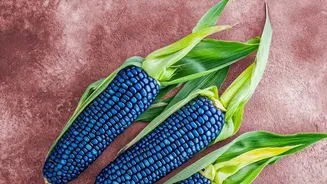
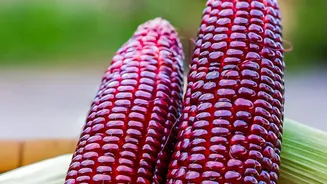
This ensures that the cobs sold on the streets are at their freshest and most tender. While American sweet corn is available in various forms year-round, the monsoon heralds the arrival of the traditional 'desi' or flint corn. This variety is less sweet and has a chewier texture, making it ideal for roasting over open coals, a process that enhances its nutty flavour.
The Economics of a Seasonal Snack
For thousands of small-scale entrepreneurs, the monsoon is bhutta season. Many of these vendors are small farm workers or labourers who supplement their income with this seasonal trade. They spring up on pavements, near markets, and along highways, setting up temporary stalls that consist of little more than a sack of corn, a small charcoal grill ('sigri'), and a few simple ingredients. The business model is simple and effective. The corn is roasted in front of the customer, guaranteeing a fresh, hot snack. This transparency is part of its appeal, standing in contrast to other street foods where freshness can be a concern. It's an affordable pleasure, accessible to everyone from students to office workers taking a break.
A Comforting Ritual and Sensory Experience
More than just a snack, eating bhutta is a monsoon ritual. There is a distinct pleasure in watching the vendor fan the coals, the kernels charring and popping over the heat. The experience culminates in the final preparation: the vendor takes a slice of lemon, dips it in a mixture of salt and spices like chili powder and chaat masala, and rubs it vigorously over the hot cob. This tangy, spicy, and smoky combination is considered the quintessential flavour of the Indian monsoon. The craving for a warm, savoury snack intensifies on cool, rainy days, making the hot-off-the-coals bhutta a perfect comfort food.
A Healthier Street Food Choice
In a landscape of deep-fried samosas and pakoras, roasted bhutta stands out as a relatively healthy option. Since it's roasted or steamed, not fried, it's a lighter choice. Corn itself is a good source of dietary fibre, which aids digestion and helps you feel full for longer. It is also packed with essential nutrients, including B vitamins, antioxidants like lutein and zeaxanthin that are good for eye health, and minerals like magnesium and phosphorus. The traditional desi variety is considered by some to be even more nutritious than the sweeter hybrid corn, as its sugar is a more complex starch that doesn't spike blood sugar levels as quickly.