




From Coverage to Care: A Fundamental Shift
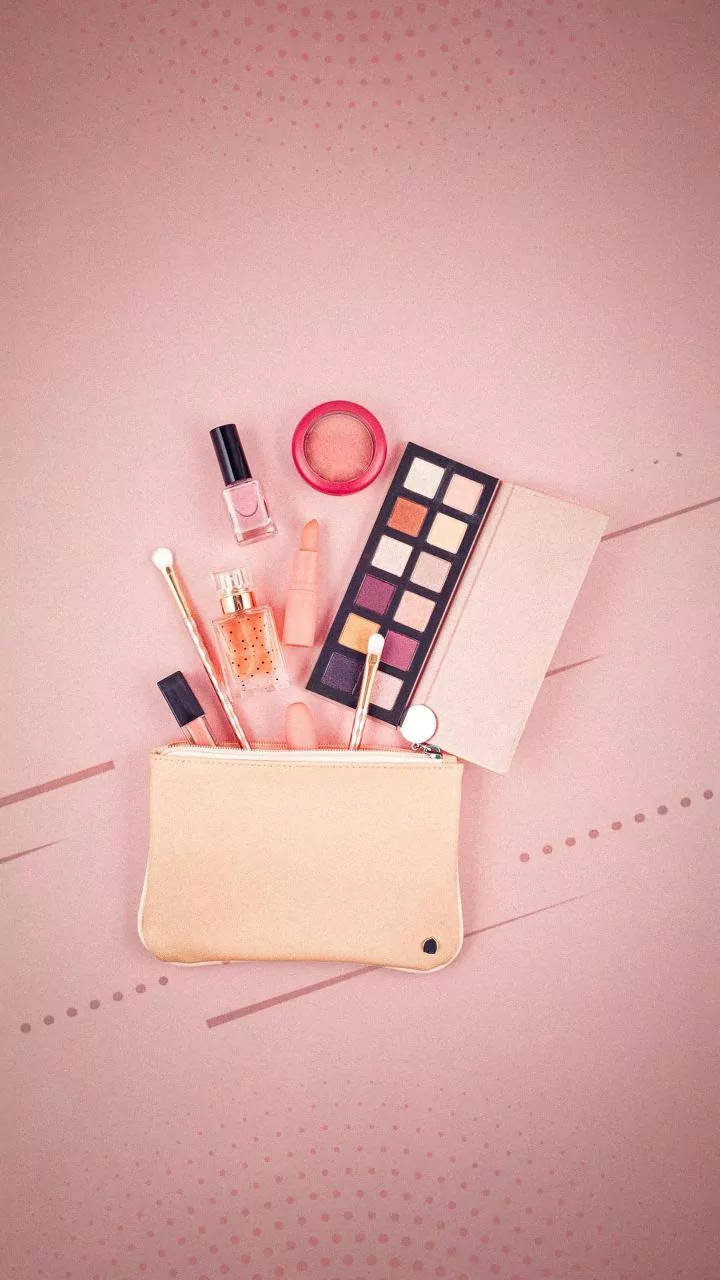
For years, the goal of many beauty routines was to create a flawless canvas using layers of makeup. Imperfections were things to be covered. Now, there's a growing movement that prioritises treating the skin itself rather than masking it. This represents
a significant change in how we approach beauty, focusing on long-term skin health instead of temporary fixes. The new aspiration is a complexion that looks radiant and healthy on its own, making makeup an option rather than a necessity. This shift is reflected in market trends, where the skincare segment consistently dominates the global beauty industry, accounting for over 44% of total market value, compared to makeup's 17%
The 'Skinimalism' Effect
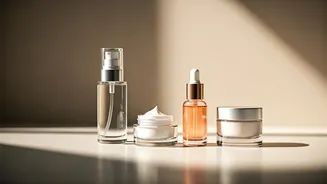
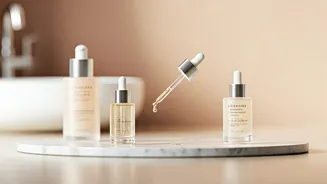
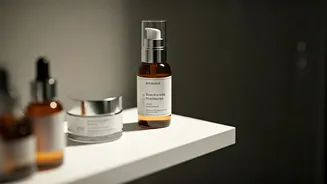
Coined from 'skin' and 'minimalism', the 'skinimalism' trend champions a less-is-more approach. It emerged as a reaction to complicated, multi-step routines that often left consumers feeling overwhelmed and their skin irritated. The philosophy is simple: use fewer, but more effective and multi-functional products. This trend gained significant momentum during the pandemic, as people simplified their daily lives and developed a greater awareness of skin barrier health. Data shows this is more than a fad; one report noted that 75% of consumers now buy three or fewer skincare products, indicating a major behavioural change. Brands are responding with concentrated formulas that combine benefits like hydration and anti-aging properties in a single bottle.
The New Status Symbol: A Lit-From-Within Glow
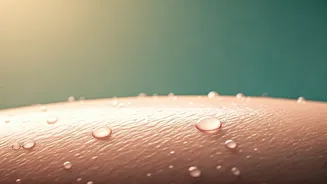
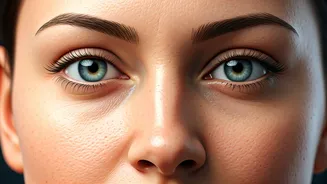
In an age where wellness itself has become a luxury, healthy skin is the latest status symbol. A radiant, well-cared-for complexion implies a lifestyle of balance, rest, and self-investment. It suggests a commitment to consistent, long-term habits. The pursuit of 'glass skin'—a term from Korean beauty for a complexion so smooth and luminous it appears transparent—has become a global phenomenon, popularised by social media. But beyond the trend, the underlying goal is achieving well-functioning skin that is hydrated, calm, and strong. This glow is seen not just as an aesthetic achievement, but as an outward sign of inner health and well-being.
The Rise of the Educated Consumer
Today’s consumers are more knowledgeable than ever. They read ingredient lists, understand active ingredients like hyaluronic acid and retinoids, and demand transparency from brands. This has given rise to the 'skintellectual'—a consumer who seeks out scientific evidence and proven efficacy. The focus is on ingredients that support the skin barrier, provide deep hydration, and protect against environmental damage. As a result, makeup itself is evolving, with a surge in 'hybrid' products that infuse foundations, tints, and primers with beneficial skincare ingredients like niacinamide and antioxidants. Consumers increasingly expect their makeup to not only beautify but also to care for their skin.
Beyond Products: A Holistic Approach
Achieving healthy skin isn't just about what you put on your face. There's a growing recognition that true skin health is holistic, influenced by diet, sleep, stress management, and professional treatments. Hydrating from within by drinking water and eating nutrient-rich foods is a cornerstone of a healthy glow. Daily sunscreen use is considered the single most important anti-aging step by dermatologists. Furthermore, the lines between at-home care and professional treatments are blurring. Clinic-inspired ingredients like PDRN and exosome technologies are now appearing in consumer products, promising regenerative, treatment-grade results. This 360-degree approach reinforces the idea that healthy skin is a reflection of overall wellness.