




The Rise of Co-Living in Urban India
Across major hubs like Bengaluru, Mumbai, Delhi NCR, and Pune, co-living is rapidly moving from a niche concept to a mainstream housing solution. Driven by a massive population of millennials and Gen Z professionals migrating for jobs and education, these
shared living spaces offer a compelling package: affordability, flexibility, and a built-in community. Unlike traditional rentals, which often come with high deposits and long-term commitments, co-living provides a fully-managed, ready-to-move-in experience. This model caters perfectly to a generation that values convenience and experiences over ownership, offering a practical answer to the housing shortages and high rents that define urban real estate.
Enter Modular Furniture: The Perfect Fit
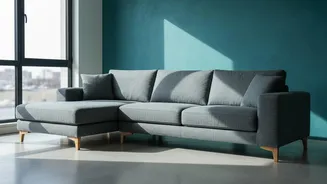
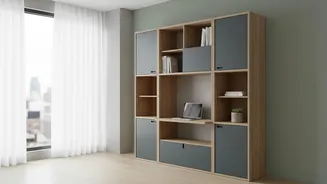
So, how do you make a single property comfortable for multiple residents without it feeling cramped? The answer lies in modular furniture. These are not your standard, bulky pieces. Modular furniture consists of individual, reconfigurable units that can be adapted to fit any space or need. Think of them as building blocks for adults: a sofa that can be an L-shape one day and two separate seats the next, or a shelving unit that can grow vertically up a wall. This adaptability is the primary advantage, making it a natural partner for the dynamic environment of a co-living property where spaces must often serve multiple functions.
Top Trends in Space Optimisation
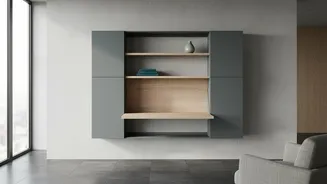
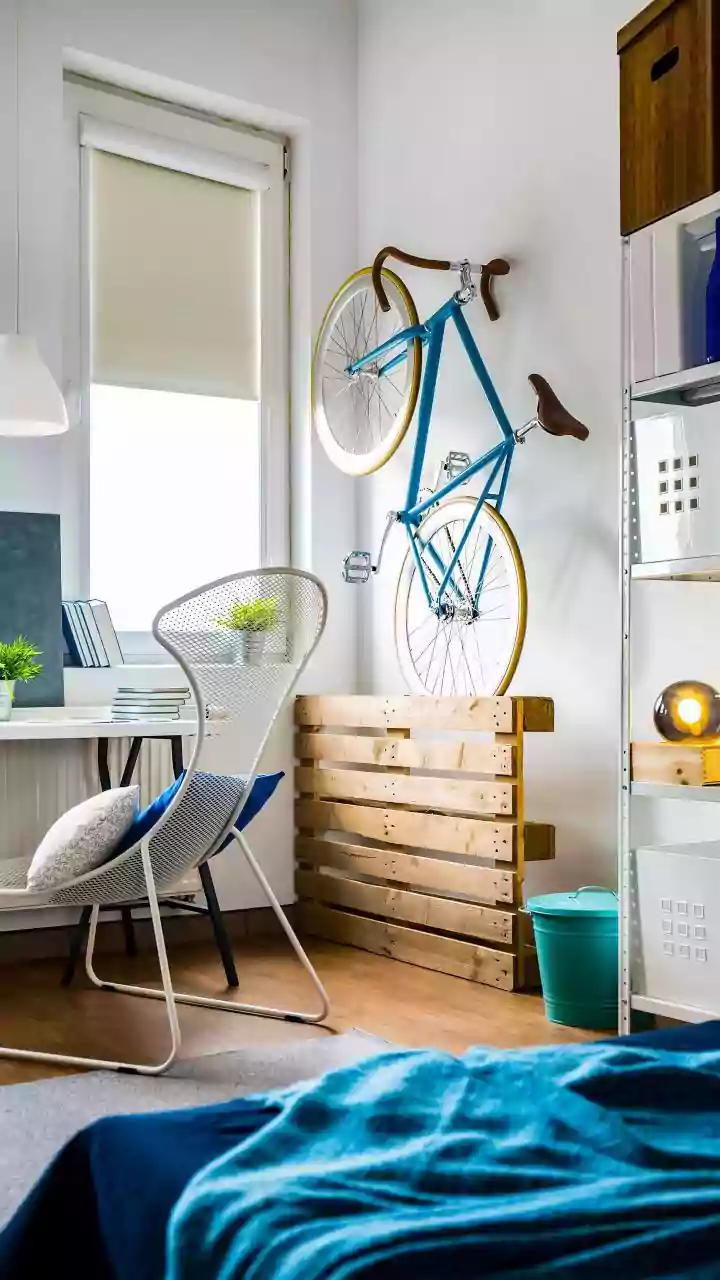
In co-living interiors, every square foot counts. The most popular modular trends are all about multifunctionality. Sofa-cum-beds and convertible coffee tables that lift to become workstations are staples, allowing a lounge to transform into a workspace or guest room. Wall-mounted desks that fold away when not in use are another key feature, preserving precious floor space. In bedrooms, hydraulic beds that lift to reveal massive storage compartments eliminate the need for extra cupboards, while sliding door wardrobes work perfectly in tight corners. Even dining areas are becoming more flexible with extendable tables that can seat four for daily meals and eight for a weekend gathering.
More Than Just Saving Space
While maximising space is the main goal, the benefits of modular furniture go further. Aesthetically, these pieces often feature clean lines and a minimalist design that appeals to modern tastes, making spaces feel airier and less cluttered. The flexibility also fosters a sense of community; lounge furniture can be easily rearranged to create cosy nooks for conversation or open layouts for social events. Furthermore, modularity is an inherently sustainable approach. Instead of discarding an entire piece of furniture when moving or if a part breaks, you can simply add, remove, or replace individual sections. This reduces waste and offers a more cost-effective solution in the long run.
A New Blueprint for Urban Living
The synergy between co-living and modular furniture is creating a new blueprint for how we live in cities. Real estate developers and co-living operators are increasingly designing properties with modularity in mind from the start, creating fluid layouts for shared kitchens, lounges, and coworking zones. Furniture manufacturers, in turn, are responding with innovative designs that integrate technology, such as built-in charging ports and smart features, directly into their modular offerings. This isn't just a fleeting trend; it’s an evolution in design thinking, responding directly to the practical demands of a generation that is mobile, collaborative, and accustomed to on-demand services.