




The Reign of Protein
For the better part of a decade, protein has dominated the health and wellness conversation in India. Shelves became crowded with protein bars, protein-fortified atta, and giant tubs of whey powder. This boom was driven by a growing fitness culture and rising
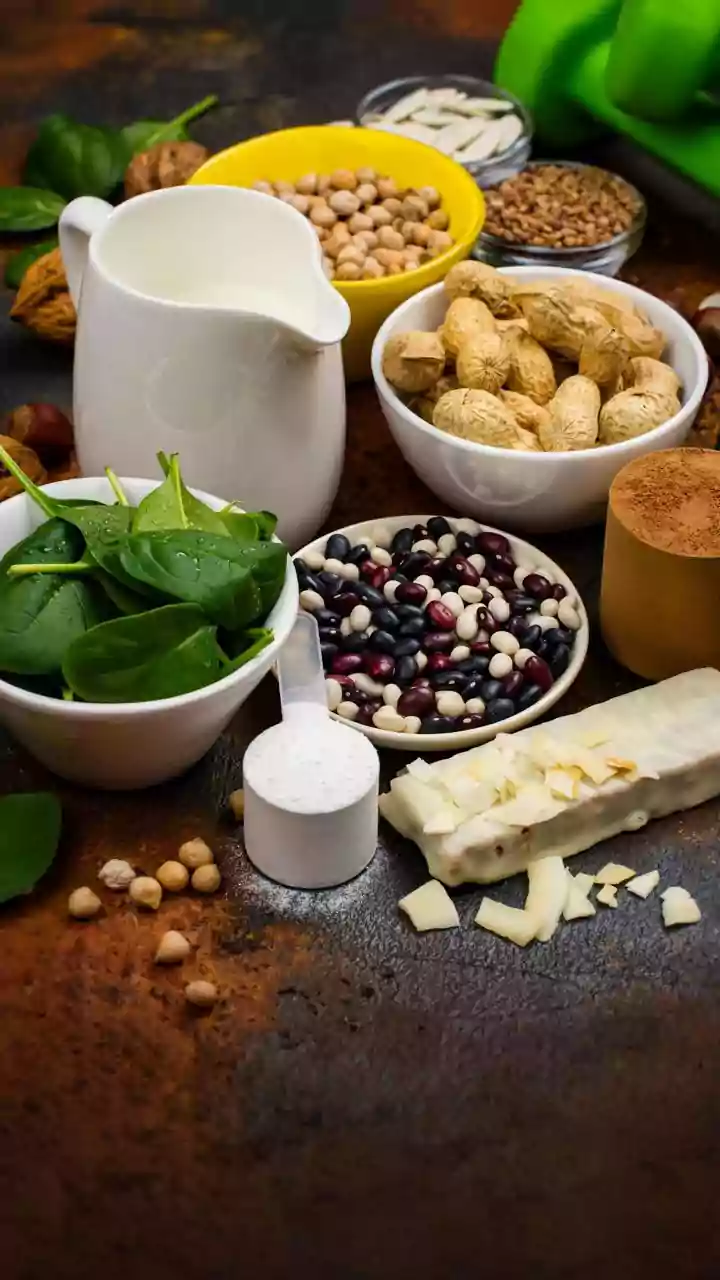
awareness about protein deficiency in typical Indian diets. Brands successfully positioned protein as the go-to solution for everything from muscle building and weight management to overall strength. The Indian protein supplements market, valued at approximately $912.9 million in 2025, reflects this singular focus. For many, the equation was simple: more protein equals better health.
The Rise of the Microbiome
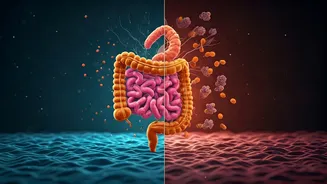
Now, the conversation is shifting from our muscles to our microbes. Gut health, once a niche topic, is entering the mainstream. This isn't just about solving digestive issues like gas and bloating, which affect a significant portion of the Indian population. The interest in gut health is fuelled by growing scientific understanding of the microbiome's role in everything from immunity and mental clarity to hormonal balance. Consumers are realising that holistic well-being isn’t just about building the body from the outside, but also about nourishing it from the deep inside. As a result, the market for probiotics and prebiotics in India is seeing explosive growth, with some projections showing a compound annual growth rate of over 14%.
Science vs. Hype
As gut health gains traction, questions are being raised about the long-term effects of the high-protein trend. Some research suggests that excessive consumption of certain protein supplements, particularly animal-based ones like whey, may negatively impact the diversity of our gut microbiota by decreasing beneficial bacteria. Many protein shakes also contain artificial sweeteners and additives that can disrupt gut harmony. This has led consumers to scrutinise labels more closely, looking for 'clean' and gut-friendly formulations. The focus is shifting from a single-nutrient approach to a more complex, system-wide view of health where the gut is central.
How the Market Is Adapting
Food and wellness brands are taking note. The shift is visible in new product launches that are increasingly highlighting digestive benefits. Plant-based proteins, particularly from sources like pea and hemp, are gaining popularity as they are often perceived as being gentler on the gut. Companies are now formulating products that blend protein with ingredients that support digestion, such as probiotics, prebiotics (fibre), and even traditional Ayurvedic herbs like amla and fennel. The message is evolving from simply 'high protein' to 'holistic nutrition,' acknowledging that consumers are no longer evaluating products on protein content alone.
Friends, Not Foes
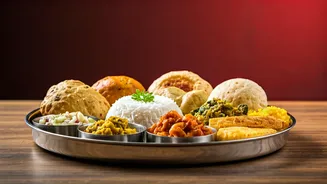
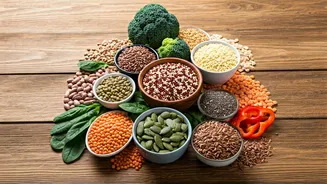
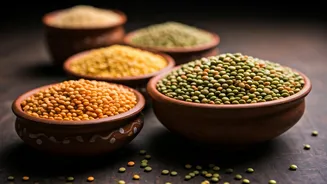
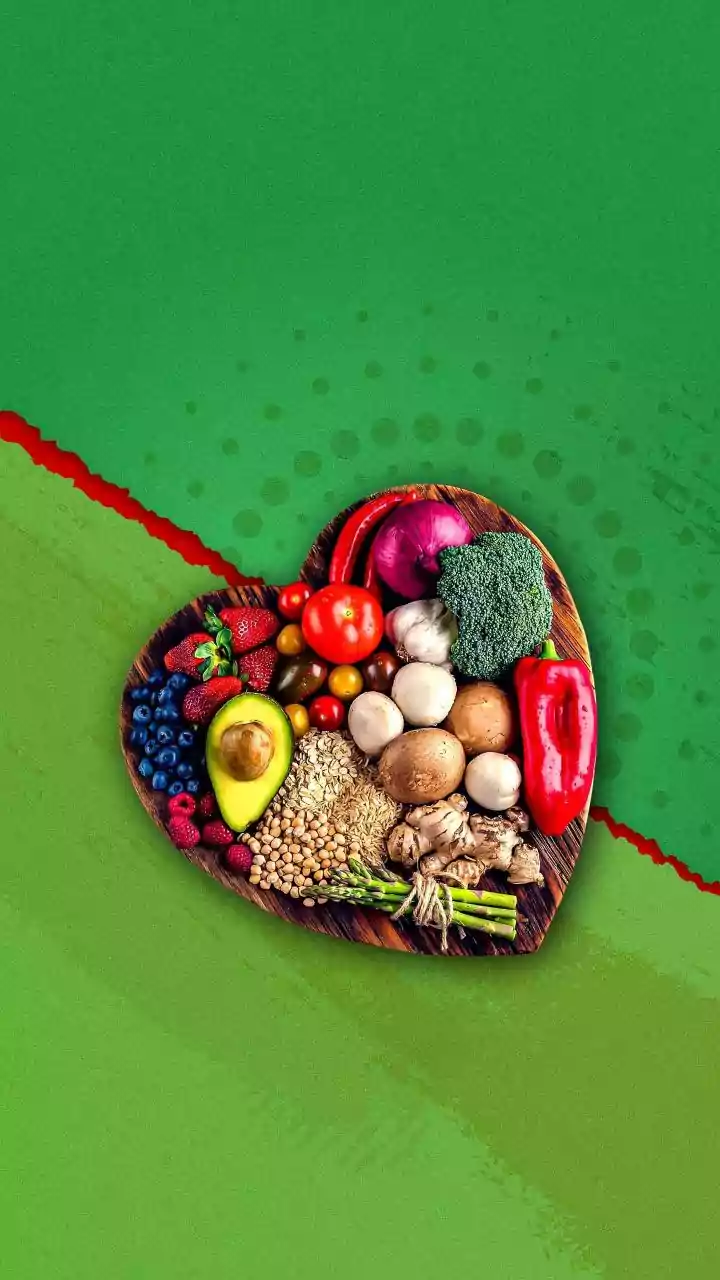
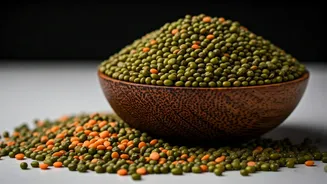
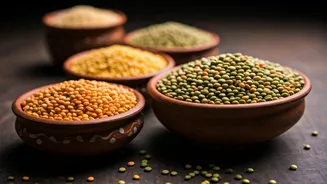
The narrative shouldn't be about protein versus gut health, but how they can work together. The issue isn't protein itself, but an over-reliance on it, especially from processed sources, at the expense of other crucial nutrients like fibre. A diet rich in diverse plant foods is essential for a healthy microbiome. Many traditional Indian foods are naturally excellent for this. Lentils (dals), legumes, millets, and fermented foods like idli and dosa provide both protein and fibre, nourishing our bodies and our gut bacteria simultaneously. The goal is not to eliminate protein but to source it wisely within a balanced, fibre-rich diet. Plant-based proteins from soy or peas have been shown to promote gut health by increasing beneficial bacteria like Lactobacillus and Bifidobacterium.