






What is Chrononutrition?
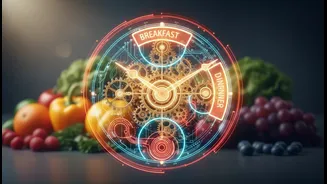
At its core, chrononutrition is the science of eating in sync with our body's natural 24-hour cycles, known as circadian rhythms. These internal clocks, which exist in nearly every cell, regulate everything from our sleep-wake cycle and hormone production
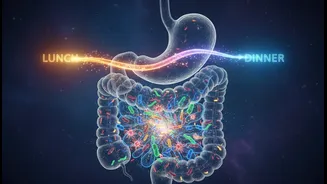
to digestion and metabolism. The central idea is that our body is primed to process nutrients more efficiently at certain times of the day. Eating in a way that respects these rhythms can theoretically optimize metabolic function, while eating at odd hours can disrupt them, potentially increasing the risk of health issues.
The Rationale Behind Timing
Why does timing matter so much? Think of your metabolism as an office that has peak working hours. Research suggests our bodies handle sugar and fat differently depending on the time of day. For example, insulin sensitivity—the ability of our cells to take up glucose from the blood—is generally higher in the morning and decreases as the day goes on. Eating a large, carbohydrate-heavy meal late at night, when the body is preparing for rest and insulin sensitivity is lower, could lead to higher blood sugar levels. This misalignment between our eating schedule and our internal clock is what chrononutrition seeks to correct.
Time-Restricted Eating Explored
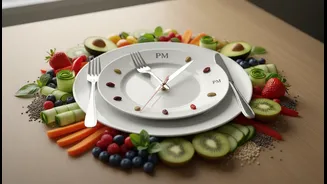
One of the most popular applications of chrononutrition is time-restricted eating (TRE), often confused with intermittent fasting. Instead of focusing on what to eat or how many calories to consume, TRE focuses on when. It involves consuming all of your daily meals within a specific, consistent window, typically ranging from 6 to 12 hours. A common approach is the 16:8 method, where you fast for 16 hours and eat within an 8-hour window, for example, from 10 a.m. to 6 p.m. The goal is to give the digestive system a prolonged break, which proponents believe can improve metabolic health.
What Does The Science Say?
The field of chrononutrition is still emerging, but early research is promising, especially around TRE. Several studies suggest that aligning meals with daylight hours and fasting overnight can have benefits. Some clinical trials have found that TRE can lead to modest weight loss and improvements in key markers of health, such as blood sugar control, cholesterol levels, and blood pressure, even without major changes in diet composition. A recent study found that just 12 weeks of TRE helped maintain weight loss a year later. However, researchers caution that many studies are small or short-term, and more large-scale human trials are needed to provide definitive recommendations.
Is It a Fit for Everyone?
While the concept is intriguing, chrononutrition is not a magic bullet, and a one-size-fits-all approach doesn't exist. An individual’s chronotype—whether you are a natural 'morning lark' or a 'night owl'—can influence what eating schedule works best. Furthermore, social and work schedules can make sticking to a strict eating window challenging. It's also important to note that some studies on TRE have raised concerns about the potential loss of lean muscle mass along with fat. People with certain health conditions, those who are pregnant, or individuals with a history of eating disorders should consult a healthcare professional before making significant changes to their eating schedule.