




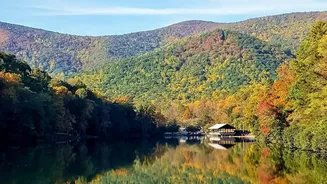
India's diverse landscape is dotted with mesmerising water bodies that offer more than just scenic beauty; they are worlds unto themselves. From crystal-clear rivers to high-altitude lakes, here are seven aquatic marvels to inspire your next escape.
Pangong Tso, Ladakh
Famous
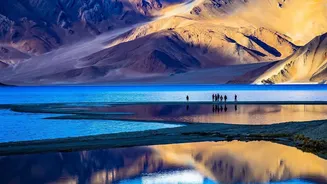
for its appearance in the film '3 Idiots', Pangong Tso is a high-altitude saltwater lake that stretches from India to Tibet. Located at about 14,270 feet, its most enchanting feature is its ability to change colours, shifting from azure blue to green and even red throughout the day. The journey from Leh to Pangong is an adventure in itself, crossing the formidable Chang La Pass. Despite its salinity, the lake freezes completely in winter, creating a starkly beautiful, icy landscape. The best time to visit is from May to September when the weather is pleasant and the roads are accessible. An Inner Line Permit is required for Indian nationals to visit this sensitive border area.
Dal Lake, Jammu and Kashmir
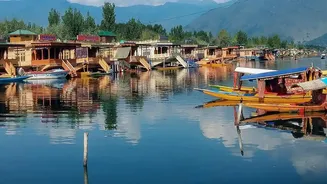
Often called the 'Jewel in the crown of Kashmir', Dal Lake is an urban lake that is the heart and soul of Srinagar. It is not just a body of water but a vibrant cultural hub, famous for its colourful 'shikaras' (wooden boats) and iconic houseboats where visitors can stay. The lake is surrounded by majestic Mughal gardens like Shalimar Bagh and Nishat Bagh. A unique feature is its floating markets, where vendors sell vegetables and flowers from their boats, a practice that has existed for centuries. The best time to experience the lake's full glory, including its floating lotus gardens, is between April and October.
Vembanad Lake, Kerala
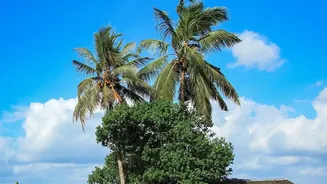
Vembanad is the longest lake in India and the largest in Kerala, forming the heart of the state's famous backwaters. It's an enchanting ecosystem of canals and lagoons, fringed with lush coconut groves and paddy fields. The best way to experience Vembanad is by hiring a 'kettuvallam' (traditional houseboat) for a day cruise or an overnight stay, offering an intimate glimpse into local life. The lake is a haven for birdwatchers, especially near the Kumarakom Bird Sanctuary. Every year during the Onam festival in August, the lake comes alive with the electrifying Nehru Trophy Snake Boat Race.
Umngot River, Meghalaya
Flowing through the small border town of Dawki, the Umngot River is renowned for being one of the cleanest rivers in India. Its water is so astonishingly clear that the riverbed is visible even at great depths, creating an illusion that boats are floating in mid-air. A boat ride on the Umngot is a surreal experience, gliding over a transparent, glass-like surface. The river, which also marks an unofficial boundary between India and Bangladesh, is surrounded by lush green hills, making it a paradise for photographers. The best time for optimal water clarity is during the dry months from October to April.
Loktak Lake, Manipur
Loktak Lake is the largest freshwater lake in Northeast India and is famous for its 'phumdis' – floating islands of vegetation, soil, and organic matter. These phumdis are so unique that they support entire ecosystems and even human settlements. The largest of these phumdis is home to the Keibul Lamjao National Park, the world's only floating national park. This park is the last natural habitat of the endangered Sangai deer, also known as the 'dancing deer'. Visitors can get a bird's eye view from Sendra Island or take a boat tour to navigate this extraordinary landscape.
Gurudongmar Lake, Sikkim
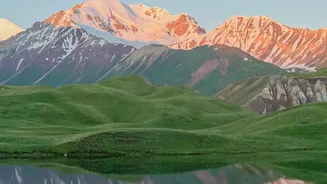
Situated at a breathtaking altitude of 17,800 feet in North Sikkim, Gurudongmar is one of the highest lakes in the world. This glacial lake, fed by the Himalayas, is revered as sacred by Buddhists, Hindus, and Sikhs. Surrounded by snow-capped peaks in an arid, cold desert landscape, its turquoise waters are a stunning sight. A portion of the lake is believed to never freeze completely, even in the harshest winters, a phenomenon attributed to divine blessings. The journey from Lachen is challenging and requires a permit for Indian tourists, but the otherworldly beauty makes it a truly rewarding pilgrimage. The best seasons to visit are spring (April–June) and autumn (October–November).
Chilika Lake, Odisha
Asia's largest brackish water lagoon, Chilika Lake is a massive、pear shaped body of water on India's east coast. It's a biodiversity hotspot and a Ramsar wetland of international importance. The lake is most famous as a wintering ground for millions of migratory birds that flock here from as far as Siberia and the Caspian Sea、making it a birdwatcher's paradise between November and February. Chilika is also home to a significant population of Irrawaddy dolphins,which can often be spotted near Satapada. Visitors can explore its numerous islands by boat,including the Kalijai Island with its revered temple.