

A Legacy of Luminous Skin
In the opulent courts of ancient and medieval India, beauty was not merely decorative; it was a reflection of inner health and balance. Queens and noblewomen practiced elaborate skincare rituals rooted in Ayurvedic wisdom. These were not quick fixes,
but holistic practices designed to purify, nourish, and protect the skin using the finest natural ingredients. Royal patronage meant that Ayurvedic practitioners had access to the most luxurious and effective botanicals, from hand-picked herbs to precious resins and spices. These traditions, passed down through generations, emphasised that true radiance, or 'saundarya', came from a harmonious blend of body, mind, and spirit.
Saffron: The Golden Glow Elixir
Known as 'kumkuma' in Sanskrit, saffron is one of the most precious spices in the world, and its value in royal beauty was immeasurable. Mughal empresses and Rajput queens alike were known to use saffron for its remarkable skin-enhancing properties. Rajput queen Rani Padmini was said to have bathed in milk infused with saffron to achieve a golden glow. Rich in antioxidants like crocin, saffron helps protect the skin from environmental damage, brighten the complexion, and reduce the appearance of blemishes and pigmentation. Often mixed with milk or ground into a paste with sandalwood, it was a staple for achieving luminous, even-toned skin fit for a queen.
Turmeric: The Auspicious Purifier
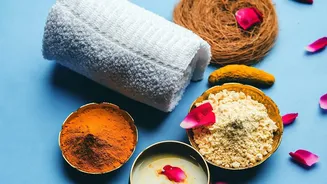
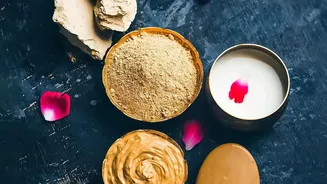
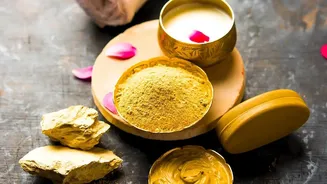
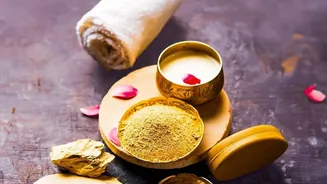
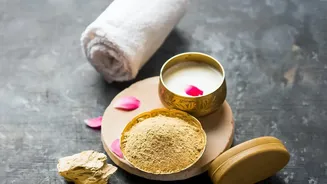
No discussion of Indian beauty is complete without turmeric, or 'haldi'. More than just a culinary spice, turmeric is a cornerstone of Ayurvedic wellness and ceremony. Its primary active compound, curcumin, is celebrated for its powerful anti-inflammatory, antibacterial, and antioxidant properties. This made it an essential ingredient for purifying the skin, preventing acne, and promoting a clear, radiant complexion. The pre-wedding 'haldi' ceremony, where a paste of turmeric, sandalwood, and rose water is applied to the bride and groom, is an ancient ritual designed to bless the couple and give them a celestial glow for their big day. Royal women would have incorporated this golden spice into daily face packs and body scrubs, or 'ubtans', to maintain flawless skin.
Sandalwood: The Cooling Soother
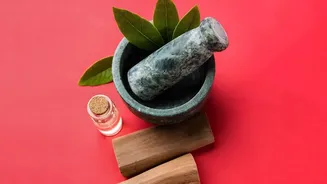
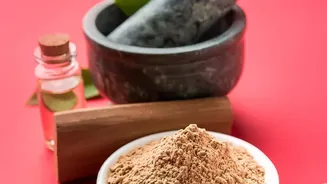
The calming, woody aroma of sandalwood, or 'chandan', has perfumed Indian palaces and temples for millennia. Beyond its divine fragrance, sandalwood is prized in Ayurveda for its cooling (shita virya) and soothing properties. For royal complexions often exposed to the region's heat, a paste of sandalwood was the ultimate remedy to calm inflammation, soothe sunburn, treat heat boils, and reduce redness. Its antiseptic qualities also helped in clarifying the skin and keeping it blemish-free. In 1792, the ruler of Mysore, Tipu Sultan, even declared sandalwood a 'Royal Tree,' controlling its trade and cementing its status as a prized commodity.
Amla & Neem: The Everyday Royal Essentials
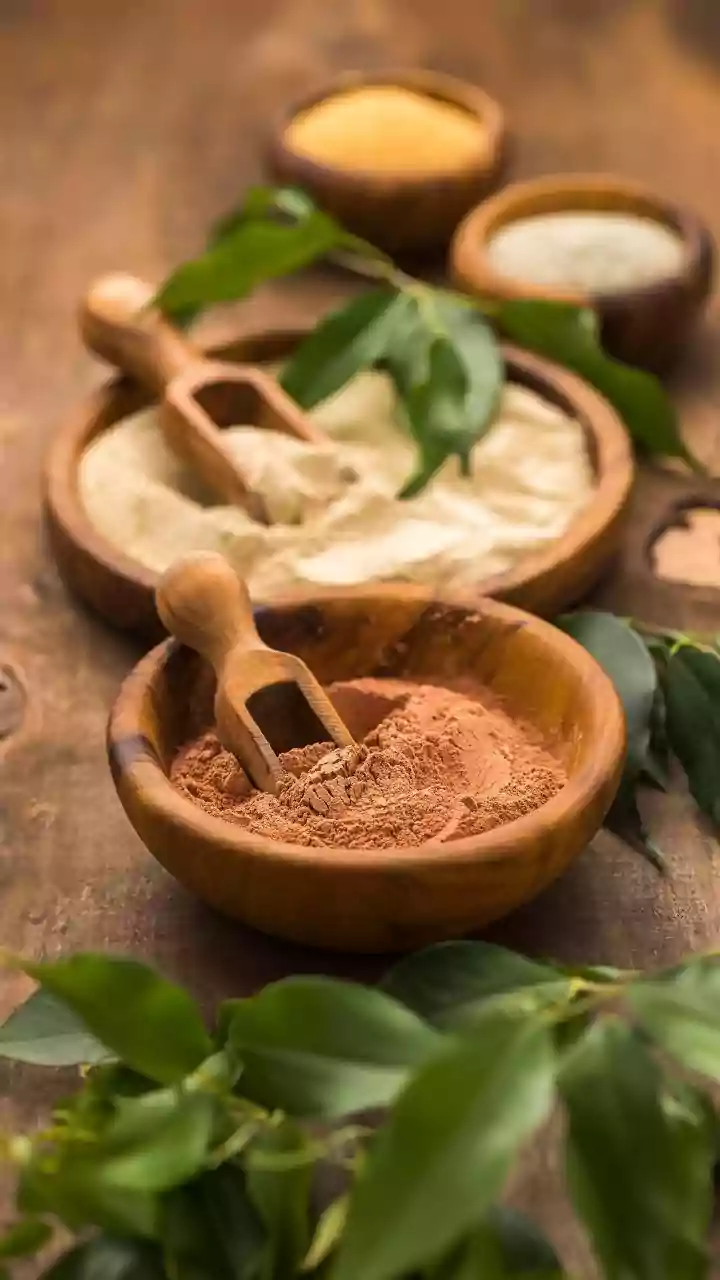
While saffron and sandalwood were symbols of luxury, other powerful botanicals were indispensable for daily maintenance of hair and skin. Amla, the Indian gooseberry, is an antioxidant powerhouse rich in Vitamin C, used for centuries to promote hair growth, prevent premature graying, and brighten skin. Neem, known for its potent antibacterial and antifungal properties, was the go-to remedy for purifying the skin, treating acne, and ensuring a healthy, dandruff-free scalp. These ingredients were staples in royal households for hair oils, cleansing pastes, and medicinal preparations, proving that foundational wellness was as important as opulent treatments.
From Ancient Ritual to Modern Routine
The enduring appeal of these royal traditions lies in their holistic philosophy and proven efficacy. Today, as consumers increasingly seek natural, transparent, and sustainable options, Ayurvedic ingredients are experiencing a global renaissance. The modern Indian beauty market is booming, with 'Modern Ayurveda' becoming a defining trend. Brands are now formulating products that combine these historic botanicals with modern skincare actives, like niacinamide and vitamin C, to create highly effective 'fusion' formulations. The ancient wisdom of the queens—that nature provides the most potent solutions for radiant beauty—is proving to be more relevant than ever.