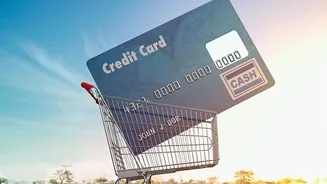







The Double-Edged Sword of BNPL
Buy Now, Pay Later has become a go-to payment option for millions in India, offering instant access to credit without the lengthy process of a traditional loan or credit card application. Services like Simpl, LazyPay, and others allow you to make a purchase
immediately and pay for it later, often in interest-free instalments. This frictionless experience is especially appealing to tech-savvy consumers and those who may not have a high credit score. The flip side is the psychological trap it sets. The ease of deferring payment can encourage impulsive buying and lead to overspending. A survey found that 60% of BNPL users admitted to spending more than they could actually afford, creating a cycle of debt.
Why Festive Sales Amplify the Risk
The Indian festive season, from Diwali to Christmas, is the country's biggest spending window. Retailers roll out massive discounts and promotions, creating a sense of urgency and a fear of missing out. BNPL providers often partner with them, making it even more tempting to splurge on gifts, electronics, and apparel. The problem is that multiple small BNPL purchases can quickly stack up. A ₹5,000 purchase split into four payments feels manageable, but several such transactions across different platforms can lead to a confusing web of due dates and a surprisingly large total debt that becomes a burden once the festivities are over.
Rule 1: Create a Pre-Sale Festive Budget
The most effective control is the one you set yourself, long before the sales begin. Instead of impulse buying, create a dedicated festive budget. List everything you genuinely need to buy and allocate a specific amount for it. One effective strategy is to start a festive fund months in advance, setting aside a small amount from your income from July or August onwards. This ensures you're spending from savings, not credit. The golden rule is simple: never spend more on festive purchases than what you have already saved. This single habit prevents your October celebrations from becoming a financial regret in November.
Rule 2: Track Your Spending Diligently
If you do use BNPL, treat it with the same caution as a credit card. One of the biggest dangers of BNPL is losing track of how much you owe across different apps. Make a list of all your BNPL accounts and their outstanding balances. Many platforms like LazyPay offer in-app dashboards to track spending and upcoming due dates. Set reminders on your phone for payment dates to avoid late fees, which can be exorbitantly high, sometimes reaching annualised rates of 30-40%. Remember, under recent RBI guidelines, missed BNPL payments are increasingly being reported to credit bureaus like CIBIL, which can damage your credit score and affect your ability to get loans in the future.
Rule 3: Automate and Prioritise Repayments
To avoid missing payments, set up auto-pay for your BNPL instalments wherever possible. This ensures dues are cleared on time from your bank account, protecting you from late fees and a negative impact on your credit score. If you find yourself with multiple debts, it's crucial to have a repayment strategy. A popular method is the 'debt avalanche', where you focus on clearing the debt with the highest interest rate first while making minimum payments on the others. Since many BNPL plans are interest-free if paid on time, prioritise paying off any balances that are about to start accruing interest or those with the steepest late-fee penalties.
Rule 4: Know When to Say No
The smartest financial decision is often the one you don't make. Before clicking 'buy', distinguish between a 'need' and a 'want'. If an item is a non-essential want, the best strategy is often to wait. Abandoning your online shopping cart for a day can give you the clarity to decide if you truly need the item. If a purchase doesn't fit within your pre-planned budget, consider using traditional payment methods like your debit card or UPI instead of stretching your finances with another BNPL loan. The ultimate goal is to control your money, not let the convenience of credit control you.