



Choose an Idol That Returns to Nature
The centrepiece of the festival is the idol, and this is where the biggest impact can be made. For years, Plaster of Paris (PoP) idols have been popular, but they are a significant environmental concern. PoP is non-biodegradable and contains harmful chemicals
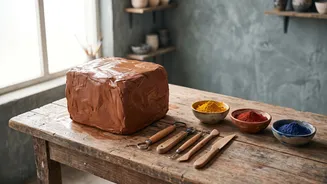
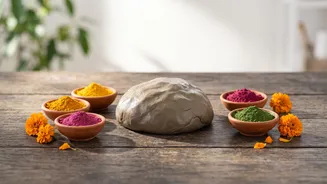
like lead and mercury from synthetic paints. When immersed, these idols don't dissolve easily, polluting rivers and seas and harming aquatic life. The alternative is returning to tradition with idols made from natural clay, or 'shadu mati'. These idols dissolve quickly and harmlessly in water. Many local artisans now offer beautiful clay idols. You can even find innovative options like 'seed Ganeshas', which contain plant seeds and can be 'immersed' in a pot of soil, sprouting into a plant that serves as a lasting blessing.
Decorate with Natural Beauty, Not Plastic
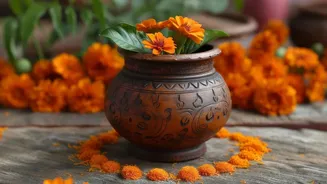
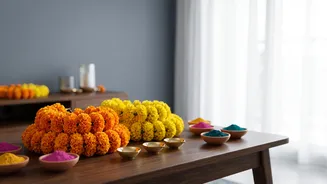
Ganpati decorations often involve thermocol and plastic, which are major pollutants that take hundreds of years to decompose. This year, embrace the beauty of nature for your pandal or home mandap. Instead of plastic garlands and synthetic flowers, use fresh, fragrant blooms like marigolds, hibiscus, and roses. You can string them into garlands or create a floral rangoli. Old sarees and colourful dupattas can be repurposed into stunning backdrops and drapes, adding a personal and traditional touch. For lighting, opt for traditional clay diyas or energy-saving LED lights over conventional bulbs to conserve electricity. Banana leaves, mango leaves, jute, and bamboo can also be used to create an earthy, beautiful, and completely biodegradable setting for Bappa.
Serve Prasad Sustainably
Festivals mean feasting and sharing prasad with loved ones. This often leads to a pile of single-use plastic plates, cups, and spoons. To avoid this, consider alternatives for serving food. For smaller family gatherings, using your regular steel or ceramic plates is the best zero-waste option. When hosting larger groups, you can opt for biodegradable tableware made from materials like areca palm leaf or sugarcane bagasse. These are sturdy, can handle hot and oily food, and are compostable, returning to the earth without causing harm. When distributing prasad like laddoos or modaks, avoid plastic bags and instead use reusable cloth bags or small paper boxes. It's a small change that significantly cuts down on plastic waste generated during community feasts.
Rethink the Visarjan Ceremony
The final day's visarjan, or immersion, is a poignant farewell. However, mass immersions in natural water bodies contribute to pollution, especially with PoP idols. An eco-friendly alternative is a symbolic immersion at home. For clay idols, this can be done in a bucket or a small tub of water. The dissolved clay and water can then be used to water your plants, completing a beautiful natural cycle. Many local municipal bodies also set up artificial immersion tanks, which are a great option to prevent the pollution of lakes and rivers while still participating in the community ritual. This mindful approach to visarjan maintains the spiritual significance of the act while protecting our precious water resources.
Embrace Mindful Gifting and Offerings
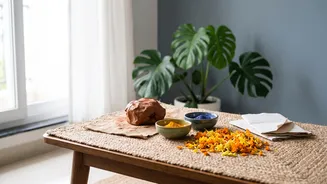
The spirit of Ganesh Chaturthi is about devotion and connection, not extravagance. When offering flowers and other organic materials for daily puja, set up a small compost pit in your garden or a community composting bin. This turns holy offerings into valuable fertilizer instead of letting them end up in a landfill. If you are exchanging gifts with family and friends, consider sustainable options. Instead of plastic-wrapped items, gift a small plant, a jute bag, herbal incense, or homemade sweets packed in a reusable container. These thoughtful presents carry more meaning and align with the festival's spirit of honouring new beginnings and respecting the natural world.