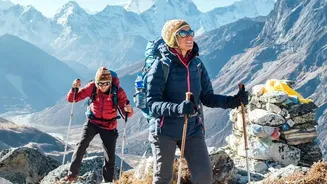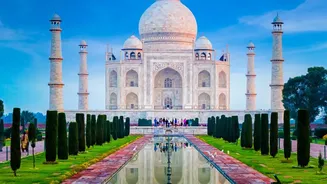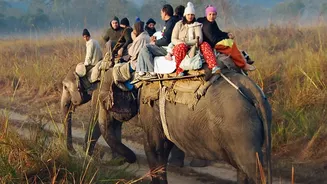





The era of collecting landmark photos seems to be fading. A growing wave of Indian travellers is now bypassing the predictable city tour, seeking something more meaningful: a story to tell, a skill to learn, or a genuine connection to a place.
The Search for Authenticity
For many,
the standard European or Southeast Asian group tour, with its whirlwind schedule of monuments and photo-ops, has lost its charm. The modern Indian traveller is increasingly driven by a desire for authenticity. This isn't just about seeing a place; it's about experiencing its culture, traditions, and way of life firsthand. Instead of just visiting famous landmarks, they want to understand how people live, eat local food, and participate in community festivals. This shift is moving people away from crowded hubs toward offbeat destinations like Georgia, Uzbekistan, and Armenia, which offer unique cultural landscapes without the usual tourist crowds. The appeal lies in the feeling of discovery and genuine engagement, something a packaged tour rarely provides.
From Sightseeing to Storytelling
Today’s holiday is less about the photographs and more about the story you return with. This has fuelled the rise of experiential travel, where the activity itself becomes the destination. Travellers are choosing holidays based on what they want to do, not just where they want to go. This could mean joining a culinary trail in Italy, a wildlife safari in Kenya, a meditation retreat in Ladakh, or learning about local crafts from artisans in a village. The focus is on immersion and participation. A trip to Varanasi, for instance, is no longer just about seeing the ghats; it's about understanding its spiritual philosophy or exploring its unique musical traditions.
The Influence of the Digital World
Social media platforms, particularly Instagram and YouTube, have become powerful tools for travel inspiration. However, their influence is complex. While they can create a 'fear of missing out' (FOMO), they also expose travellers to a world of possibilities beyond the conventional. According to one recent survey, 72% of Indians discover offbeat destinations through short-form video content like Instagram Reels. Travel influencers play a significant role, with 50% of Indian travellers stating that their content has a major impact on their choices. This digital exposure promotes less-travelled places and unique experiences, encouraging people to build their own unique itineraries rather than follow a pre-set path.
A New Definition of Luxury and Wellness
The definition of a premium holiday is also evolving. For affluent travellers, luxury is no longer just about five-star hotels; it's about exclusivity, privacy, and personalization. This translates to custom-designed journeys built around specific interests, whether it's a private tiger safari, an expedition cruise, or access to a major sporting event like a Grand Slam. Alongside this, there is a powerful move towards wellness tourism. An increasing number of Indians are planning trips specifically to improve their well-being, seeking out yoga retreats, digital detoxes, and nature-based stays that allow them to disconnect and rejuvenate. The goal is to return from a holiday healthier and more rested than when they left.
The Rise of the Independent Traveller
The shift toward experiential travel is being led by a younger, more independent generation of travellers. Gen Z and millennials are more likely to make their own travel decisions and value experiences over simply saving money. This demographic is driving the growth in adventure tourism, with the market in India projected to grow at a compound annual growth rate of over 17% between 2026 and 2034. This generation is also more open to travelling with groups of strangers who share a common interest, such as trekking, photography, or food, turning travel into a communal experience built on shared passions.