






Checking Forecasts Is Non-Negotiable
Before you even step out, the first rule of monsoon travel is to check for the latest weather updates. The India Meteorological Department (IMD) has issued alerts for heavy rainfall in various parts of the country, including the Northeast, East, and parts of Central
and Peninsular India. For the week of August 2 to August 8, an active monsoon phase is expected, bringing widespread rain that could lead to waterlogging and traffic disruptions. While some long-range forecasts predict a 'below normal' August overall, short-term, intense spells are the immediate concern for commuters. Use reliable weather apps and follow local news advisories to get real-time information on rainfall intensity and potential flooding in your area. Planning your departure time around these forecasts can make the difference between a smooth journey and being stranded.
Rethink Your Daily Commute Strategy
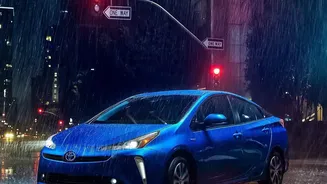
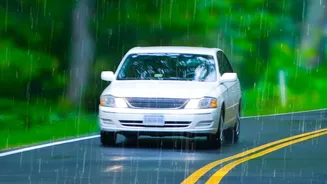
Heavy rain can bring road traffic to a standstill and overwhelm public transport. This is where strategic planning comes into play. Elevated metro systems are often the most reliable option during downpours as they are less affected by street-level flooding. If you rely on buses or auto-rickshaws, try to use live tracking apps to monitor delays and avoid routes known for waterlogging. The headline's mention of "covered pick-ups" points to a crucial tactic: pre-booking cabs or coordinating with carpools that offer drop-offs and pick-ups at sheltered locations. Many corporate transport services now identify and map critical flood points to create alternative routes, ensuring employees are not left waiting in the rain. If you must drive, ensure your vehicle's tyres, brakes, and wipers are in excellent condition. Maintain a slower speed and a safe distance from the vehicle ahead.
Pack a Monsoon Survival Kit
A well-prepared bag can be a lifesaver during a rain-affected commute. Your monsoon kit should be practical and lightweight. Start with the basics: a sturdy umbrella and a lightweight, quick-drying raincoat. Footwear is critical; choose sandals or boots with a strong grip to navigate slippery surfaces safely. Protecting your electronics is paramount, so invest in a waterproof backpack or use zip-lock pouches for your phone, laptop, and chargers. A fully charged power bank is another essential, as travel delays can be long and unpredictable. It’s also wise to carry a small towel, an extra pair of socks, and a change of clothes if you have a long day ahead. Finally, keep some cash handy, as power outages can sometimes disrupt digital payment systems.
Planning for Outstation and Weekend Trips
The monsoon transforms India’s landscapes, making it a beautiful time for a getaway, but it requires careful planning. Choose your destination wisely; while hill stations like Lonavala or parts of Rajasthan that receive less rain can be great options, areas prone to landslides, such as the Himalayan foothills, should be avoided during heavy downpours. Before booking, check the road conditions and whether the destination is known for safe connectivity. Build flexibility into your itinerary. Delays are common, so avoid tight schedules and have backup indoor activities planned, like visiting a local museum or cafe. For travel by train or flight, confirm schedules frequently, as services can be delayed or cancelled. If you're undertaking a road trip, start your journey during daylight hours for better visibility and pack an emergency kit with a first-aid box, dry snacks, and drinking water.
Prioritizing Health and Safety Above All
Navigating waterlogged streets comes with health and safety risks. Avoid walking through flooded areas whenever possible, as open manholes and potholes may be hidden beneath the water. There is also a risk of waterborne diseases, so it’s important to maintain hygiene. Always drink bottled or filtered water and eat at clean, hygienic establishments. Be cautious of electrical poles and transformers, as they can pose a significant hazard during and after heavy rain. The monsoon also brings an increase in mosquitoes, so using a good insect repellent is advisable to protect against illnesses like dengue and malaria. Ultimately, the key is to stay alert and not take unnecessary risks. If the weather seems too severe, it's always safer to postpone your travel plans.