




Why is Jaipur the 'Pink City' or Kolkata the 'London of India'? City nicknames are more than catchy phrases; they are stories told through stone, steel, and history, shaping how we perceive a place long before our arrival.
The 'City of Palaces' and Its British Twin
Kolkata, once the capital of
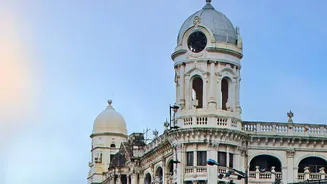
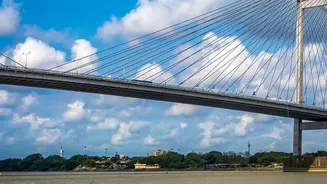
British India until 1911, carries a rich and complex history within its grand avenues and stately buildings. Its moniker, 'London of India', stems directly from this colonial past, when the city, then known as Calcutta, was developed as the second city of the British Empire. The urban layout and architectural grandeur were intentionally designed to mirror European capitals, particularly London. This wasn't just about aesthetics; it was a statement of power and influence, embedding a piece of Britain into the heart of Bengal. The Hooghly River, which snakes through the city, furthered the comparison, acting as a vital trade artery much like the Thames in London.
A Walk Through Colonial Grandeur
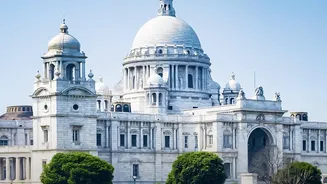
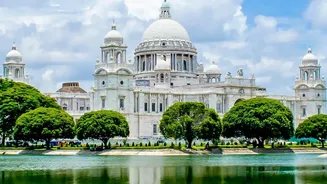
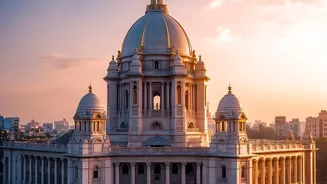
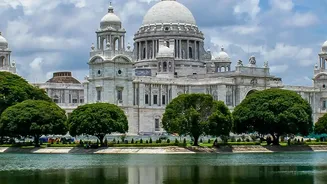
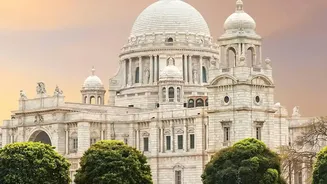
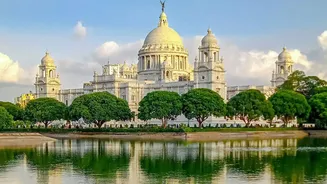
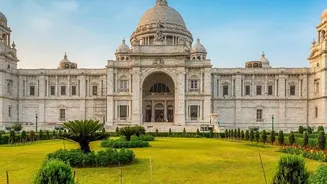
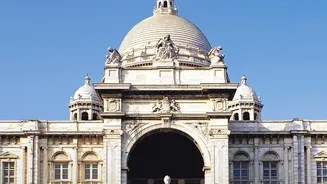
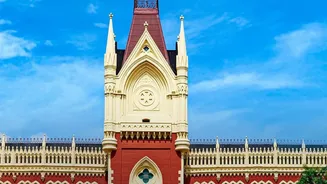
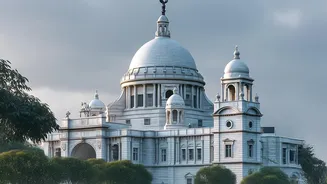
The nickname isn't just a vague comparison; it’s rooted in tangible structures that still dominate Kolkata’s skyline. The Victoria Memorial, a magnificent white marble monument dedicated to Queen Victoria, is a prime example of Indo-Saracenic architecture, blending British and Mughal styles. Then there's St. Paul's Cathedral, a stunning example of Gothic Revival architecture, and the Writers' Building, a neoclassical giant that once housed the clerks of the East India Company. Architects like Walter Granville left their mark with neoclassical masterpieces such as the High Court and the General Post Office, with its towering Corinthian columns and majestic dome. These buildings were not just functional; they were designed to project imperial majesty and create an urban landscape that felt familiar and looked powerful to its colonial rulers.
A Global Pattern of Architectural Comparisons
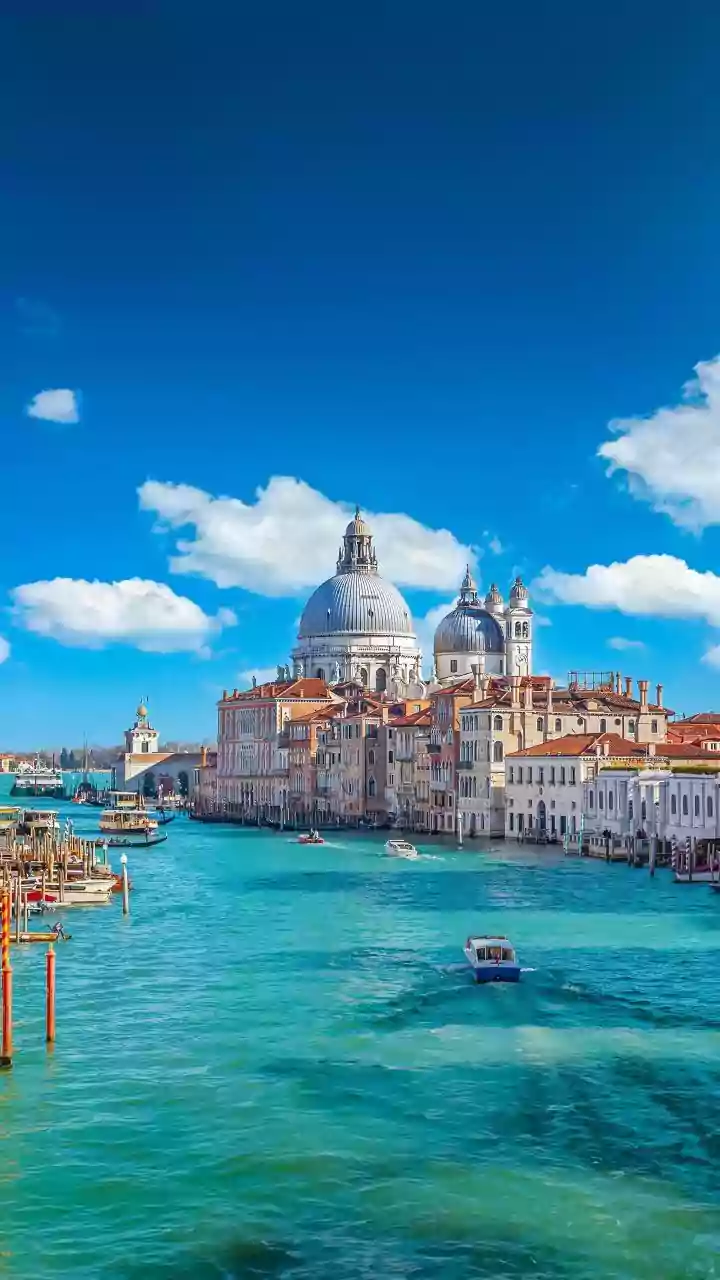
Kolkata is hardly alone in this phenomenon. Around the world, cities are given nicknames that tether them to other, often more famous, metropolises. Beirut and Bucharest have both been called the 'Paris of the East', while Amsterdam and Stockholm are each a 'Venice of the North'. These labels act as a kind of marketing shorthand, instantly creating an image in a potential tourist's mind. They promise a certain kind of experience—romance, history, or beauty—by association. Jaipur's 'Pink City' moniker is another powerful example. In 1876, Maharaja Sawai Ram Singh II ordered the city painted a terracotta pink, a colour of hospitality, to welcome the Prince of Wales. The name stuck, and a law was later passed to maintain the colour scheme, cementing an architectural identity that is now globally recognized.
A Complicated Legacy: Branding vs. Identity
While these architectural nicknames can be a powerful tool for tourism, they also carry a complicated legacy. For cities like Kolkata, the 'London of India' label is a constant reminder of its colonial past. Such comparisons can risk oversimplifying a city's unique identity, reducing its rich, multi-layered culture to a single, often foreign, reference point. A city brand built for visitors may not always reflect the lived reality of its residents. The challenge for modern Kolkata, and cities like it, is to embrace the architectural heritage that draws visitors while forging a post-colonial identity that is entirely its own. The grandeur of the colonial-era buildings is undeniable, but it's the vibrant street life, the rich intellectual history, and the unique cultural fabric that truly define the 'City of Joy' today.