


The Modern Muse: Veggie Kebab Platters
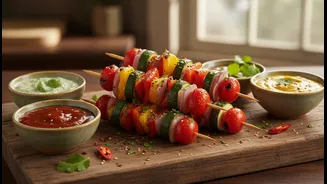
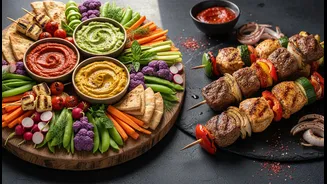
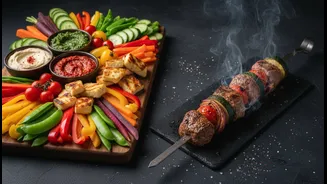
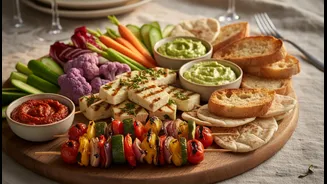
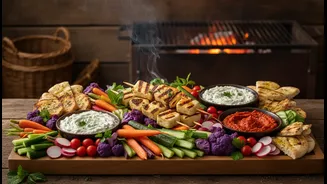
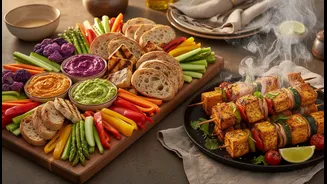
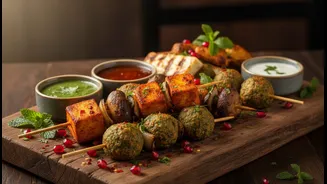
The concept of a kebab platter has evolved. Today, it’s not just about meat; it’s a colourful mosaic of textures and flavours that caters to everyone. Vegetarian kebabs, once a niche offering, are now the stars of the show. Think of classics like Hara
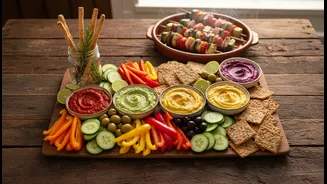
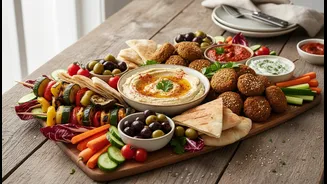
Bhara Kebab, made with spinach and peas, or the creamy, tangy Dahi ke Kebab, which offers a melt-in-the-mouth experience without any meat. These are often joined by Paneer Tikka, vegetable seekh kebabs made from a medley of minced vegetables, and even inventive options like those made from corn (Bhutteyan da Kebab) or jackfruit (Kathal ke Kebab). Arranged on a board with dips and chutneys, they represent a modern, inclusive approach to a beloved culinary tradition, proving that the essence of a great kebab lies in its flavour and texture, not just its primary ingredient.
The Soul of Smoke: Unlocking Flavour
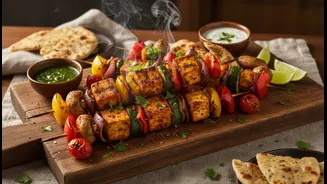
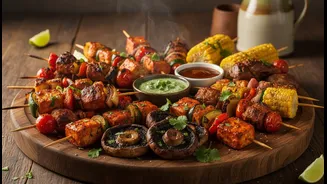
What truly defines many of India’s most legendary kebabs is an elusive, aromatic smokiness. This flavour isn’t just from grilling; it’s an art form. Traditionally, the robust, smoky character comes from cooking in a tandoor, the clay oven that imparts a signature char and depth. But for dishes not cooked in a tandoor, chefs use a brilliant technique called 'Dhungar'. This ancient method involves placing the cooked dish in a pot, adding a small bowl with a piece of red-hot natural charcoal, and then drizzling ghee or oil over the coal. The pot is immediately covered, trapping the aromatic smoke, which then infuses into the food. This technique is the secret behind the authentic smoky taste in everything from kebabs and dals to rich gravies, allowing cooks to replicate a tandoor’s magic in any kitchen.
Legends of Lucknow: A Tale of Two Kebabs
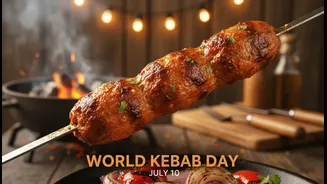
Nowhere is the art of the kebab more revered than in Lucknow, the heartland of Awadhi cuisine. This is the birthplace of kebabs so refined they require no chewing. The Galouti Kebab, for instance, was famously created for an ageing, toothless Nawab who still craved his favourite dish. Its name means “melt-in-your-mouth,” and it’s made from finely minced meat tenderised with raw papaya and a secret blend of over a hundred spices. Equally legendary is the Kakori Kebab. Its origin story involves a British officer who complained about the coarse texture of a seekh kebab. An insulted Nawab challenged his chefs to create the world’s softest version. The result was a kebab so fine and flavourful it dissolves on the tongue, a testament to culinary pride and innovation.
Beyond Paneer: A Rich Vegetarian Heritage
While modern vegetarian platters are a delight, the tradition of plant-based kebabs is far from new. It’s deeply rooted in the same culinary philosophy of texture and spice. The classic Shami Kebab, traditionally made with minced meat and lentils, has long had a popular vegetarian counterpart using black chickpeas (kala chana) or Bengal gram (chana dal). These veg Shami Kebabs are crispy, succulent, and packed with flavour. Similarly, recipes for kebabs made from raw banana, lotus stem (Bhein ke Kebab), and yam have been part of regional cuisines for ages. These dishes show that the ingenuity of Indian kebab-making has always extended beyond meat, using local produce to create preparations that are just as complex and satisfying. The modern vegetarian snack board isn't an invention, but rather a joyful rediscovery of this rich, plant-forward heritage.