





More Than Just Looking at Stars
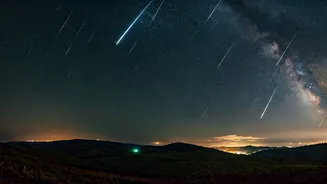
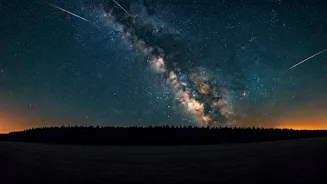
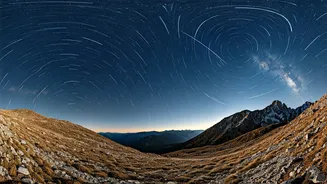
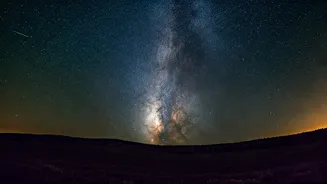
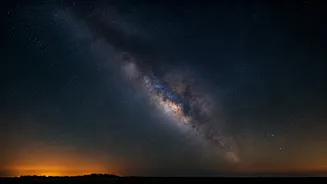
So, what exactly is dark-sky viewing? It’s the practice of travelling to locations with minimal light pollution to experience the night sky in its full, unobscured glory. Unlike casual stargazing from a city balcony, this is an immersive experience. In
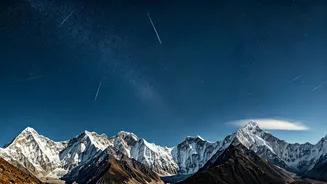
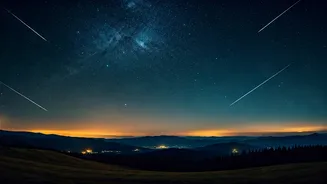
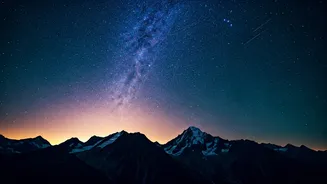
a designated dark-sky area, the Milky Way isn't a faint smudge but a brilliant, textured river of light, and constellations pop with startling clarity. This growing movement is a direct response to the ever-increasing glow of our cities. Artificial light, while essential, has created a form of pollution that erases the stars, disrupts ecosystems, and can even affect human health by interfering with our natural sleep cycles. Dark-sky tourism seeks out the last remaining pockets of true darkness, turning the night sky into a destination itself.
The Allure of the Analog Sky
The surging popularity of astrotourism isn't just about pretty views; it taps into a deeper cultural need. In an age of digital overload and constant connectivity, the vast, silent expense of the cosmos offers a profound sense of perspective and peace. It is the ultimate analog experience in a digital world. The trend was accelerated during the pandemic, when lockdowns prompted many to find solace and a sense of limitless space by looking up from their own backyards. Now, it has evolved into a full-blown wellness movement, with travellers actively seeking out 'starbathing' experiences as an antidote to modern anxiety. It's a chance to disconnect from the screen's glow and reconnect with something ancient and immense.
India's Celestial Sanctuaries
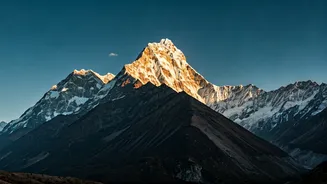
India, with its diverse and remote landscapes, is perfectly positioned to become a global hub for dark-sky tourism. The crown jewel is the Hanle Dark Sky Reserve in Ladakh, the country's first officially designated sanctuary for the stars. Located within the Changthang Wildlife Sanctuary at a breathtaking altitude of 4,500 metres, Hanle offers some of the clearest, darkest skies in the world. But Ladakh isn't the only option. The high-altitude deserts of Spiti Valley in Himachal Pradesh provide similarly spectacular conditions, with villages like Kaza and Kibber serving as popular bases for stargazers. Other promising locations include the vast white plains of the Rann of Kutch in Gujarat, the coffee plantations of Coorg, parts of the Himalayas, and even remote islands in the Andamans.
Your Guide to Getting Started
Ready to join the movement? You don't need to be an astronomer. Start simple. The most important step is to get away from city lights. Even a short drive to a rural area can make a huge difference. Give your eyes about 20-30 minutes to adjust to the darkness; avoid looking at your phone during this time, as its bright screen will ruin your night vision. A pair of basic binoculars can dramatically enhance the view, revealing details of the moon's craters or the moons of Jupiter. Numerous stargazing apps like Stellarium or SkyView can help you identify constellations and planets by simply pointing your phone at the sky. Remember to dress warmly, as even summer nights can get chilly, and consider bringing a blanket to lie on for comfortable viewing.
A Movement for Darkness
Dark-sky tourism is more than just a travel trend; it’s a conservation movement. By visiting these areas and supporting local economies, tourists create a powerful incentive for communities to protect their nocturnal environment. The effort to reduce light pollution has tangible benefits, including energy conservation, cost savings, and the protection of nocturnal wildlife whose behaviours are disrupted by artificial light. Initiatives like the Hanle Dark Sky Reserve involve training local guides—many of them women—and providing equipment to villagers to manage light spill, ensuring that tourism provides sustainable development. Choosing to seek out dark skies contributes to a global effort to preserve one of humanity’s oldest and most universal inheritances: the wonder of a star-filled night.