






The Myth of Good vs. Evil Foods
Our social media feeds and wellness blogs are filled with moral judgments about food. One day, a traditional fat is villainized; the next, a foreign superfood is hailed as a saviour. This global trend of labelling food as 'good' or 'bad' creates anxiety
and guilt around eating, a practice that should be about nourishment and pleasure. Experts in nutrition argue this binary thinking is fundamentally flawed because it ignores context, dosage, and individual needs. No single food is inherently virtuous or evil. This simplistic labelling causes us to obsess over what we eat, often leading to restrictive patterns that are unsustainable and mentally taxing.
What 'India's Changing Food Basket' Really Means
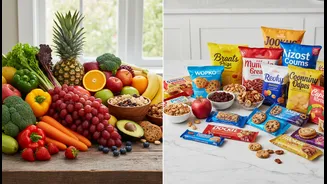
India is undergoing a massive 'nutrition transition'. As incomes rise and cities expand, our diets are shifting. Studies show a move away from staple grains and towards higher consumption of fats, oils, sugar, and processed foods. This isn't just about a sudden love for junk food. It's driven by deep socio-economic changes: urbanization, longer work days, rising household incomes, and the increased availability of convenience foods. At the same time, this transition is creating a strange paradox known as the 'double burden of malnutrition', where issues of undernutrition like stunting exist alongside rising rates of obesity and diabetes, sometimes even in the same community.
Why a Single Story Fails India
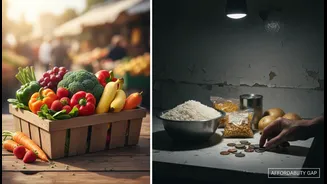
This is where the 'good-or-bad' narrative becomes a critical limitation. Judging a food choice without understanding the 'why' behind it is pointless. A packaged snack might be a 'bad' choice in a vacuum, but for a working mother with a long commute and limited time, it might be the only practical option available. Furthermore, India is not a monolith. A food that is a cultural staple in one region cannot be sweepingly labelled 'unhealthy' based on a universal metric that ignores local context. The obsession with single nutrients or ingredients overlooks the complexity of our traditional diets and the diverse roles food plays in our society—from cultural celebrations to family bonding. A food’s value isn't just in its nutritional panel; it's in its history, its role in community, and its accessibility.
Beyond Calories and Moral Judgement
The health consequences of India’s dietary shift, including an alarming rise in diabetes and heart disease, are serious and demand attention. However, shaming people for their choices is not the solution. Public health discourse that relies on moralistic labels often backfires, creating defensiveness and disengagement. It also ignores the systemic drivers. For example, government policies that have historically prioritized calorie production from grains over nutritional diversity have played a role in shaping the modern Indian plate. Blaming an individual for consuming processed food without acknowledging the multi-crore advertising budgets promoting it is missing the bigger picture. True progress comes from addressing the environment that shapes these choices—improving access to affordable, nutritious food and providing education without judgment.
Towards a More Thoughtful Conversation
So, how should we approach our changing diets? The answer lies in moving away from simplistic labels and embracing nuance. Instead of asking if a food is 'good' or 'bad', we should ask better questions. Is my overall diet balanced? Am I eating a variety of foods? How does this meal make my body feel? It’s about focusing on patterns, not single foods or meals. We need to cultivate a food culture based on understanding and balance rather than fear and restriction. This involves appreciating our traditional food wisdom while navigating the realities of modern life. The goal shouldn't be to find the 'perfect' diet, but to build a sustainable, joyful, and healthy relationship with the food on our plate.