
The Pre-Drive Ritual: Your First Line of Defence
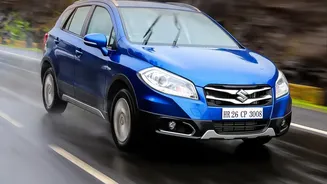
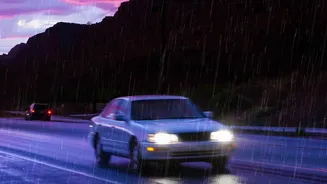
Before you even think about turning the key, a thorough vehicle check is non-negotiable. The challenges of a nighttime monsoon drive are significantly multiplied, and preparation is your best tool for safety. Start with the basics: ensure all your lights
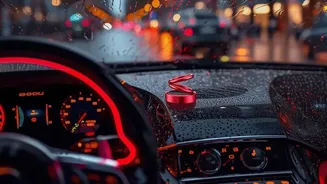
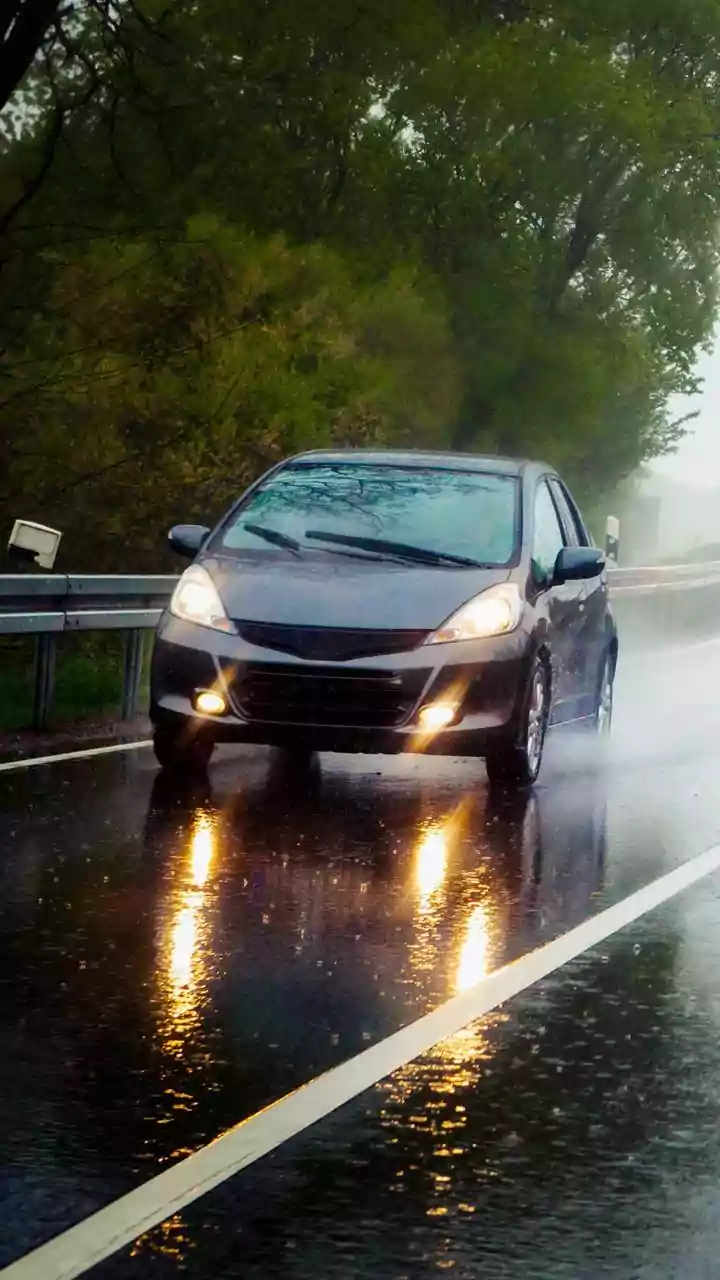
are working perfectly. This includes headlights, taillights, brake lights, and turn signals. Clean headlights offer better illumination, and ensuring they are correctly aligned prevents blinding oncoming traffic. It’s advisable to use low beams during heavy rain, as high beams can reflect off raindrops and worsen visibility for you and other drivers. Next, check your windshield wipers. Worn-out blades will only smear water across the glass, dangerously obscuring your vision. If they leave streaks, it's time for a replacement. Also, top up your windshield washer fluid. Finally, make sure your defogger and air conditioning are in working order to combat interior fogging, a common issue in the humid monsoon air.
Tire Health: Your Grip on Reality
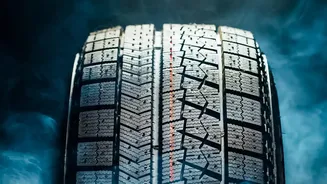
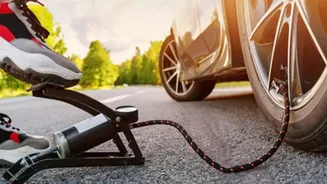
Your tires are the single most critical safety component when driving in the rain. They are the only part of your vehicle in contact with the road, and their condition determines your ability to brake and steer effectively on slick surfaces. The most important factor is tread depth. The grooves on your tires are designed to channel water away, preventing a dangerous situation called hydroplaning. A minimum tread depth of 1.6 mm is recommended for safe driving in wet conditions. You can check this using the tread wear indicator bars located inside the grooves; if the tread is flush with the indicator, your tires need immediate replacement. Tire pressure is equally vital. Both overinflated and underinflated tires reduce the contact patch with the road, compromising grip. Always maintain the manufacturer's recommended tire pressure, checking it when the tires are cold for an accurate reading. Lastly, get your wheels aligned. Misalignment causes uneven tire wear, which can severely reduce traction on wet roads.
On the Road: Navigating the Dangers
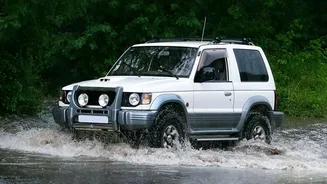
Once you're driving, your technique needs to adapt to the conditions. The golden rule is to reduce your speed. Wet roads significantly increase braking distances, so slowing down gives you more time to react. Maintain at least double the usual following distance from the vehicle ahead. This buffer is crucial for avoiding collisions if the car in front brakes suddenly. Be vigilant for hidden dangers like potholes, which are often filled with water and can cause serious damage to your tires and suspension. If you must drive through a waterlogged area, shift to a lower gear and maintain a steady, gentle acceleration to prevent water from entering the exhaust. Avoid sudden braking or sharp turns, as these manoeuvres can easily lead to a skid. If you feel the car starting to hydroplane—a sensation of floating or losing steering control—do not slam the brakes. Instead, ease off the accelerator and steer straight until you feel the tires regain contact with the road.
Smart Route Planning and When to Stop
Technology can be a great ally, but it requires smart use. Before you leave, check weather forecasts and traffic updates from local authorities. If severe weather is predicted, the safest decision is always to postpone your trip. When planning your route, try to stick to major roads and highways, which are generally better maintained and have better drainage. Avoid low-lying areas, underpasses, and roads known for waterlogging. While driving, don't blindly follow your navigation app; use your judgment. An app might not be aware of a freshly flooded street. If you encounter a flooded road, never attempt to drive through it. Just a few inches of moving water can sweep a car away. The rule is simple: Turn Around, Don't Drown. If conditions become too severe, with visibility dropping to near zero, find a safe place to pull over completely off the road, turn off your lights, and wait for the storm to pass.
Building Your Monsoon Emergency Kit
Even with the best preparation, things can go wrong. Having an emergency kit in your car can be a lifesaver. Your kit should contain a powerful flashlight with extra batteries, a first-aid kit, and high-visibility reflective triangles to warn other drivers if you break down. Also include jumper cables, a basic toolkit, and a tow rope. Given the potential for long traffic jams during monsoons, it's wise to keep drinking water, non-perishable snacks, and a power bank for your phone. A towel and an umbrella are also practical additions. Ensure your spare tire is properly inflated and you have the necessary tools to change it. Inform a family member or friend of your route and estimated arrival time, especially when embarking on a long overnight journey.