





Why Fibre Is Your Post-Festival Friend
Think of dietary fibre as your digestive system's reset button. It's the part of plant-based foods that your body can't digest, and it plays a vital role in your gut health. There are two main types: soluble fibre, which dissolves in water to form a gel-like
substance, helping to control blood sugar and lower cholesterol, and insoluble fibre, which adds bulk to stool, aiding regular bowel movements and preventing constipation. After a period of eating heavier, processed, and sugary foods, fibre helps to gently cleanse your system, feed the good bacteria in your gut, and leave you feeling fuller for longer, curbing the urge to reach for leftover festive treats.
Start Slow to Avoid Discomfort
Jumping from festive indulgence straight into a very high-fibre diet can be a shock to your system, often leading to uncomfortable gas and bloating. Your gut needs time to adjust. The key is to gradually reintroduce fibre-rich foods over several days. For instance, start by swapping white bread for one serving of whole-grain bread, or white rice for brown rice at one meal. Increasing your fibre intake by no more than five grams per day is a sensible approach until you reach the recommended daily amount, which for most adults is between 25 and 40 grams. This slow and steady approach allows your digestive system to adapt without protest.
Breakfasts to Begin Your Day Right
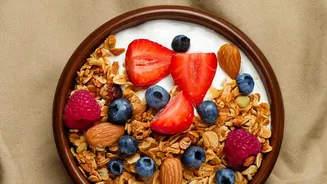
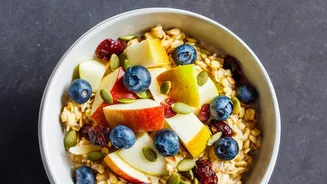
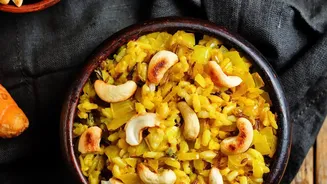
Your first meal is a great opportunity to get a gentle fibre boost. Instead of reaching for something heavy, consider a simple bowl of oatmeal or dalia (cracked wheat porridge). Oats are a fantastic source of soluble fibre. You can top them with fruits like berries or chopped apple for extra fibre and flavour. Another excellent Indian breakfast option is ragi (finger millet) porridge. For those who prefer a savoury start, a small bowl of sprouts or a simple moong dal cheela provides both fibre and protein to keep you energised until lunch.
Rethink Your Lunch and Dinner Plate
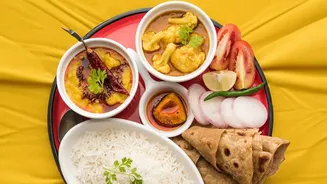
For your main meals, focus on 'whole' foods. Make simple swaps like using whole wheat rotis instead of those made from refined flour. Incorporate a variety of lentils and legumes, such as rajma (kidney beans) and chana (chickpeas), which are powerhouses of fibre. Aim to fill at least half of your plate with colourful vegetables. Seasonal vegetables like spinach (palak), fenugreek (methi), and okra (bhindi) are not only delicious but also packed with fibre and essential nutrients. These additions support digestion and help restore balance after rich festive meals.
The Importance of Hydration
Increasing your fibre intake without also increasing your water intake is a common mistake that can lead to constipation. Fibre works by absorbing water; soluble fibre forms a gel, and insoluble fibre adds bulk to stool. Without enough fluid, fibre can actually worsen the problem it's meant to solve. Aim to drink plenty of water throughout the day. Herbal teas like ginger or peppermint tea can also be soothing and aid digestion. Staying well-hydrated helps the fibre move smoothly through your digestive tract, ensuring your post-festival reset is comfortable and effective.