



The Unappealing Reality of Summer Travel
For years, the great Indian summer vacation followed a familiar script. As temperatures soared across the plains, families would pack their bags and head to popular tourist circuits. This often meant enduring punishing heat in cities like Agra, Jaipur,
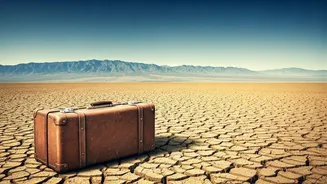
or Delhi, where daytime sightseeing involves navigating vast, sun-baked open spaces. The goal was to see the sights, regardless of the physical toll. However, with climate change making heatwaves more frequent and intense, this model is becoming not just uncomfortable but genuinely risky. Destinations known for their cultural richness are now also known for temperatures that regularly cross 45°C, turning a long-awaited holiday into an exhausting ordeal of dehydration and heat exhaustion. The romance of travel fades quickly when the primary experience is the oppressive, unrelenting heat.
Gen Z Rejects the Old Playbook
Enter a new generation of travellers: Gen Z and young millennials who view travel not as a duty, but as an act of self-expression. According to recent reports, these young Indians are swapping the single, long annual vacation for multiple shorter, more frequent trips that fit around their lives. For them, the 'why' of travel matters more than the 'where'. A staggering 95% want their trip to feel personal and unique, not like a pre-packaged tour. This mindset fundamentally clashes with the idea of suffering through extreme weather just to say you’ve been somewhere. Instead of prioritising famous landmarks, their decisions are driven by experiences, with cultural exploration and outdoor activities ranking high. They are also more likely to travel with partners or friends, seeking connection and shared memories over the traditional family holiday.
The Rise of 'Coolcations' and Smart Travel
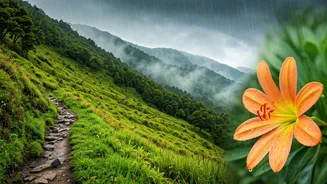
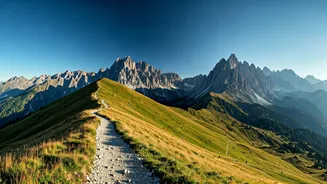
This rejection of “heatstroke tourism” has fuelled a boom in alternative travel styles. The most obvious shift is towards cooler climes, or 'coolcations'. While classic hill stations like Shimla and Manali remain popular, they are often plagued by the same overcrowding they are meant to offer an escape from. In response, savvy travellers are seeking out lesser-known, offbeat destinations. Places like Tirthan Valley and Spiti Valley in Himachal, Munsiyari in Uttarakhand, and Ziro Valley in Arunachal Pradesh are gaining traction for their pleasant summer temperatures and unspoiled landscapes. Even neighbouring countries are benefiting, with Nepal seeing a surge in Indian tourists looking to escape the heat. The goal is no longer just to escape the heat, but to find tranquillity and authenticity away from the crowds.
Work, Wellness, and Wanderlust
The rise of remote and hybrid work has been a game-changer, popularising the 'workation' trend. Young professionals are blending work and leisure by relocating for weeks or months to scenic locations. A survey found that a third of travellers now prefer working from natural settings. This allows for a deeper immersion into a place, transforming travel from a frantic break into a sustainable lifestyle choice. This generation also prioritises wellness and relaxation, with 72% considering it a core part of their travel plans. They are deliberately leaving itineraries open for spontaneity and rest. This slower, more intentional approach to travel is a direct antidote to the frenetic, checklist-driven tourism of the past. It’s a clear signal that for young India, the quality of the experience will always trump the quantity of sights seen.