





The Nostalgia Gold Rush
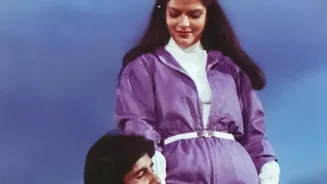
It often starts with an anniversary or a special occasion, like Valentine's week. Suddenly, a beloved classic like 'Jab We Met' or 'Dilwale Dulhania Le Jayenge' is back in theatres. Initially dismissed as a niche novelty, this trend has proven to be a certified
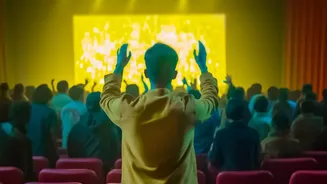
hit. Theatres have seen house-full shows for films released over a decade ago, often with minimal promotion. The primary driver is, of course, nostalgia. For audiences who grew up with these films, it's a chance to recapture cherished memories on the big screen. Videos go viral showing audiences dancing in the aisles to 'Mauja hi Mauja' or reciting dialogues word-for-word, transforming a simple viewing into a communal celebration. This fan-driven excitement translates directly into ticket sales, proving the emotional connection to these films is a powerful, bankable asset.
The Smart Economics of the Encore
For theatre owners and distributors, re-releases are a low-risk, high-reward proposition. With new films sometimes underperforming and schedules having empty slots, these classics serve as reliable content to fill seats. Industry executives note that the cost of re-releasing a film is minimal—there are no massive production budgets and the marketing often takes care of itself through social media buzz and the film's existing legacy. Even films that weren't huge hits initially but have since gained a cult following, like 'Laila Majnu' or 'Tumbbad', have found surprising success in their second run. The profits might not match a new blockbuster, but as a steady revenue stream, they are invaluable. One multiplex chain reported that re-releases accounted for nearly 8.5% of their revenue in a financial year, underscoring their strategic importance.
A New Generation of Fans
One of the most fascinating aspects of this trend is its appeal to a younger audience. For Gen Z, who may have only seen these films on laptops or phones, the theatrical re-release offers a completely new, immersive experience. It’s an opportunity to understand why films like 'Rockstar' or 'Yeh Jawaani Hai Deewani' are considered modern classics by watching them on the grand scale they were intended for. This creates a unique cultural bridge, where older millennials and Gen X can share a piece of their youth with a new generation. Surveys have shown that beyond the original nostalgic audience, a significant number of younger viewers are keen to experience these iconic movies in a communal theatre setting for the first time. This communal experience, watching a film with a theatre full of strangers who share the same passion, is something that streaming at home simply cannot replicate.
More Than a Movie, It's an Event
The re-release phenomenon is changing the definition of a trip to the cinema. It’s less about passively watching a film and more about participating in a live event. The screenings often feel like fan conventions, complete with sing-alongs and social media challenges. The success of these re-releases, even for films readily available on streaming platforms, validates the enduring magic of the theatrical experience. It proves that for the right film, people are willing to leave their homes and pay for a ticket to share a collective experience. Some exhibitors are even planning multi-week calendars for certain cult classics, allowing word-of-mouth to build and turning the re-release from a one-off screening into a prolonged cinematic celebration.