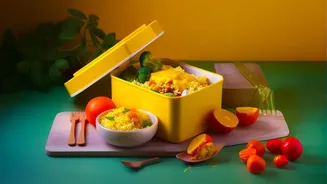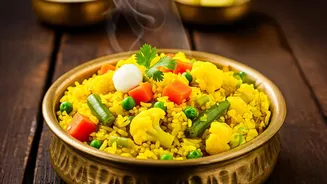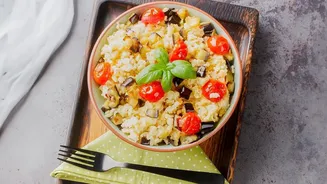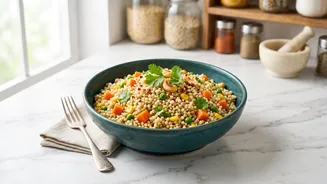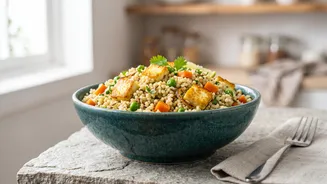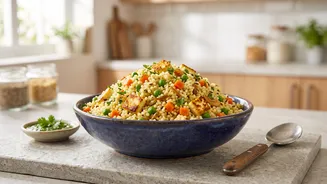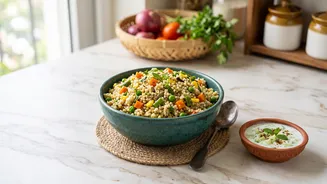


Tired of the same old rice dishes? A vegetable millet pulao is a wholesome, gluten-free alternative that’s light, fluffy, and incredibly satisfying. The secret lies not in heavy masalas, but in the art of keeping it delicately seasoned.
Why Millets Deserve a Place on Your Plate
For centuries,
millets like jowar, bajra, and ragi were staples in Indian kitchens before polished rice and wheat became dominant. Their recent comeback is well-deserved. Millets are celebrated for being naturally gluten-free and having a lower glycemic index than white rice, which helps in managing blood sugar levels more effectively. They are packed with dietary fibre, promoting better digestion and keeping you feeling full for longer, which can aid in weight management. Grains like foxtail millet (kangni) and little millet (kutki) are particularly great substitutes for rice in pulao, offering a light texture and a subtly nutty flavour.
The Art of Light and Aromatic Seasoning
A lightly seasoned pulao doesn't mean a bland one. It's about achieving a delicate balance where the aroma of whole spices complements the natural sweetness of the vegetables and the earthy taste of the millets, rather than overpowering them. The goal is fragrance, not just heat. This is achieved by 'tempering' or 'blooming' a few key whole spices in ghee or oil at the very beginning. This technique gently releases their essential oils, infusing the entire dish with a beautiful aroma. The key is to use a few high-quality spices instead of a spoonful of mixed powder.
Your Essential Pulao Ingredients
For a perfect millet pulao, the choice of ingredients is crucial. Here’s a simple checklist:
Millet: Foxtail millet or Kodo millet are excellent choices as they cook up fluffy and separate, much like basmati rice. About 1 cup is a good start.
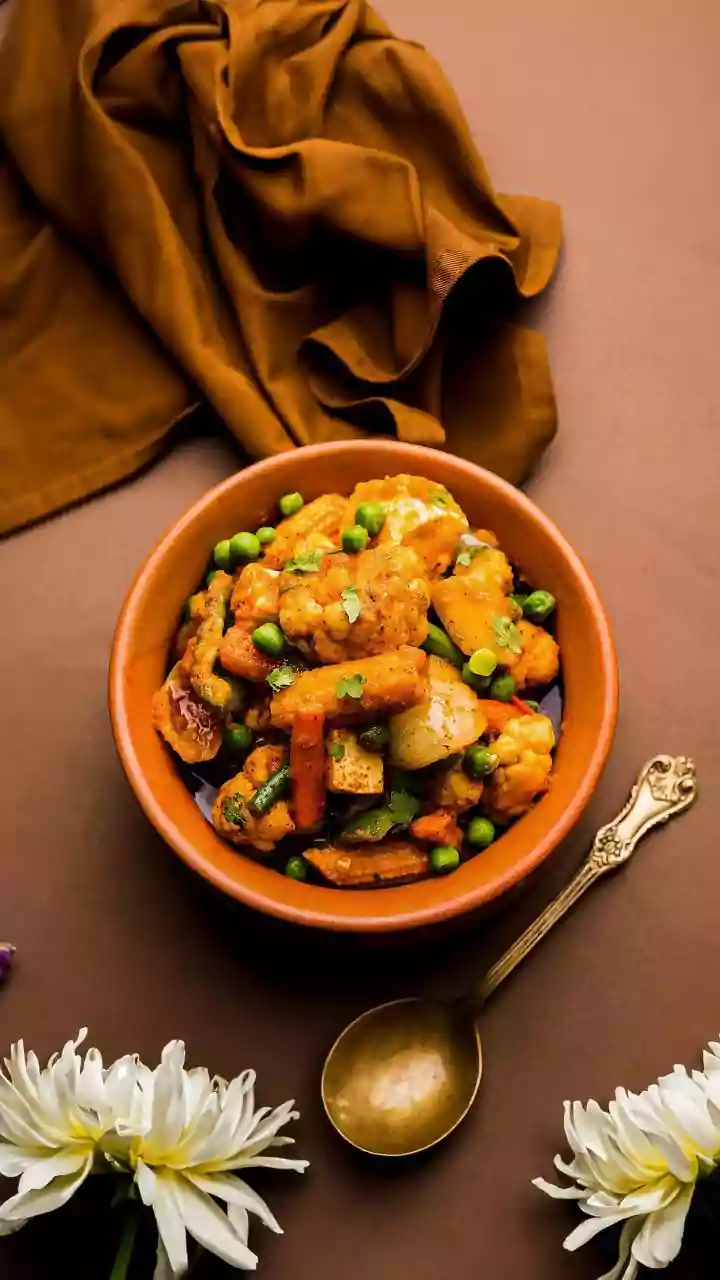
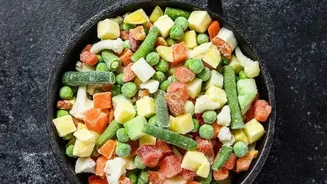
Vegetables: A mix of colourful vegetables like carrots, green beans, peas, and corn adds texture, flavour, and nutrients. Around 1.5 to 2 cups of chopped veggies work well.
Aromatics: One sliced onion, a teaspoon of ginger-garlic paste, and one or two slitted green chillies form the flavour base.
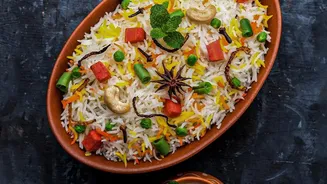
Whole Spices: This is where the magic happens. A simple, elegant combination includes 1 bay leaf, a small 1-inch cinnamon stick, 2-3 green cardamoms, and 2-3 cloves. A teaspoon of cumin or fennel seeds is also a great addition.
Fat: A combination of oil and ghee offers the best of both worlds—ghee for aroma and oil to keep it light. About 2 tablespoons in total is sufficient.
Liquid: The water-to-millet ratio is critical. For foxtail millet, a 1:2 ratio (1 cup millet to 2 cups water) is standard. Kodo millet may need slightly more, around 1:2.5.
Step_by_Step to Fluffy Millet Pulao
1. Prep the Millet: Rinse 1 cup of millet thoroughly under running water until the water runs clear. Soaking for about 15–20 minutes can help ensure an even, fluffy texture, but isn't always mandatory for quick–cooking varieties like foxtail. Drain it completely and set aside.
2. Sauté the Aromatics: Heat ghee and/or oil in a heavy–bottomed pan or pressure cooker. Add your whole spices (bay leaf, cinnamon, cloves, cardamom) and cumin seeds. Once they sizzle and release their aroma (about 30 seconds), add the sliced onions and sauté until they turn soft and translucent.
3. Add Vegetables: Add the ginger–garlic paste and green chillies, and cook for another minute until the raw smell disappears. Now, add your mixed vegetables and sauté for 2–3 minutes.
4. Combine and Cook: Add the drained millet to the pot and gently toast it with the vegetables for about a minute. Pour in the water (2 cups for foxtail millet) and add salt to taste. Stir once, bring the mixture to a boil, then reduce the heat to low. Cover the pan with a tight–fitting lid and let it simmer for 12–15 minutes, or until all the water is absorbed. If using a pressure cooker, cooking for 2 whistles on medium flame is usually sufficient.
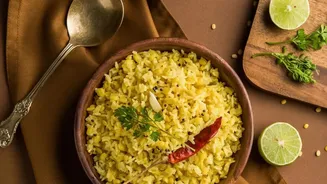
5. Rest and Fluff: This is a crucial step. Once cooked, turn off the heat and let the pulao rest, covered, for at least 5–10 minutes. This allows the grains to firm up. Finally, open the lid and gently fluff the pulao with a fork. Garnish with fresh coriander leaves and a squeeze of lime juice before serving.
Common Mistakes to Avoid
Getting a perfect, non–sticky millet pulao is easy if you avoid a few common pitfalls. First, always rinse your millets to remove any dust or residue. Second, do not stir the pulao while it's cooking; this releases starches and makes it gummy. Third, avoid cooking on high heat, which can burn the bottom while leaving the top undercooked. Finally, always let it rest after cooking. This step is non–negotiable for achieving separate, fluffy grains.