
Welcome to the World's Highest Art Biennale
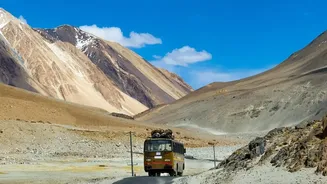
Forget traditional galleries with white walls. The sā Ladakh Biennale, which has its inaugural edition from August 1 to 10, 2026, transforms a massive 200-kilometre stretch of the Himalayas into an interactive art experience. Titled 'Signals from Another
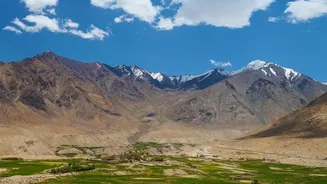
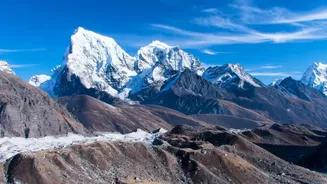
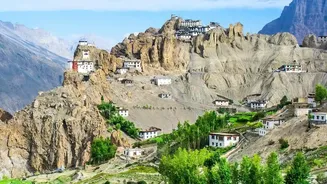
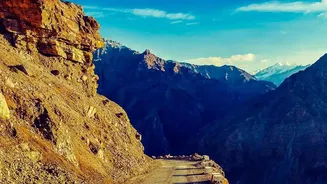
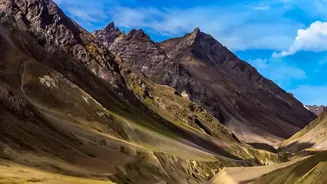
Star', this event positions itself as the world's highest regenerative art biennale, with installations scattered across eight locations between Leh and Kargil. The name 'sā' itself is the Ladakhi word for soil, reflecting the project's deep connection to the land. The idea isn't to place art in the landscape, but to create art that emerges from it. Visitors can explore works in stunning, unconventional settings like remote villages, ancient trade routes, and against the backdrop of majestic Himalayan valleys.
A Trail of Regenerative Art
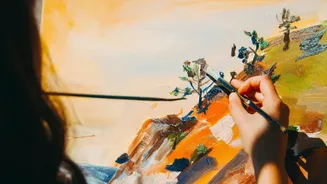
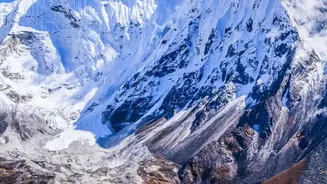
At the heart of the sā Ladakh Biennale is the concept of 'regenerative art'. This goes beyond simply minimising environmental impact; it's about creating works that are deeply intertwined with the local ecosystem and community. The installations are crafted primarily from locally sourced, biodegradable, and recycled materials, drawing attention to sustainability and the fragile Himalayan environment. The biennale brings together local Ladakhi artists with their counterparts from across India and the world, fostering a unique creative dialogue. Artists like Stanzin Tsepel, for example, have created powerful works like 'Glacier's Retreat', which uses scrap wood and lime to depict the receding glaciers in his native village, a poignant commentary on climate change.
More Than an Exhibition: A Cultural Journey
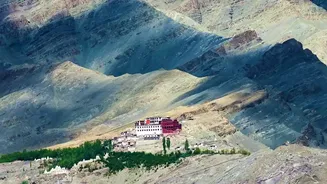
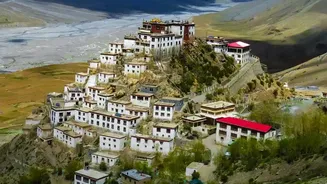
The art trail is designed to encourage slower, more mindful travel. Instead of a single, central venue, the biennale unfolds across sites like Leh, Lamayuru, Basgo, Likir, Nurla, and Kargil. This format encourages visitors to engage not just with the art, but with the diverse cultural landscapes and communities along the historic Leh-Kargil route. In Leh, installations might engage with the legacy of the Silk Road, while in the village of Hunderman in Kargil, the art is rooted in the local Balti heritage and experiences of border life. The event also includes film screenings, workshops, and community-led projects, making it a multifaceted cultural festival rather than just a static exhibition.
Redefining the Ladakh Experience
For years, Ladakh has been a bucket-list destination for adventure seekers and those in search of spiritual solace in its famous monasteries. While that appeal remains, the sā Ladakh Biennale offers a compelling new layer to the region's identity. It spotlights contemporary Ladakhi artists, giving them a global platform and challenging the perception that the region's art is confined to traditional thangka paintings and murals. It reframes the iconic landscape as a living gallery, a canvas for conversations about heritage, climate change, and cultural identity. For travellers, it’s an invitation to look beyond the picture-postcard views and connect with the creative pulse of this unique high-altitude desert.
How to Experience the Art Trail
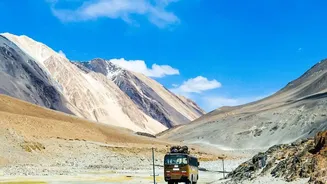
The inaugural sā Ladakh Biennale runs from August 1 to 10, 2026. A key feature is its accessibility; entry to all sites is free, and there are no formal opening or closing ceremonies, encouraging a more personal and reflective journey. There is no prescribed route, allowing visitors to start from either Leh or Kargil and explore at their own pace. Experiencing the full trail requires several days and a vehicle, but it's a journey designed to be savoured. The organizers’ goal isn’t to attract massive crowds but to foster meaningful engagement with the art, the landscape, and the local communities. While the biennale is a specific event, its spirit is part of a growing movement of land art in the region, which has seen exhibitions under the 'sā' banner in previous years.