






Embrace Real-Time Information
The single biggest mistake during monsoon travel is not staying updated. Weather in India can be highly unpredictable, with conditions changing rapidly. Before you even book, and certainly before you leave, make real-time information your best friend.
Download reliable weather apps like the official 'Mausam' app from the India Meteorological Department (IMD) or other well-regarded services like AccuWeather. These provide forecasts, radar imagery, and warnings for impending events. For road trips, especially in hilly regions, Google Maps' live traffic feature is invaluable, but also check local police and district administration social media pages. They often post crucial updates on road blockages, landslides, and alternative routes. Recent events, like the disruption of flights and trains in Mumbai due to heavy rains, underscore the need for this vigilance.
Choose Your Destination Wisely
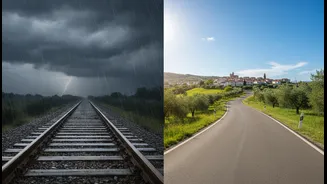
Not all destinations are created equal in the monsoon. While places like Meghalaya, Coorg, and Munnar become spectacularly lush and are often prepared for tourism, others pose significant risks. Mountainous areas in states like Uttarakhand and Himachal Pradesh are prone to landslides, which can leave travellers stranded. Similarly, some coastal areas in Odisha and West Bengal face cyclone risks, and cities like Mumbai can experience severe waterlogging that brings everything to a halt. As a precaution, authorities in some districts, like Thane, have recently prohibited entry to tourist spots like forts and waterfalls during heavy rain warnings. Instead of high-risk zones, consider destinations in the Deccan Plateau or parts of Rajasthan, which receive less rainfall but still benefit from cooler temperatures and greener landscapes.
Pack Smarter, Not Harder
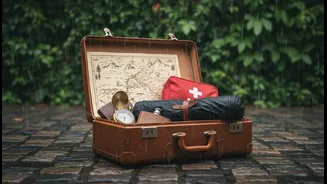
Monsoon packing goes beyond just an umbrella. Your goal is to stay dry, comfortable, and prepared. Opt for lightweight, synthetic, and quick-drying clothes. Fabrics like polyester dry much faster than cotton, which becomes heavy and uncomfortable when wet. Avoid jeans. Instead, pack trousers or capris that don't drag in puddles. A high-quality, breathable raincoat or poncho is non-negotiable. Footwear is critical; choose waterproof sandals or floaters with good grip for navigating slippery streets. Protect your valuables by packing electronics, documents, and wallets in waterproof dry bags or even simple zip-lock pouches. Also, with the higher risk of mosquito-borne illnesses like dengue and malaria during this season, a reliable insect repellent is an essential health precaution.
Build a Flexible Itinerary
A rigid, jam-packed schedule is a recipe for disappointment during the monsoon. Rains can and will cause delays. Flights might be rerouted due to poor visibility, and trains can be delayed by waterlogged tracks. The smart approach is to plan with buffer time. Allow extra hours between connecting flights or trains and avoid scheduling critical activities back-to-back. If a road trip is planned, avoid driving at night when visibility is poor and risks are higher. Embrace a slower pace of travel. Focus on one or two key experiences per day, with plenty of downtime. This way, if a plan gets rained out, it feels like a chance to relax with a hot cup of chai rather than a ruined day.
Prioritise Health and Safety
The monsoon brings a higher risk of waterborne and foodborne illnesses due to contamination. Be extra cautious about what you eat and drink. Avoid street food that looks like it has been sitting out, especially pre-cut fruits and salads. Stick to bottled or filtered water, and ensure it's from a reliable source. Carrying a basic first-aid kit is always a good idea, but it's crucial during the monsoon. Your kit should include antiseptics, bandages, pain relievers, and medications for common issues like colds, flu, and stomach upsets. Given the humidity and wet conditions, it’s also wise to pack a hand sanitiser and some ORS sachets as a precaution.