





The Endless Search for the Perfect Shade
For decades, finding the right foundation has been a frustrating ritual of guesswork. We’ve all been there: standing under the unflattering fluorescent lights of a beauty counter, swatching endless stripes on our jawline, only to get home and realise
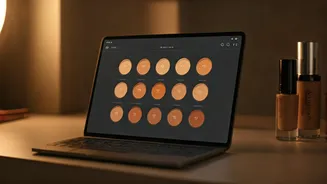
the shade is too orange, too pink, or simply not right. For Indian skin tones, which encompass a vast and beautiful spectrum of shades and undertones, this challenge is magnified. The limited ranges offered by many brands historically left countless consumers feeling unseen, forced to mix multiple products or settle for a less-than-perfect match.
How AI Enters the Picture
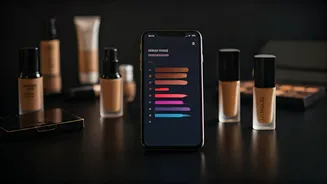
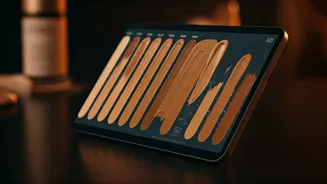
Artificial intelligence is changing the game by replacing guesswork with data-driven precision. AI shade-matching technology uses complex algorithms to analyse your unique skin tone and recommend the best products for you. It combines the power of computer vision, which allows your phone's camera to see and interpret your skin, and machine learning. These systems are trained on massive datasets containing thousands, sometimes hundreds of thousands, of diverse skin tone images, allowing them to recognise subtle nuances that the human eye might miss. This technology promises a level of personalisation that was previously impossible, moving beauty from a one-size-fits-all model to a bespoke experience.
From Selfies to Science
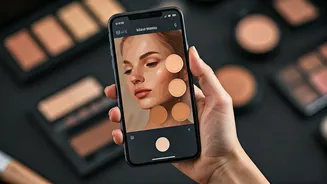
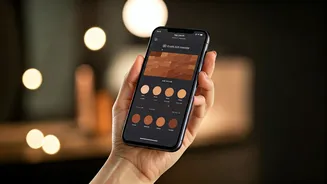
There are primarily two ways this technology works. The most common method involves your smartphone. Brands like Maybelline and L'Oréal, and retailers like Sephora, use apps that prompt you to take a photo or a short video of your face. The AI analyses the pixels in your skin, often asking you to scan several areas from your forehead to your jaw. It accounts for lighting conditions and then cross-references your specific colour data against its vast library of foundation shades to find your top matches. The second method, used by brands like Il Makiage, employs a detailed quiz. Instead of a camera, it uses your answers about your skin's characteristics—how it tans, your vein colour, jewellery preference—to feed an algorithm that predicts your ideal shade with a surprisingly high accuracy rate of over 90%.
The Big Players and In-Store Tech
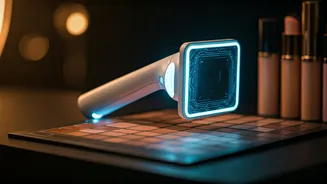
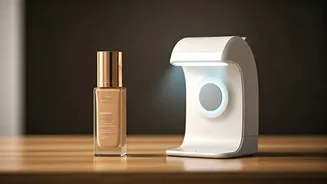
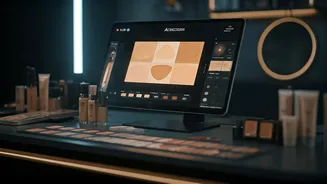
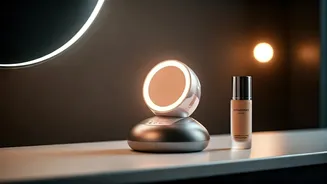
Internationally, major players are leading the charge. Sephora’s Color iQ is one of the pioneers in this space. The in-store device scans your skin and assigns you a unique Color iQ number, which then corresponds to a wide array of foundations and concealers across the many brands they carry. L'Oréal has also invested heavily in this space with its ModiFace technology and the at-home Perso device, which can create custom-blended formulas. While many of these advanced services are rolling out globally, Indian consumers can access much of this technology through the websites and apps of international brands that ship to India, and at major retailers like Sephora. Even homegrown brands like Lovechild by Masaba are launching AI-powered quizzes to help customers find their match online.
Is It Truly Foolproof?
While AI offers incredible convenience and a higher chance of success, it’s not yet perfect. The accuracy of camera-based tools can be heavily influenced by the quality of your phone's camera and, most importantly, the lighting. A selfie taken in warm, indoor lighting will produce a different result than one taken in natural daylight. This variability can sometimes lead to inconsistent recommendations. Similarly, quiz-based systems rely on your ability to self-assess your skin, which can be tricky for those who are unsure about their undertones. However, the technology is constantly learning and improving. Each match and piece of user feedback helps refine the algorithms, making them smarter and more accurate over time.