



The Real Risk in Leftover Rice
The problem isn't the rice itself, but a common bacterium called Bacillus cereus. Spores of this bacteria are often present on uncooked rice and can survive the cooking process. When cooked rice is left at room temperature, these spores can germinate
and multiply, producing toxins that can cause food poisoning, sometimes known as 'fried rice syndrome'. Symptoms like vomiting and diarrhea can appear within hours of eating contaminated rice. Crucially, reheating the rice won't destroy these heat-resistant toxins once they have formed. The danger, therefore, lies not in the reheating, but in how the rice is handled and stored long before it goes back in the microwave or pan.
The Golden Rule: Cool It Quickly
The single most important step to ensuring your leftover rice is safe is to cool it down as quickly as possible. UK's National Health Service (NHS) and the Food Standards Agency (FSA) strongly advise cooling cooked rice ideally within one hour. Leaving a large pot of hot rice on the kitchen counter to cool slowly creates the perfect breeding ground for Bacillus cereus to thrive. To speed up cooling, spread the rice in a thin layer on a shallow tray or divide it into smaller, airtight containers. Some even recommend placing the container in a bath of iced water or rinsing the rice under cold running water if it's not part of a sauce-based dish. Never put a large, hot container of rice directly into the fridge, as it can raise the internal temperature of the appliance, putting other foods at risk.
Safe Storage for Peace of Mind
Once the rice has cooled, it must be stored correctly. Transfer the cooled rice into a clean, airtight container and place it in the fridge. The official advice from the NHS is to store it for no more than one day before using it. While some sources suggest it can last a few days, the 24-hour rule is the safest guideline to follow to minimize any risk. If you know you won't use the rice within a day, freezing is an excellent option. Portion the cooled rice into freezer bags or containers and freeze it on the day it was cooked. To use it, defrost it thoroughly in the fridge overnight before reheating.
Reheating Rice the Right Way
When you are ready to eat your properly stored leftovers, reheating them thoroughly is the final safety check. Whether you use a microwave or a stovetop, the goal is to get the rice 'steaming hot' all the way through. If using a microwave, add a splash of water, cover the container, and stir the rice partway through to ensure there are no cold spots. On the stovetop, a little water or oil in a pan with a lid will help steam the grains back to life. A key rule to remember is to only reheat rice once. Any rice that has been reheated should be eaten straight away, and any subsequent leftovers must be discarded.
Does Basmati Change the Rules?
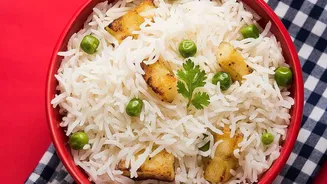
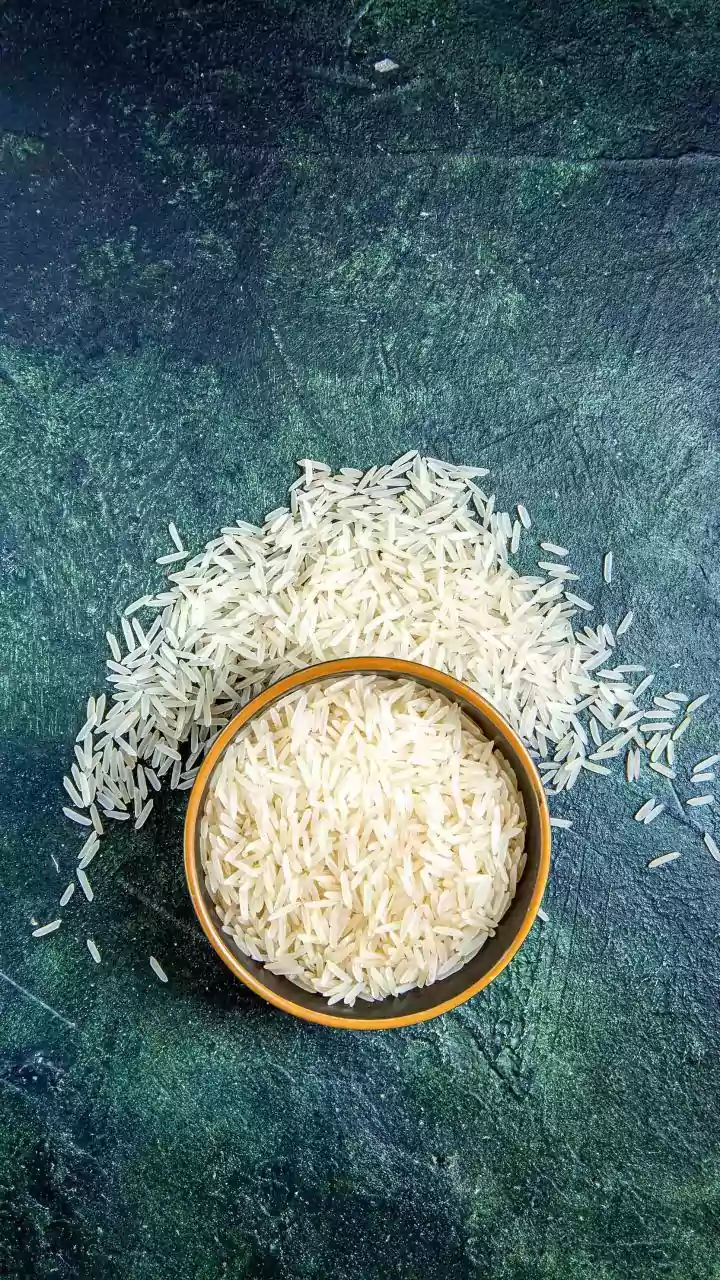
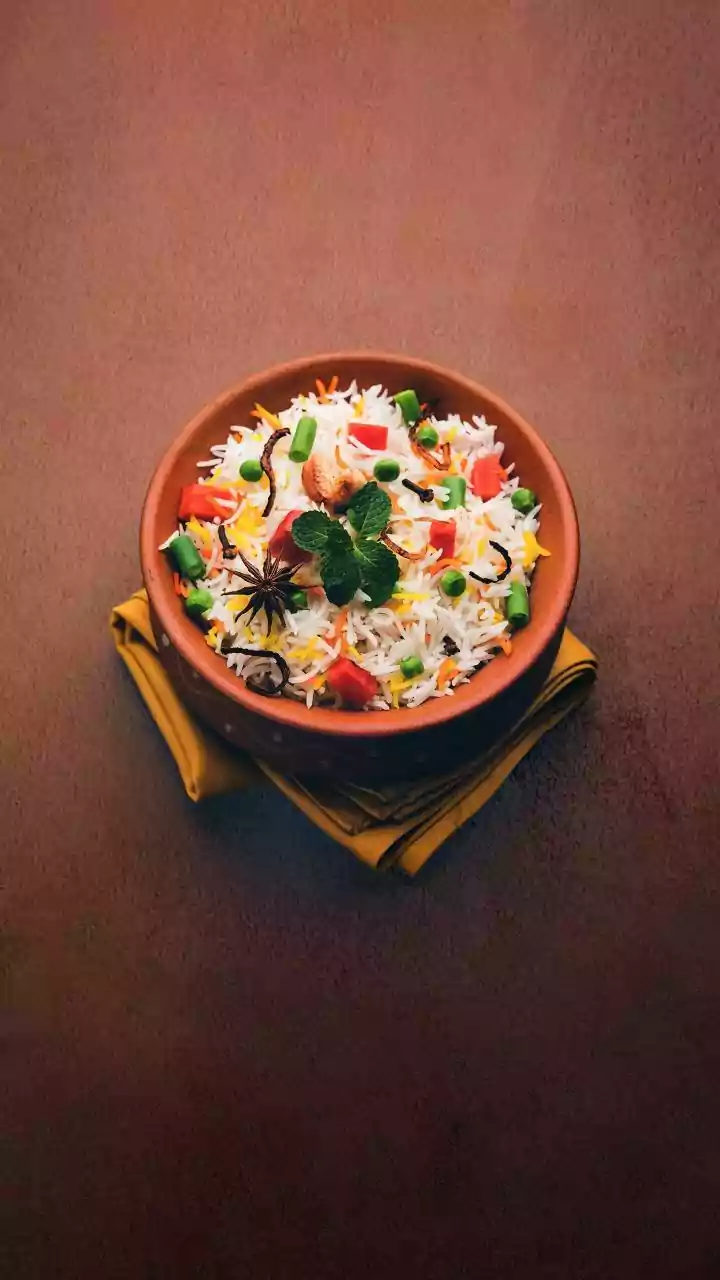
The headline specifically mentions basmati rice, a fragrant, long-grain variety popular in many Indian households. However, when it comes to food safety, there is no special exception for basmati. The risk from Bacillus cereus and the safety procedures for cooling, storing, and reheating apply equally to all types of rice, including basmati, jasmine, brown, and short-grain varieties. The bacteria do not discriminate based on the grain's aroma or length. Following the safe handling practices is essential regardless of the type of rice you are cooking, ensuring that your delicious homemade pulao or biryani can be enjoyed safely the next day.