






Start with a Water-Resistant Foundation
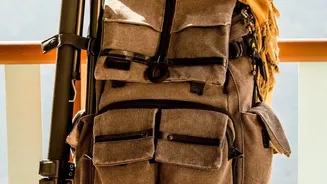
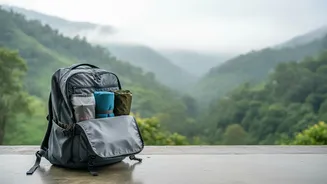
Your first line of defence is the backpack itself. While fully waterproof bags offer maximum protection, a good quality water-resistant backpack paired with a dedicated rain cover is a more versatile and common setup. A rain cover is non-negotiable; it should
be easily accessible, not buried at the bottom of your bag, for quick deployment during a sudden downpour. For daily commuters, a bag with water-resistant fabric and zippers provides a solid base of protection against light to moderate showers.
Compartmentalise Everything with Dry Bags
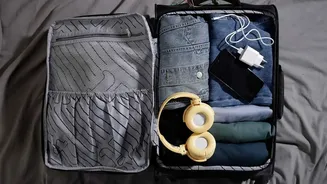
Think of your backpack's interior as a system of smaller, protected zones. This is where dry bags and packing cubes become essential. Instead of standard packing cubes, opt for waterproof versions or lightweight dry bags. Use them to segregate everything: one for clothes, one for toiletries, and most importantly, separate, sealed pouches for all electronics. This 'bag-within-a-bag' strategy ensures that even if the main backpack gets damp, your critical items remain perfectly dry. Ziploc bags are a budget-friendly alternative for smaller items and documents.
The Double-Wrapped Electronics Rule
Moisture is the enemy of electronics. During the monsoon, simply putting your laptop in its sleeve is not enough. The golden rule is to double-wrap. Place your phone, power bank, laptop, and chargers in individual waterproof pouches or sealed bags first, and then place them in the padded compartments of your backpack. This dual-layer provides robust protection against both direct rain and the pervasive ambient humidity that can cause condensation inside your bag. For extra security, toss a few silica gel packets into your electronics pouch to absorb any lurking moisture.
Strategic Layering for Quick Access
Organise the contents of your backpack based on how frequently you need them. Items you'll need at a moment's notice—like your rain cover, a compact umbrella, or a poncho—should be in an easily accessible outer pocket. Your wallet, keys, and phone should also be in a secure but reachable spot, ideally in their own small waterproof pouch. Items you'll only need at your destination, like a change of clothes, can be packed deeper inside the main compartment. This prevents you from having to rummage through your entire bag in the middle of a downpour.
Manage Wet Items Separately
One of the biggest challenges is dealing with items after they’ve gotten wet. It’s crucial to have a dedicated space to isolate them. Pack a separate reusable plastic bag or a specific dry bag just for your wet umbrella, drenched raincoat, or damp clothes. This prevents moisture from spreading to the dry contents of your backpack. A quick-dry microfibre towel is another monsoon essential; it’s perfect for wiping down your bag or yourself and dries much faster than cotton, preventing mildew smells.
Choose Your Clothing Wisely
The contents of your bag matter as much as the organisation. Opt for clothes made from quick-drying synthetic fabrics like polyester and nylon instead of cotton, which absorbs moisture and takes ages to dry in high humidity. These fabrics are lighter, pack smaller, and will be wearable again much sooner if they get damp. The right choice of clothing makes your packing lighter and your journey more comfortable.