


A National Health Awakening
The single biggest driver behind this shift is a collective move towards wellness, significantly accelerated by the pandemic. Suddenly, terms like ‘immunity’ and ‘well-being’ moved from the wellness blogs to the dinner table. Consumers began scrutinising
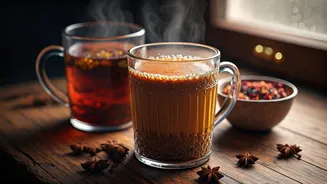
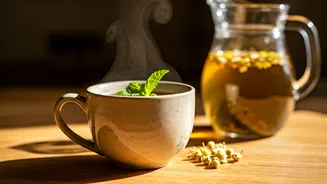
labels, becoming more aware of high sugar content and artificial ingredients in traditional carbonated soft drinks. This quest for healthier alternatives has created a perfect market for herbal teas and infusions, which are often perceived as natural, beneficial, and preventative. These drinks aren't just about hydration anymore; they're seen as a form of self-care, a functional beverage that can help with everything from stress relief to better sleep and stronger immunity.
Modern Science Meets Ancient Wisdom
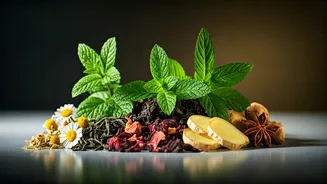
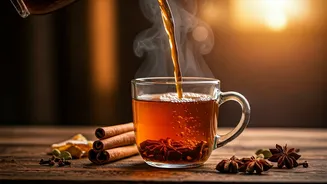
This isn't just about importing Western wellness trends. It's a rediscovery and repackaging of India’s own rich heritage. For generations, ingredients like tulsi, ginger, turmeric (haldi), and ashwagandha have been staples in household remedies. What's new is how they are being presented. Modern brands are taking these trusted Ayurvedic and traditional ingredients and offering them in convenient, beautifully packaged formats. They are creating sophisticated blends—like chamomile with lavender for sleep, or hibiscus with cinnamon for detox—that appeal to a younger, urban demographic. This fusion of ancient wisdom with modern convenience and aspirational branding has made traditional health practices feel accessible and cool.
The Direct-to-Consumer Revolution
The way we shop for these teas has also changed dramatically. A decade ago, your choices were limited to what was on the supermarket shelf. Today, a wave of Direct-to-Consumer (D2C) brands has emerged, using social media and e-commerce to build a direct relationship with customers. Brands like Vahdam, Tea Trunk, and The Tea Shelf have leveraged powerful storytelling, subscription models, and premium positioning to carve out a niche. They speak the language of wellness, sustainability, and authenticity, creating a loyal community around their products that legacy brands find hard to replicate. This digital-first approach allows them to innovate quickly and cater to specific consumer needs, from organic-only blends to caffeine-free options.
Are Soft Drinks Disappearing?
So, is it game over for colas and sweetened sodas? Not exactly. The carbonated soft drink market in India remains massive. However, the giants of the industry are not sitting idle. They are acutely aware of this shift. Notice the explosion of ‘zero sugar’ variants, the introduction of fruit-based fizzy drinks, and the acquisition of juice and dairy brands by major beverage corporations. The industry is diversifying its portfolio to cater to the health-conscious consumer. The trend, therefore, is not a complete replacement but a significant diversification of India's beverage palate. Consumers now demand more choices, and the 'healthy' category is the fastest-growing segment of that market.
More Than Just a Metro Trend
While this movement was initially led by consumers in major metropolitan cities, the wellness wave is expanding. Thanks to e-commerce and increased health literacy, the demand for herbal infusions is growing in Tier-2 and Tier-3 cities as well. Local and regional brands are also stepping up, offering products that cater to local tastes and ingredient preferences. This democratisation of wellness means that the humble cup of herbal tea is becoming a symbol of a modern, health-aware India that values both global trends and its own deep-rooted traditions. It represents a mindful choice in a fast-paced world.