


Nature's Air Filters
When Delhi's air quality index (AQI) spikes due to factors like stubble burning, vehicle emissions, and industrial pollutants, our indoor spaces are not immune. Pollutants like formaldehyde, benzene, and nitrogen oxides seep indoors from furniture, paints,
and cleaning agents. A famous 1989 NASA Clean Air Study revealed that common houseplants can be surprisingly effective at absorbing these harmful volatile organic compounds (VOCs). While they are not a substitute for a mechanical air purifier, especially for dangerous PM2.5 particles, they are a natural, beautiful, and low-cost way to supplement your efforts for cleaner indoor air.
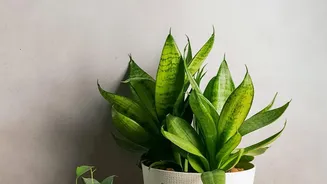
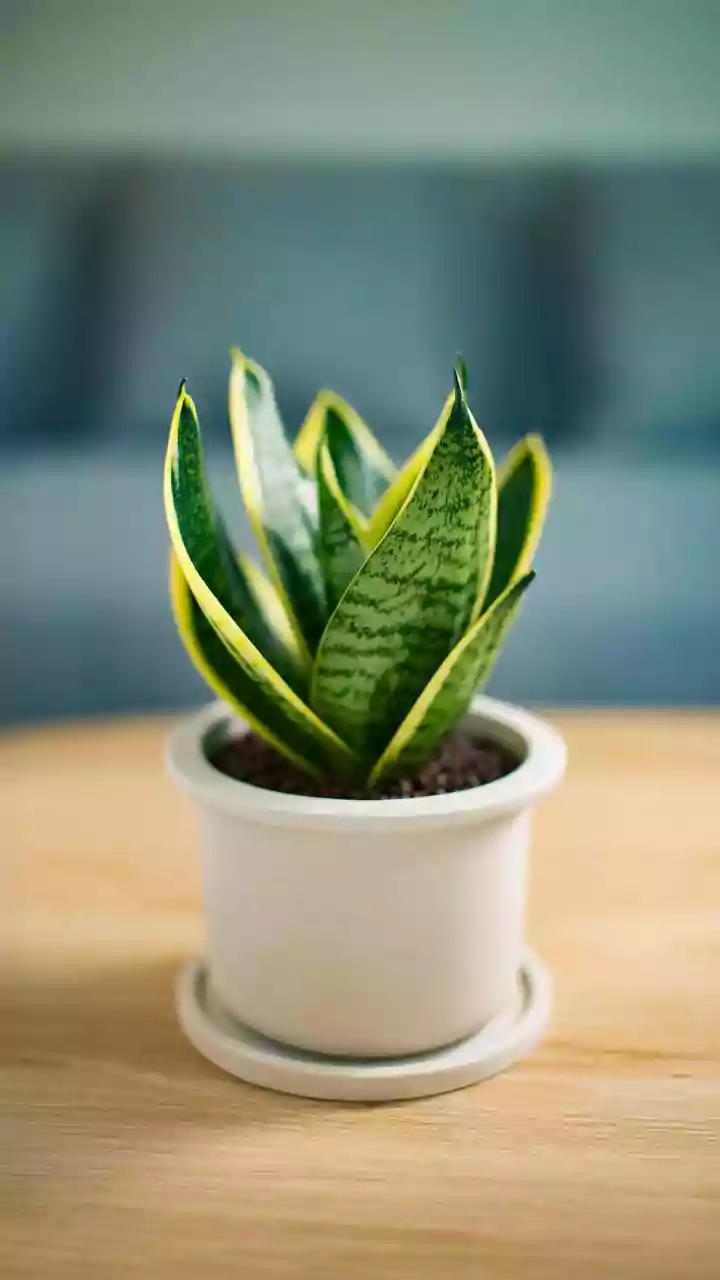
1. The Unkillable Snake Plant
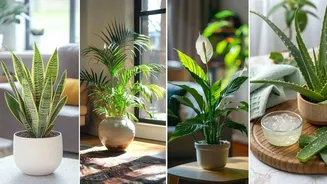
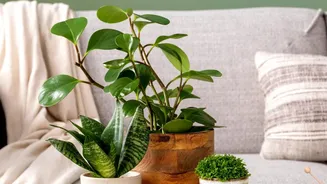
Formally known as Dracaena trifasciata (or Sansevieria), the snake plant is the champion of low-maintenance greenery. Its tough, upright leaves make it perfect for beginners and busy households. It's one of the few plants that releases oxygen at night, making it an excellent choice for bedrooms. The NASA study found it effective at filtering formaldehyde, benzene, xylene, and nitrogen oxides. It thrives in low light and requires infrequent watering, making it perfectly suited for apartment life where sunny spots can be scarce.
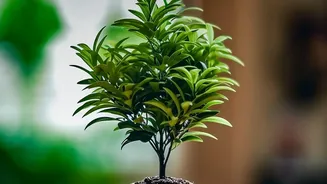
2. The Lush Areca Palm
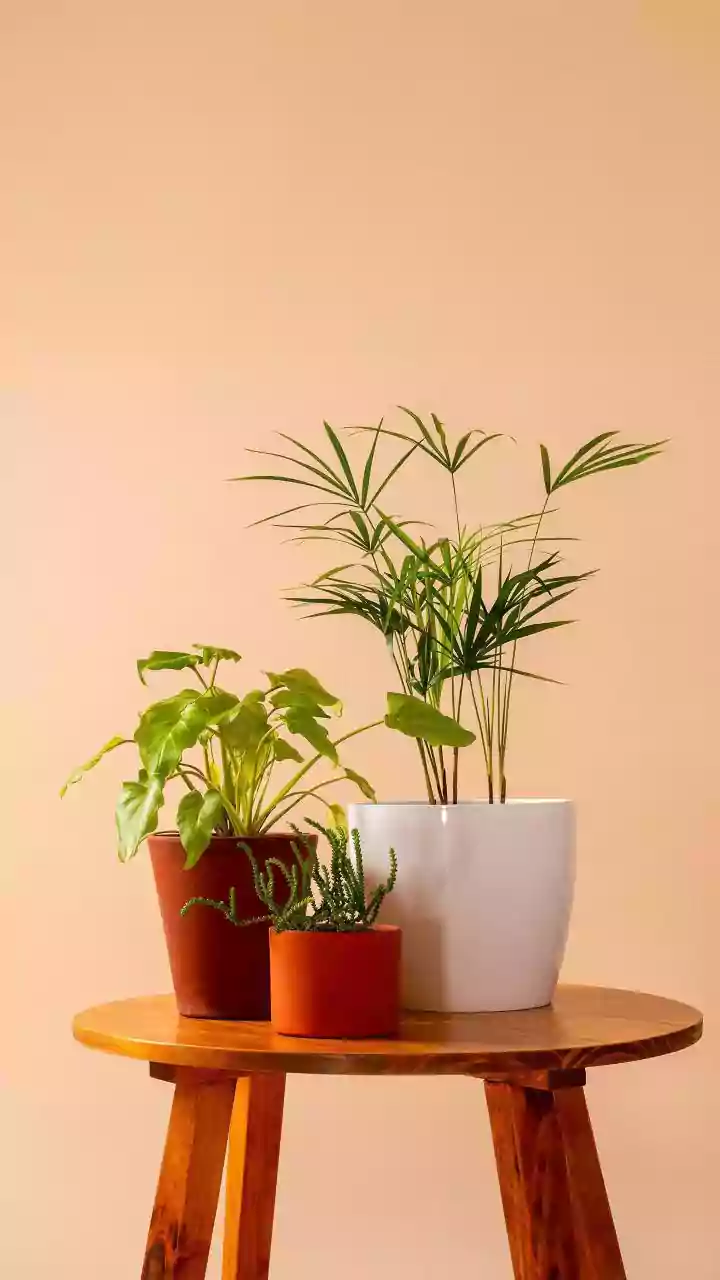
If you have a bit more space, the Areca Palm (Dypsis lutescens) is a fantastic addition. Its feathery fronds not only add a tropical vibe but also act as a natural humidifier, which can be a relief in dry winter air. It was one of the top-rated plants in NASA's research for its ability to remove chemical toxins from the air. This plant prefers bright, indirect sunlight and consistently moist soil to look its best. A healthy Areca Palm is a workhorse, tackling pollutants like xylene and formaldehyde.
3. The Versatile Money Plant
Already a fixture in millions of Indian homes, the Money Plant (Epipremnum aureum or Pothos) is more than just a lucky charm. This fast-growing vine is incredibly easy to care for, thriving in soil or a simple jar of water. It's an adept cleaner, identified by NASA for its efficiency in removing formaldehyde and benzene—common irritants found in paints and furniture. Its trailing vines look beautiful on shelves or in hanging baskets, making it a versatile decorative and functional plant.
4. The Beginner-Friendly Spider Plant
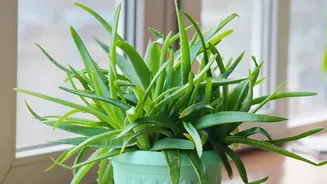
The Spider Plant (Chlorophytum comosum) is renowned for being easy to grow and propagate. It’s also a powerful air purifier. One study noted its effectiveness in absorbing a high percentage of formaldehyde. It also tackles carbon monoxide and xylene, making it a great all-rounder for living spaces. Spider plants are highly adaptable and can survive a bit of neglect, making them ideal for those new to plant parenting. Plus, they are non-toxic, making them a safe choice for homes with pets and children.
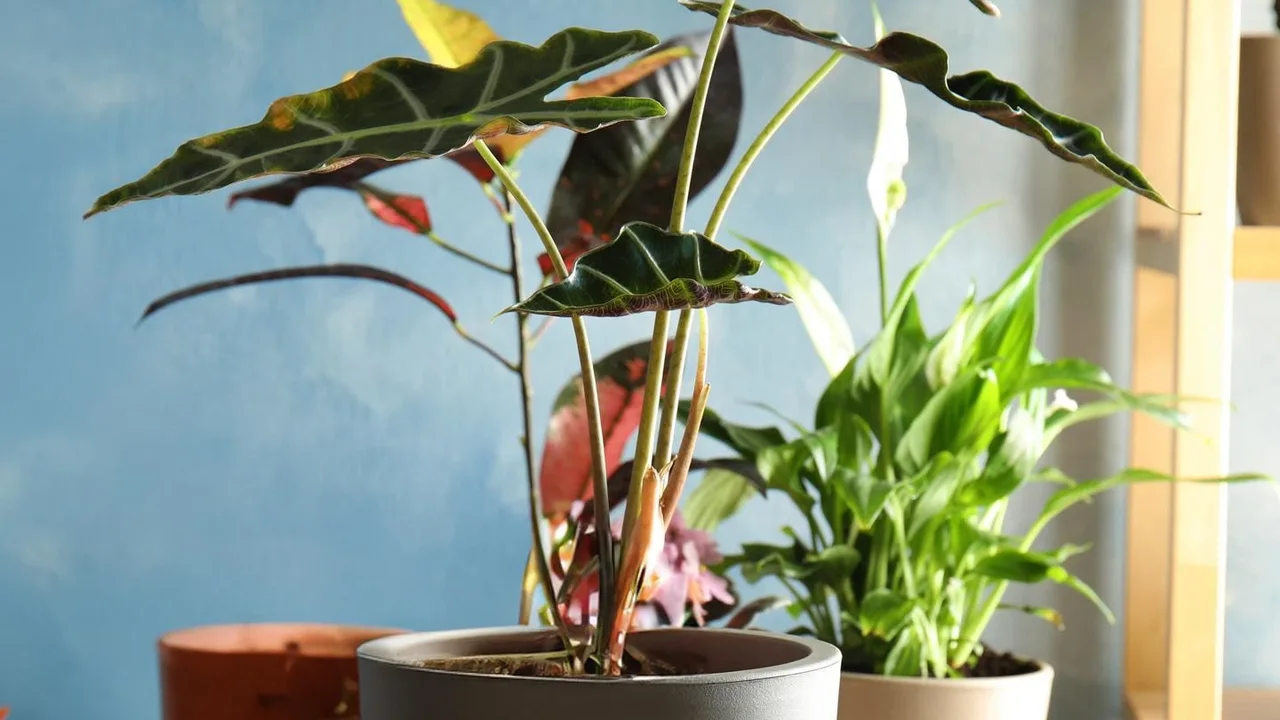
5. The Elegant Peace Lily
With its glossy dark leaves and beautiful white blooms, the Peace Lily (Spathiphyllum) is one of the most aesthetically pleasing air purifiers. It's also one of the most effective, noted in NASA's study for its ability to remove all five of the tested airborne toxins, including ammonia, a common component of cleaning products. It thrives in shady spots and signals its need for water with a slight droop, making it easy to read. Do note, however, that it is toxic if ingested, so it should be kept away from curious pets and children.
Making Your Greenery Work Harder
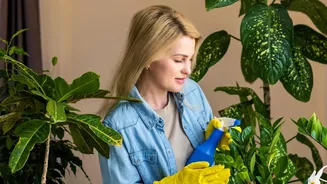
To get the most out of your indoor garden, density matters. While some studies suggest an impractically large number of plants are needed for significant purification, other research indicates a more manageable approach can still help. One NASA scientist recommended at least two good-sized plants per 100 square feet. To maximise their effect, keep the leaves clean by wiping them with a damp cloth every week or two, as a layer of dust can hinder their ability to absorb pollutants. Ensure good drainage in pots to keep the root system and beneficial soil microbes healthy, as they also play a role in breaking down toxins.