

A Trend Rooted in Tradition
The practice of upcycling old sarees is gaining momentum, blending sustainability with a deep appreciation for heritage. In an age of fast fashion, turning a beloved but unworn saree into curtains is a conscious choice to reduce textile waste and create
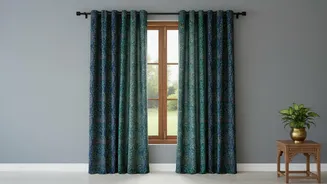
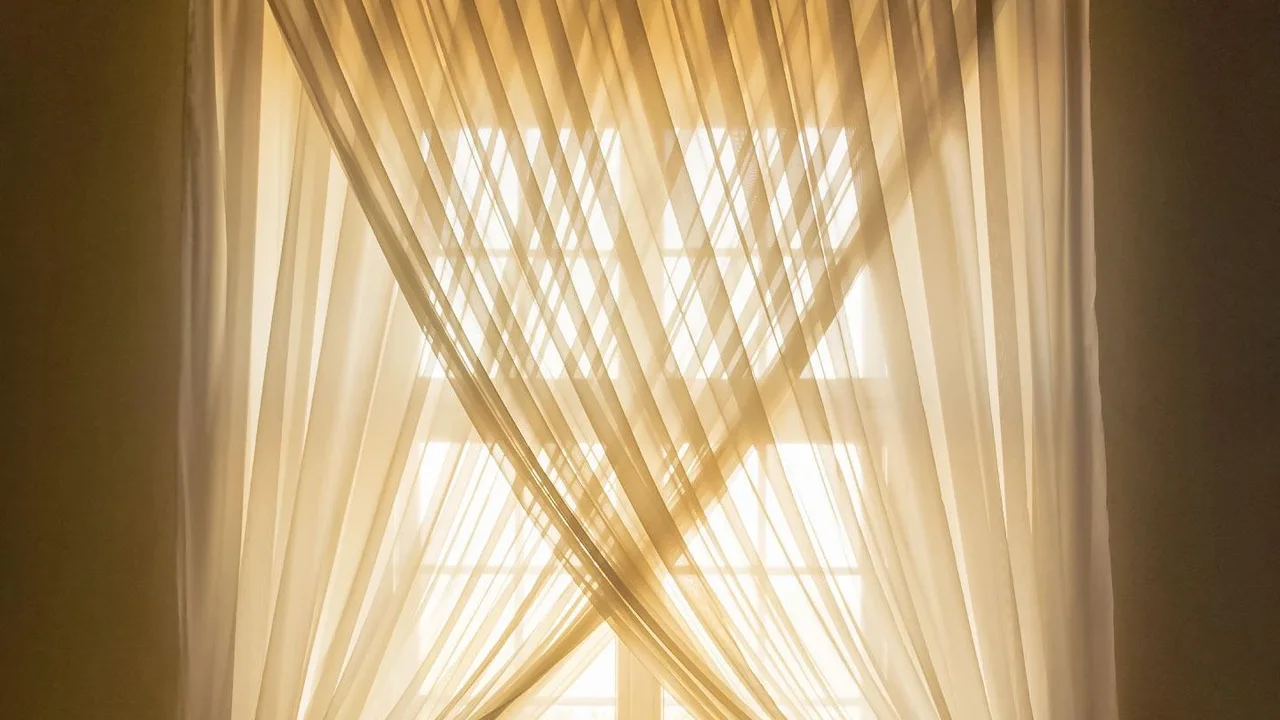
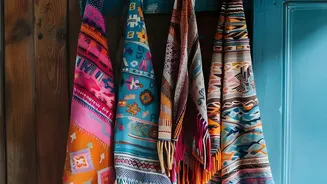
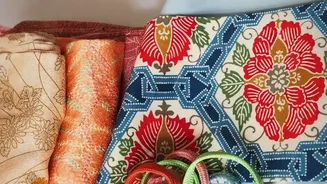
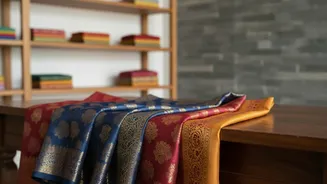
something unique. This is more than just recycling; it's a way of embedding personal and cultural history into the fabric of a home. Lightweight sarees like chiffon and cotton can become flowing, sheer curtains that filter sunlight beautifully, while heavier silks like Kanjeevaram or Banarasi make for opulent, regal drapes perfect for festive occasions. The idea is to honour the craftsmanship and the memories attached to the garment by giving it a new, visible life.
The Woven History of India
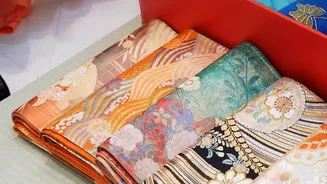
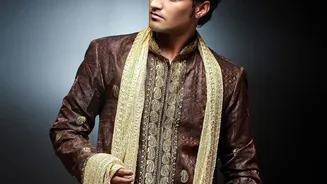
India's textile history is one of the oldest in the world, with evidence of cotton weaving dating back thousands of years to the Indus Valley Civilization. For centuries, Indian textiles were prized across the globe, exported to regions from the Roman Empire to China. Each region in India developed its own unique weaving traditions based on local resources and cultural influences. This rich history is what makes every upcycled saree drape a piece of living art. A Banarasi silk saree, for instance, carries the legacy of Mughal-era artistry, known for its intricate brocades and zari work that blend Indian and Persian motifs. When hung as a drape, its natural sheen adds a touch of royalty to a room.
From Southern Silks to Delicate Cottons
The heavy, lustrous silk of a Kanjeevaram saree, known for its durability and vibrant colours often inspired by temple architecture, can be transformed into a dramatic statement curtain. These sarees are built to last, making them an ideal choice for repurposing. On the other hand, cotton sarees tell a different story. Fabrics like Bengal's Jamdani, with its delicate, almost ethereal motifs woven into fine muslin, or the light and airy Chanderi from Madhya Pradesh, can be used to create drapes that play with light and shadow, adding a soft, ethnic touch to a space. Whether silk or cotton, the defining feature of these textiles is the handloom process, which preserves a level of detail and character that machines cannot replicate.
More Than Just Fabric
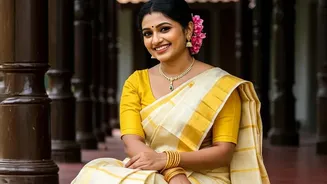
For many, an old saree is not just six yards of fabric; it's a collection of memories. It could be a mother's wedding saree or a grandmother's favourite for festivals. By transforming these emotionally significant pieces into drapes, you are not discarding them but rather framing these memories as part of your daily life. The intricate pallu can become the centrepiece of a curtain panel, or the detailed border can be used to create an elegant edge. This act of creative preservation ensures that the stories woven into the fabric continue to be a part of the family's narrative, seen and appreciated every day.