




The Festive Food Downfall
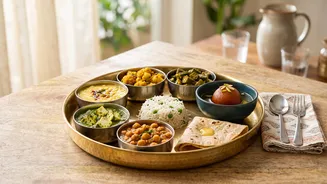
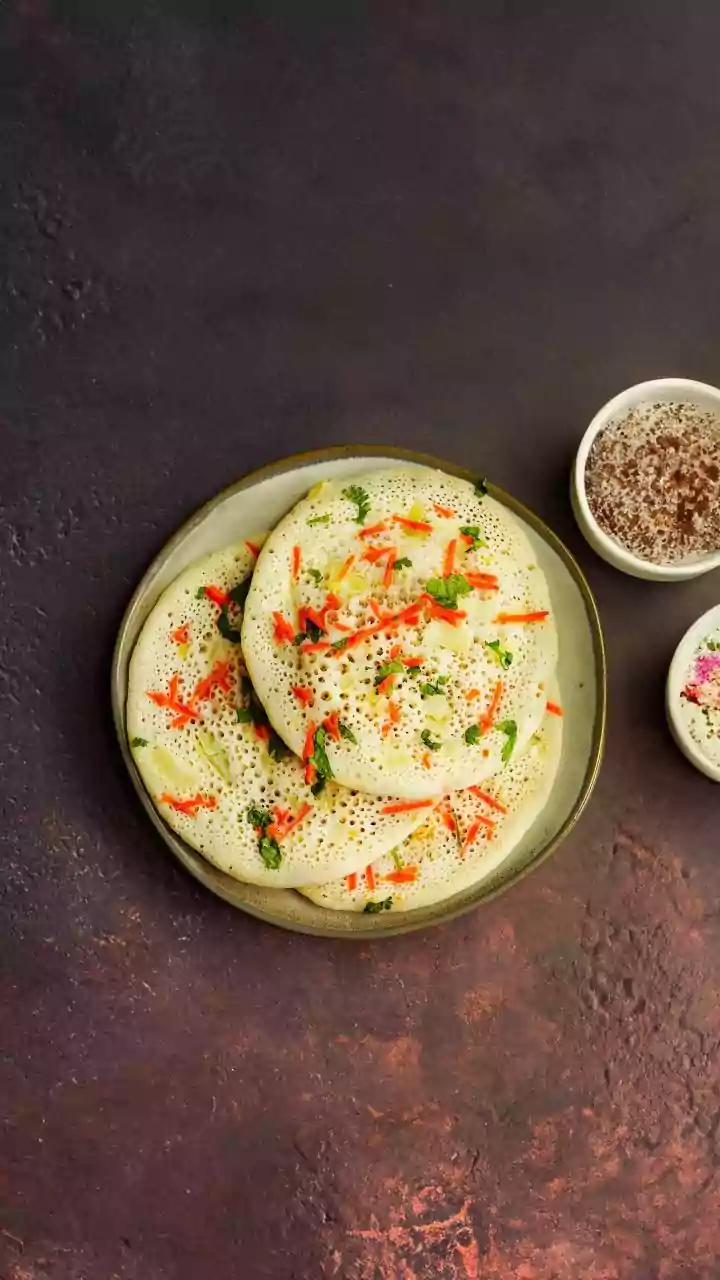
From rich curries and fried snacks to decadent sweets, festive foods are designed for celebration, not necessarily for daily nutrition. These dishes are often high in refined carbohydrates, unhealthy fats, and sugar. While delicious, a sudden and sustained
intake of these foods can send your body on a rollercoaster. It can lead to rapid blood sugar spikes followed by energy crashes, leaving you feeling sluggish and irritable. Over time, this pattern can contribute to digestive issues, weight gain, and even disrupt the hormones that regulate your hunger. This isn't about labelling foods as 'good' or 'bad', but understanding their effects so you can make informed choices.
Why Your Body Craves Balance
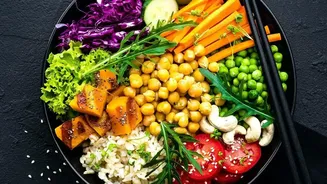
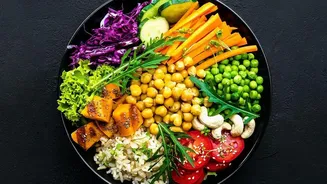
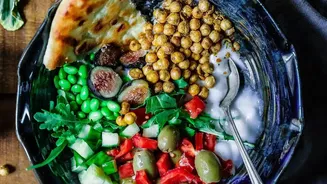
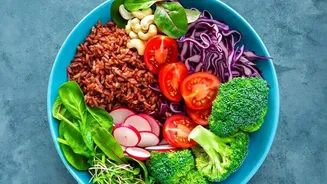
A balanced meal provides a mix of macronutrients: protein, healthy fats, and complex carbohydrates, along with essential vitamins and minerals from fibre-rich foods. This combination works to keep you energised and satisfied. Protein and fibre are particularly important as they slow down digestion, which helps prevent sharp spikes in blood sugar and keeps you feeling full for longer. This is the opposite of what happens when you eat a meal heavy in simple sugars and refined carbs, which can cause a rapid glucose spike and subsequent crash. Maintaining stable energy levels through balanced eating means you're less likely to experience intense cravings and can navigate a table of treats more mindfully.
The 'Don't Arrive Starving' Strategy
One of the most common mistakes is skipping meals to 'save' calories for a big festive dinner. This approach almost always backfires. Arriving at a gathering feeling famished makes you far more likely to overeat without thinking. A simple, effective strategy is to have a small, balanced snack before you go. Think of something that contains protein and fibre, like a piece of fruit with a handful of nuts, a small bowl of yoghurt, or a slice of whole-wheat toast with avocado. This takes the edge off your hunger, allowing you to socialise and make conscious food choices from a place of comfort, not desperation.
Build a Smarter Plate
When you're faced with a buffet, be strategic. A good rule of thumb is to fill half your plate with vegetables or a fresh salad first. This ensures you get a healthy dose of fibre and nutrients, leaving less room for heavier options. Next, add a source of lean protein—like grilled chicken, fish, paneer, or lentils—which will help with satiety. Then, you can add smaller portions of the more indulgent dishes you really want to try. Research suggests people tend to load up on the first few items in a buffet line, so take a moment to survey all the options before you start filling your plate. Using a smaller plate can also be a helpful psychological trick to manage portion sizes.
Practice Mindful Indulgence
Balance does not mean deprivation. Completely forbidding yourself from eating your favourite festive foods can create feelings of guilt and may even lead to bingeing later. A healthier approach is mindful indulgence. Choose one or two treats that you truly love and savour them. Eat slowly, pay attention to the flavours and textures, and enjoy the experience without distraction. When you eat mindfully, a smaller portion can feel just as satisfying. It's also helpful to pause for about 10-20 minutes before going back for a second helping, as it takes time for your brain to register that you're full.
Hydration and Movement Are Key
In the midst of festive chaos, it's easy to forget to drink water. Staying hydrated can help you feel full and prevent you from mistaking thirst for hunger. Try to alternate sugary or alcoholic drinks with a glass of water to manage your intake of liquid calories. Additionally, incorporating some light physical activity can make a big difference. You don't need an intense workout; even a short walk after a meal can aid digestion and help regulate blood sugar levels. These simple habits support your body's overall balance and well-being during a season of indulgence.