

The Quest for Complete Protein
Protein is essential for everyone, but for athletes, it’s the critical ingredient for muscle repair and growth. Every time you train, you create tiny micro-tears in your muscles; protein provides the building blocks to repair this damage, making you stronger.
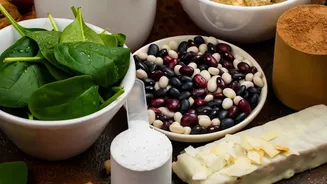
These building blocks are called amino acids. While the body can produce some of them, there are nine—known as essential amino acids—that we must get from food. A food source that contains all nine of these essential amino acids in adequate amounts is called a “complete protein.” Animal products like meat, eggs, and dairy are well-known complete proteins, which is why many vegetarian athletes pay close attention to the composition of their plant-based meals to ensure they aren't missing anything.
The Lentil's Missing Piece
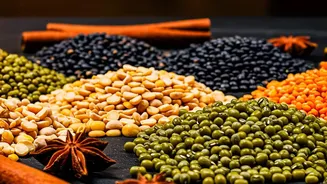
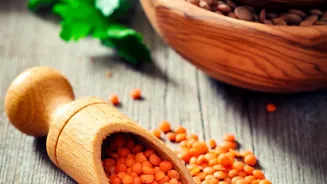
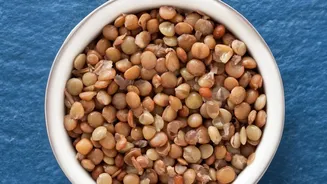
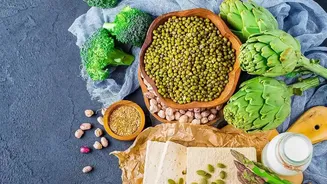
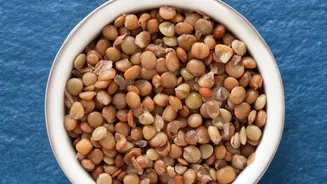
Lentils are a celebrated staple in vegetarian and vegan diets for good reason. A single cooked cup can provide around 18 grams of protein, along with valuable fibre and minerals. They are an affordable, versatile, and sustainable protein source often called the "poor man's meat." However, by strict nutritional definitions, lentils are not considered a complete protein on their own. While they contain all nine essential amino acids, they are low in two specific sulfur-containing ones: methionine and cysteine. This is a common trait among legumes. For an athlete's body to effectively use the protein for muscle synthesis, it needs a sufficient supply of all nine essential building blocks. If one is in short supply, it creates a bottleneck, limiting the body's ability to use the others.
Seeds to the Rescue
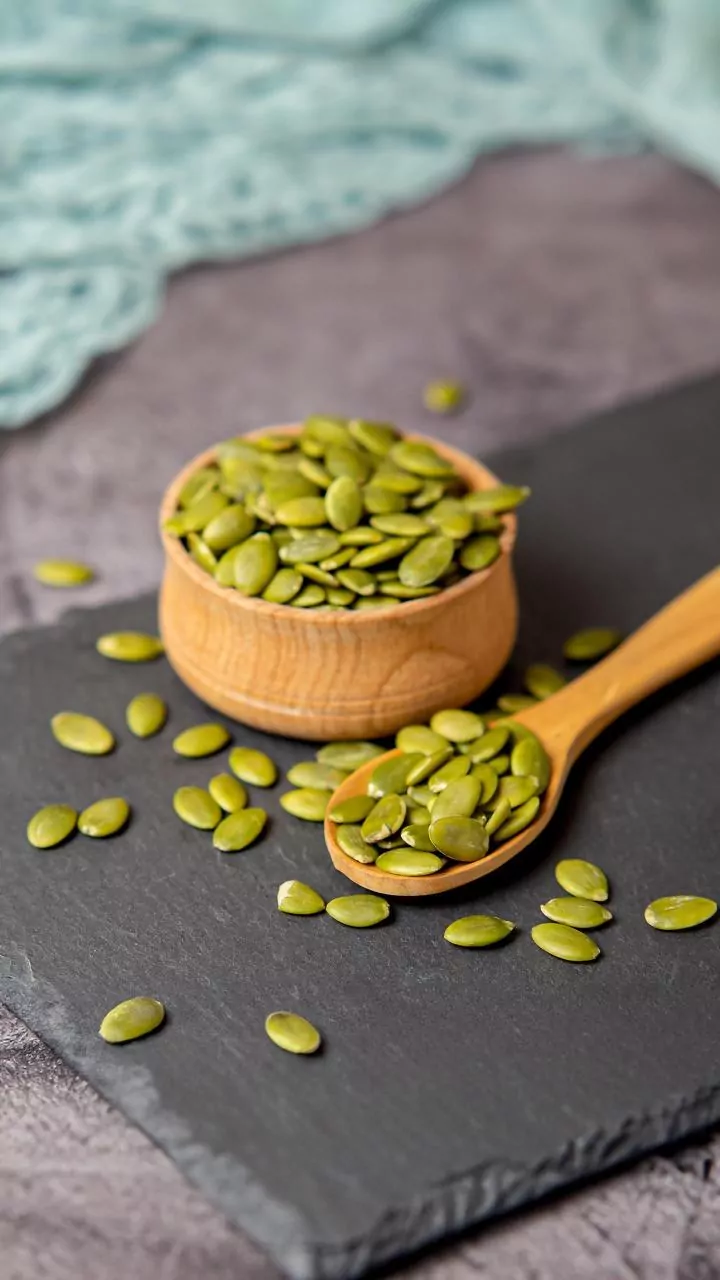
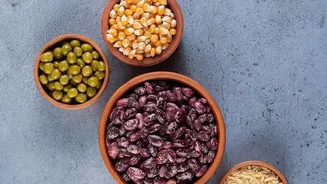
This is where the concept of protein complementation comes into play, and it’s simpler than it sounds. You just need to pair foods that have complementary amino acid profiles. The amino acids that lentils lack, other plant foods have in abundance. Seeds are a perfect partner. Many types of seeds—particularly sesame, sunflower, pumpkin, and hemp seeds—are rich in the very amino acids (methionine and cysteine) that are less abundant in lentils. By combining lentils and seeds in a meal, you create a dish that provides all nine essential amino acids in healthy proportions, effectively making a complete protein. This is the same principle behind traditional food pairings found across the globe, like rice and beans or hummus (chickpeas and sesame tahini) with pita bread. These cultures figured out the secret to complete proteins long before we had the science to explain it.
Putting It All Together In Your Kitchen
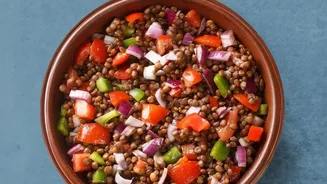
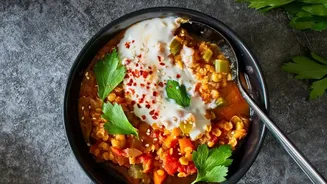
You don't need a degree in nutrition or complicated charts to apply this principle. The key is simply to be mindful of including both food groups in your diet, often in the same meal for maximum benefit. For athletes looking for practical ways to fuel their bodies, the options are delicious and easy to integrate into any routine. Sprinkle a generous spoonful of sunflower or pumpkin seeds over a warm bowl of dal or lentil soup. Blend tahini (sesame seed paste) into a lentil-based dip or spread. When making homemade veggie burgers or koftas with a lentil base, mix in ground hemp or sesame seeds. You can even top a simple lentil salad with a handful of toasted seeds for added crunch and a complete protein boost. This simple habit ensures your body gets the full spectrum of amino acids it needs to recover from training, build strength, and perform at its best.