





The Great Digital Migration to the Coast
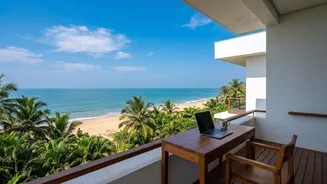
The dream of working from a beach is no longer just a fantasy. For many remote professionals from cities like Mumbai, Bengaluru, and Delhi, it has become a reality along Goa’s sun-drenched coast. This shift is driven by a desire to escape the noise and pollution
of urban life in favour of a better work-life balance. Goa's appeal lies in its unique blend of a relaxed lifestyle, vibrant culture, and a growing infrastructure that supports remote work. The state government has even recognised this trend, aiming to position Goa as a premier work-from-home destination by enhancing connectivity and infrastructure. This digital migration isn't just about changing a location; it's about embracing a slower, more intentional way of living where a morning walk on the beach can replace a stressful commute.
North vs. South: Choosing Your Goan Hub
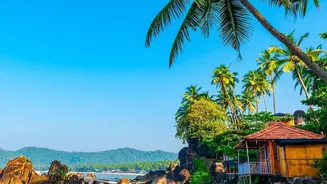
A key decision for any aspiring Goa resident is choosing between the bustling North and the tranquil South. North Goa, with its hubs in Anjuna, Vagator, and Arambol, is the epicentre of the digital nomad scene. This area is known for its lively nightlife, flea markets, and a dense concentration of co-working spaces and laptop-friendly cafes. It’s ideal for those seeking community and networking opportunities. In contrast, South Goa, with towns like Palolem and Colva, offers a more peaceful and laid-back atmosphere. It appeals to those looking to unwind and connect with nature, away from the party scene. While the South is quieter, it is also developing its own remote work infrastructure, with hostels and co-living spaces offering dedicated co-working areas. The choice ultimately depends on whether your ideal workday ends with a networking event or a quiet sunset.
Beyond the Beach: Building a Professional Life
Contrary to the holiday image, a successful move to Goa requires more than just a laptop and a love for the sea. A robust professional ecosystem has emerged to support this new wave of residents. Co-working and co-living spaces like NomadGao in Anjuna and Jungle by Sturmfrei in Palolem have become crucial, providing not just high-speed internet and power backup, but also a built-in community of like-minded individuals. Cafes in Panjim, Anjuna, and Vagator have also adapted, offering work-friendly environments with charging points and a quiet ambiance. This infrastructure is vital for productivity, turning the dream of a 'workcation' into a sustainable, long-term lifestyle. These hubs foster collaboration and creativity, proving that a productive professional life can coexist with Goa's relaxed 'susegad' vibe.
The Reality Check: Sun, Sand, and Setbacks
While the Goan lifestyle is idyllic, it's not without its challenges. Unreliable internet and frequent power cuts, especially in more rural areas and during the monsoon season, can be a major frustration for remote workers who depend on constant connectivity. While co-working spaces offer backups, working from a rented home can be difficult. The cost of living, while generally more affordable than in major metros, has been rising due to increased demand. Rent for a well-located apartment can be higher than expected. Navigating local transport can also be a hurdle, with scooter rentals being the most common but sometimes intimidating option on Goa's chaotic roads. Furthermore, the heavy reliance on seasonal tourism means that during the monsoon (June to September), many establishments close, altering the social landscape significantly.