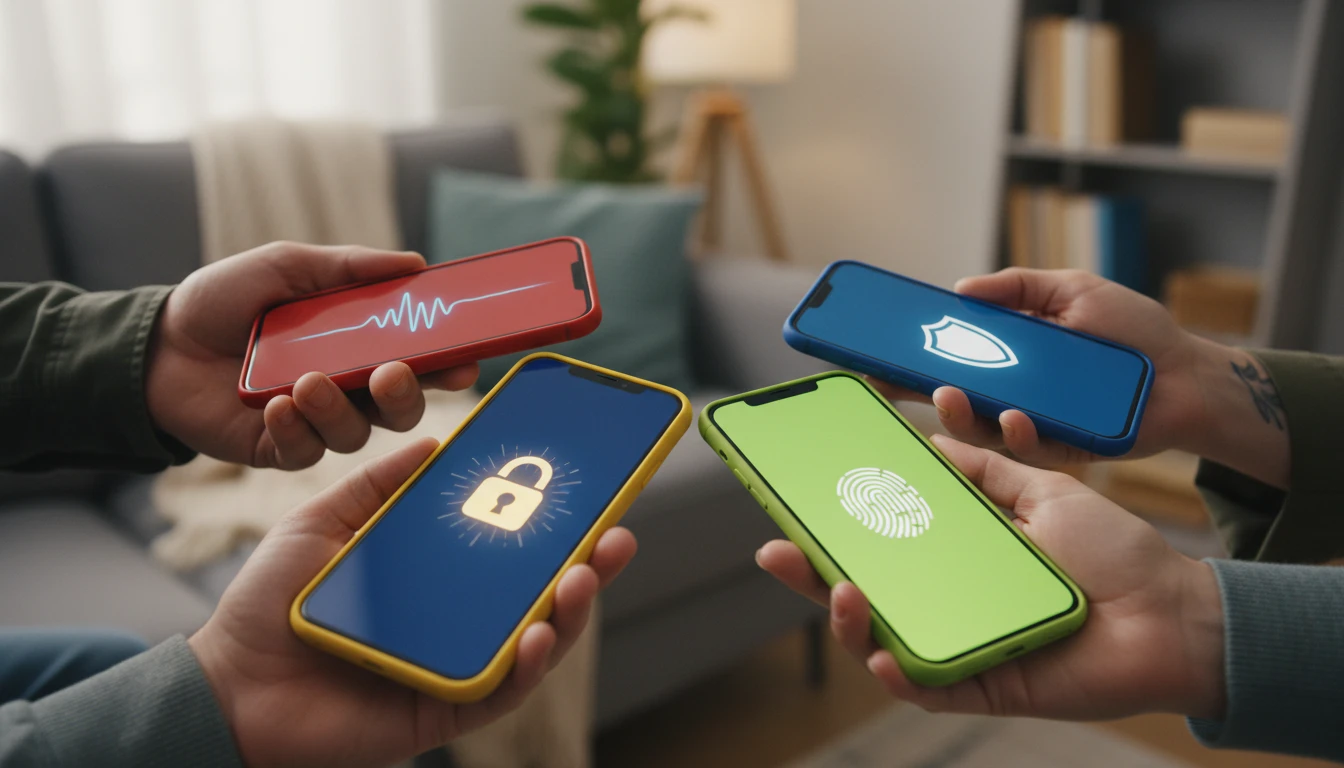









The New Era of Impersonation
Welcome to the unnerving world of real-time AI voice impersonation. The technology, often called voice cloning or audio deepfaking, has become alarmingly accessible and effective. With just a few seconds of audio from a social media post, a podcast appearance,
or even a voicemail greeting, scammers can generate a lifelike digital replica of someone's voice. These AI models don't just mimic words; they capture the unique tone, cadence, and emotional inflection that make a voice recognizable. This transforms old-school phone scams, like the classic “grandparent scam,” from a dubious ploy into a highly believable and emotionally manipulative attack. The goal is to trigger a fear-based response, knowing that when we get scared, we often don't exercise the best judgment.
Your Low-Tech Defense: The Verbal Protocol
In the face of such high-tech deception, the most powerful defense is surprisingly simple and human: a pre-established verbal protocol. Often called a family safe word or code word, this is a secret word or phrase that only your family members know. The logic is irrefutable: an AI can clone a voice, but it cannot clone knowledge it doesn't have. If you receive a frantic, unexpected call asking for money or help, your first step isn't to analyze the voice for subtle digital artifacts—it's to ask for the safe word. If the caller can't provide it, you know it's a scam, regardless of how convincing they sound. Law enforcement and cybersecurity experts now widely recommend this tactic as the most effective line of defense.
How to Create Your Family Protocol
Creating a family safe word is straightforward, but a few guidelines make it much more effective. First, choose something memorable but un-guessable. Avoid anything that could be found on social media, like pet names, birthdays, or street names. Scammers often research their targets online before calling. A random combination of words like “purple pancake” or a reference to a private family memory that has never been shared online works best. Second, share the word in person or through a secure, encrypted channel, never via text or social media. Ensure everyone, including children and elderly relatives, understands the rule: any unexpected call involving urgency and a request for money must be met with the safe word challenge. No word, no money, no exceptions.
Putting the Protocol into Action
The key to a successful protocol is consistent use. It's crucial to frame the conversation not as policing a relative, but as a collective security measure that protects everyone. A good script might be: “We’re setting up a family password for phone calls. If anyone ever calls asking for money, even if it sounds exactly like me, ask for the word. If they can’t give it, hang up and call me directly.” Practice it, and remind family members about it periodically. If you suspect you're on the phone with a scammer, remain calm. Ask for the safe word. If they deflect, pressure you, or can't provide it, hang up immediately. Do not engage further. After hanging up, try to contact the real family member using a known, trusted phone number to verify their safety and alert them to the attempt.