




What Is a Smoke Point and Why Does It Matter?
Before we can pick a winner, we need to understand the science. The smoke point is the temperature at which a fat or oil stops shimmering and starts to smoke. This isn't just a sign of a too-hot pan; it's the point where the fat begins to break down.
When this happens, its nutritional value degrades, the flavour can turn bitter and acrid, and it releases potentially harmful compounds called free radicals. For the health-conscious home chef, using a fat within its smoke point range is crucial for both taste and well-being. Consistently overheating your oil can ruin a perfectly good meal and negate the health benefits of your carefully chosen ingredients.
The Cold-Pressed Revolution
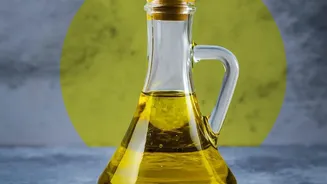
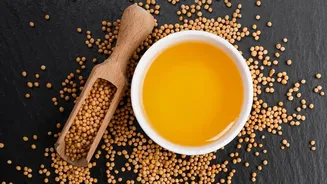
Cold-pressed oils are everywhere now, and for good reason. This method of extraction involves crushing seeds or nuts and forcing out the oil without using heat or chemicals. This gentle process helps the oils retain more of their natural nutrients, antioxidants like Vitamin E, and distinct flavours. Common Indian varieties include groundnut, mustard, sesame, and coconut oil. However, this purity often comes with a lower smoke point. For instance, cold-pressed groundnut oil's smoke point is around 160°C, while unrefined virgin coconut oil's is about 177°C. This makes them fantastic for dressings, drizzling, and low-to-medium heat cooking like sautéing, but less ideal for high-heat applications like deep-frying. An exception is cold-pressed mustard oil, which has a surprisingly high smoke point of around 250°C, similar to ghee.
Ghee: The Golden Standard for High Heat
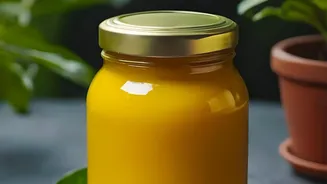
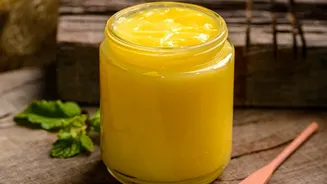
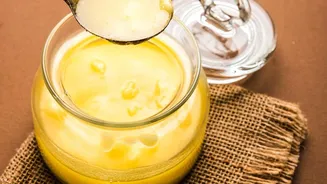
Ghee is a type of clarified butter that has been a staple in Indian households for centuries. The process of making ghee involves simmering butter to remove the water and milk solids, leaving behind pure butterfat. This clarification process is what gives ghee its incredibly high smoke point, typically around 250°C (485°F). This makes it exceptionally stable and perfect for high-heat Indian cooking methods like tadka (tempering), deep-frying, and searing. Unlike butter, which can burn quickly at around 175°C, ghee can handle the heat without breaking down. When it comes to infused ghee, where herbs and spices are steeped in the fat, the smoke point generally remains high. The infusion process is more about capturing the flavour and therapeutic properties of the herbs, which are made more bioavailable by the fat, rather than altering the ghee's fundamental structure.
The Kitchen Showdown: When to Use Which
So, which one should you reach for? The answer isn't about which is universally 'better,' but which is right for the job. For High-Heat Cooking: Ghee is the undisputed champion for deep-frying, roasting, and high-heat searing. Its stability at high temperatures ensures your food cooks perfectly without the fat breaking down. Cold-pressed mustard oil is also a strong contender here. For Medium-Heat Cooking: For everyday sabzis, stir-fries, and sautéing, cold-pressed oils like groundnut, coconut, and sesame are excellent choices. They bring their unique flavours and nutritional profiles to the dish, as long as you manage the heat. For Raw Preparations: For salad dressings, marinades, or a finishing drizzle over a dish, cold-pressed oils are the way to go. Their robust, natural flavours are the star, something you'd lose with heat. Ghee, on the other hand, solidifies at cooler temperatures and is less suitable for these uses.