






An Age-Old Tradition in a Modern World
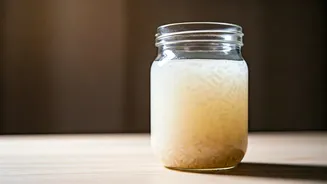
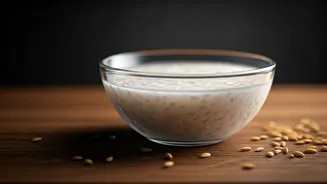
Fermented rice water is the liquid left over after soaking cooked rice, typically overnight. This practice has been a cornerstone in many parts of India and Southeast Asia for centuries, especially in southern and eastern states where it's known by names
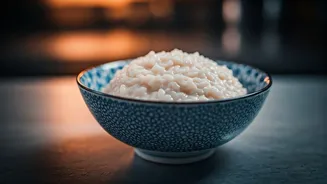
like Neeragaram, Pakhala, and Panta Bhat. Traditionally, farmers and labourers would consume this beverage in the morning for a boost of energy and to stay cool throughout the day. The process is simple: leftover cooked rice is submerged in water, often in a clay pot, and left at room temperature. This allows natural fermentation to occur, transforming the starchy water into a nutrient-rich drink.
The Probiotic Promise for Your Gut
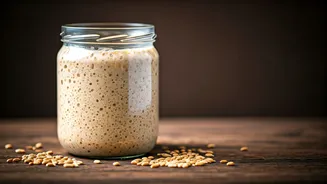
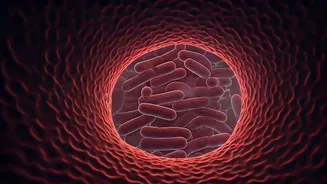
The central claim for fermented rice water is its benefit for gut health, which hinges on probiotics. The fermentation process encourages the growth of beneficial bacteria, primarily Lactic Acid Bacteria (LAB) such as Lactobacillus. These are the same types of 'good bacteria' found in yoghurt and other probiotic foods. Proponents suggest these live microorganisms can help balance the gut microbiome, which is crucial for digestion, nutrient absorption, and overall immunity. A healthy gut flora can help manage issues like bloating, indigestion, and constipation.
What Does the Science Say?
While the traditional wisdom is strong, modern scientific research is still catching up. However, preliminary studies are promising. Research indicates that fermenting rice significantly increases its nutritional profile. One study found that the fermentation process breaks down anti-nutrients like phytic acid in rice, which in turn improves the body's ability to absorb essential minerals like iron and calcium. A 2024 study identified over 200 beneficial metabolites, known as postbiotics, in fermented rice water that contribute to gut health. Another study from a Chennai hospital noted that patients with Irritable Bowel Disease (IBD) showed significant improvement after consuming fermented rice kanji for six months. However, most studies are small-scale, and large human trials are needed to make definitive claims.
Beyond the Gut: Other Potential Benefits
The benefits may not stop at the gut. Fermentation enhances the availability of B vitamins and vitamin K. The resulting drink is also a source of antioxidants. Traditionally, it’s valued as a natural coolant and a way to rehydrate the body, making it a popular summer drink. Some nutritionists also point to its role in boosting metabolism and providing a quick source of energy without being heavy on the stomach. The improvement in nutrient absorption and overall gut health is also believed to contribute to healthier skin and hair, though this is more of an indirect benefit.
How to Prepare It Safely at Home
If you're curious to try it, preparation is straightforward but requires care. Start with a cup of cooked rice (leftover is perfect) in a clean clay or glass container. Add two cups of filtered water, cover loosely with a cloth, and let it sit at room temperature for 8 to 24 hours. The fermentation time depends on your climate; it will be faster in warmer weather. After fermenting, the water will have a slightly sour, tangy smell. You can drink the water, or mash the rice into the liquid for a fuller meal, often seasoned with a pinch of salt, chopped onions, or buttermilk. It's best consumed fresh.
Potential Risks and Considerations
While generally safe, there are risks associated with any home-fermented product. The primary concern is contamination. Using unclean utensils or letting it ferment for too long can lead to the growth of harmful bacteria instead of beneficial ones. If the water smells off, looks mouldy, or tastes unpleasant, it should be discarded. People with compromised immune systems or specific health conditions should consult a healthcare professional before adding fermented foods to their diet. It’s also wise to start with a small amount to see how your body reacts.