




The Paradox of Beauty Choice
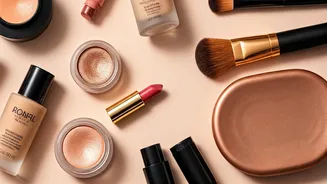
The modern beauty market is a classic case of the paradox of choice: so many options that it becomes stressful instead of liberating. Reports suggest up to 70% of consumers feel overwhelmed by the sheer number of products available. [7] This leads to decision
fatigue and, often, purchase regret. Finding the right foundation shade online is a gamble, and deciphering ingredient lists for skincare requires a chemistry degree. The result is a drawer full of barely used products and a sense of frustration. This common problem has left a significant gap in the market for a smarter, more personalized way to shop.
Enter Your AI Beauty Assistant
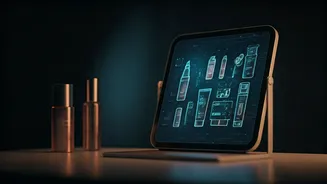
Artificial intelligence is now filling that gap, acting as a knowledgeable guide in your pocket. AI beauty tools, often integrated into brand websites and mobile apps, use your phone's camera and sophisticated algorithms to offer personalized advice. [23] These tools range from virtual try-on apps that let you see how a lipstick looks on your face in real-time to diagnostic tools that analyze your skin from a single selfie. [4, 23] Major brands like L'Oréal and Sephora, as well as specialized tech companies like Perfect Corp and Revieve, are pioneering this space, aiming to make beauty more accessible and customized. [2, 7, 26]
How Does It Actually Work?
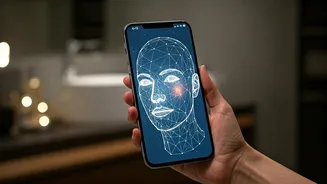
The technology sounds futuristic, but it's surprisingly intuitive. Virtual try-on tools use augmented reality (AR) and advanced facial recognition to map dozens of key points on your face, like the corners of your lips and eyes. [5] This allows the technology to overlay digital makeup with remarkable precision, even as you move your head. [4, 5] For skincare, AI algorithms analyze a photo of your face to detect concerns like wrinkles, redness, dark spots, and pore size. [1, 28] These systems are trained on vast datasets of images, often annotated by dermatologists, to ensure their analysis is accurate and reliable. [9] Some platforms even consider environmental factors like local humidity and UV index to refine their recommendations. [29]
From Foundation Matching to Skincare Routines
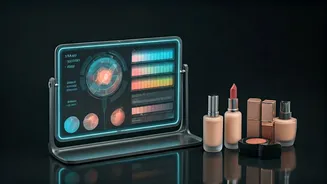
The applications are incredibly practical. Sephora's Virtual Artist, powered by technology from ModiFace, allows users to try on thousands of makeup shades, significantly boosting purchase confidence. [2, 6] L'Oréal's Beauty Genius goes a step further, offering a conversational AI assistant that provides skin and hair diagnostics, recommends full routines from over 750 products, and integrates AR try-ons. [7, 9] Other tools like the YouCam Makeup app and Haut.AI's skin analysis offer clinical-grade diagnostics that can identify over a dozen different skin concerns and track their progress over time, turning your phone into a pocket-sized skin consultant. [3, 28]
Beyond Convenience: A More Inclusive and Sustainable Future
The benefits of AI in beauty go beyond just avoiding a bad makeup purchase. These tools are fostering a more inclusive industry by better catering to a wide spectrum of skin tones that have historically been underserved. [22] By offering accurate virtual trials, they also significantly reduce waste from product returns and the need for single-use in-store samplers. [22, 27] For consumers, it means more confidence in their purchases and a better understanding of their own skin and hair needs. For brands, it leads to higher customer satisfaction, increased loyalty, and valuable insights into what consumers are looking for. [19]