








Why Traffic Planning is Crucial
The Puri Rath Yatra, scheduled for July 16, 2026, is one of the largest religious gatherings in the world. To manage the influx of an estimated one to two million devotees, the Odisha Police and district administration implement a comprehensive traffic
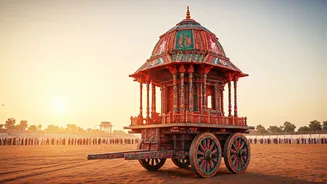
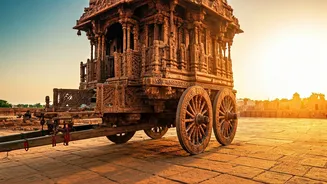
and security plan. This involves turning large parts of the city into pedestrian-only zones to ensure the safety of pilgrims and the smooth passage of the three majestic chariots along the Bada Danda, or Grand Road. For any visitor, ignoring these plans doesn't just mean getting stuck in traffic; it could mean missing the darshan altogether. The primary goal of the authorities is to ensure devotees can reach Puri, have a hassle-free experience, and return safely.
The Heart of the Action: No-Vehicle Zones
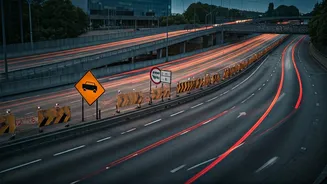
The centerpiece of the traffic plan is the Bada Danda, the main procession route from the Jagannath Temple to the Gundicha Temple. This entire stretch is declared a strict no-vehicle zone. Extensive diversions will be in place across Puri, with vehicle movement heavily restricted near the main temple and the procession route. These restrictions typically begin from the midnight before the main Yatra day and extend through the major rituals of the festival. This means you cannot drive directly to your hotel if it falls within the barricaded area, nor can you take a taxi to the temple gate. Planning to walk the final stretch is a key part of the experience.
Parking Plans and Shuttle Services
So, where do you leave your vehicle? Authorities designate numerous large-scale parking areas on the outskirts of the city. For vehicles arriving from Bhubaneswar, parking is often arranged at places like the Talabania grounds. Similarly, separate parking zones are set up for vehicles coming from the Konark and Brahmagiri sides. In past years, specific grounds have been allocated for two-wheelers, light motor vehicles (cars), and tourist buses. To bridge the gap from these distant parking lots, shuttle bus services are often operated to ferry pilgrims to points closer to the main festival area. Be prepared for these shuttles to be crowded and factor in extra time for this leg of your journey.
Arriving by Train or Flight
If you're arriving by train at Puri Railway Station or by air via Bhubaneswar's Biju Patnaik International Airport, your journey isn't over. The railway station area itself becomes extremely congested. While special pilgrim trains are often scheduled, booking well in advance is crucial. From the airport, which is about 60 km away, pre-booking a taxi is highly recommended as on-the-spot availability will be low. Even with a pre-booked car, your driver will only be able to take you as far as the police barricades allow. Coordinating your drop-off point and being prepared to walk or use local transport from there is vital.
Tips for a Smooth Pilgrimage
To make your visit as smooth as possible, authorities advise arriving in Puri at least a day or two before the main Rath Yatra on July 16. This allows you to settle in before the most severe restrictions and crowds begin. The Odisha Police urges all visitors to regularly check its official portal for the latest traffic advisories, as plans can be updated in real-time. Technology will play a key role, with LED screens installed across the city to provide updates on crowds and rituals. Travel light, wear comfortable footwear, carry water, and always follow the instructions of the police and volunteers on the ground for a safe experience.