








The Green Prep: Before You Leave Home
A successful eco-conscious trek begins long before you hit the trail. The first step is to minimise your footprint from the get-go. Instead of driving solo, consider carpooling with friends or using public transport like state buses or trains, which drastically
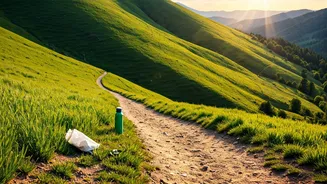
reduces carbon emissions per person. When packing, think ‘reusable’. Ditch single-use plastic bottles for a durable, refillable one. Pack your snacks in reusable containers instead of plastic bags. Carry a cloth bag for any potential shopping. Also, pack a separate small bag dedicated to collecting your own trash—and any other you might find along the way. A little preparation goes a long way in ensuring you leave the hills as beautiful as you found them.
On the Trail: Embrace 'Leave No Trace'
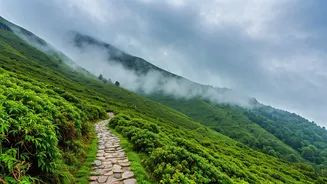
The core philosophy of any green trekker is ‘Leave No Trace’. This means everything you bring in, you must take out. This includes food wrappers, fruit peels, cigarette butts, and plastic bottles. While fruit peels are biodegradable, they can take months or years to decompose in a non-native environment and can attract animals, altering their natural behaviour. Stick to the designated trails. Venturing off-piste can cause soil erosion, damage delicate flora, and disturb wildlife habitats. The paths are there for a reason—to concentrate human impact in one area, allowing the surrounding nature to thrive. Keep your voice down and avoid playing loud music. The sounds of nature are part of the experience; respect them and the peace of fellow trekkers.
Respect Wildlife and Local Culture
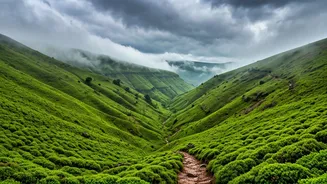
The hills of the Western Ghats are teeming with life, from tiny insects to birds and mammals. Observe wildlife from a distance. Never feed animals, as this makes them dependent on humans and can be harmful to their health. In areas like Mahabaleshwar, which is part of an eco-sensitive zone, this is especially crucial for preserving the delicate balance. Similarly, when your trek takes you through small villages, be a respectful guest. Dress modestly, ask for permission before taking photographs of people or their homes, and interact with a smile. Supporting local communities is a key part of sustainable tourism. Buy local produce or handicrafts if you get the chance, contributing directly to the local economy.
Lonavala & Mahabaleshwar: Specific Tips
For treks around Lonavala, like those to Rajmachi Fort or Duke's Nose, overcrowding during weekends is common. This has led to a significant problem with litter. Be extra vigilant here. Some local trekking groups organise clean-up drives; consider joining one if your schedule permits. In Mahabaleshwar, famous for its dense evergreen forests, the risk of forest fires is real, especially in drier months. Never light fires outside designated campfire areas. The trails around Arthur's Seat and Pratapgad are precious ecological corridors. Your responsible behaviour helps protect these ancient forests that are the source of rivers like the Krishna. Always check local regulations before you go, as authorities sometimes restrict access to certain areas to allow nature to regenerate.
Choose Green Stays and Eats
Your eco-conscious effort doesn't end when the trek does. Extend your green philosophy to where you stay and eat. Opt for homestays or small, locally-owned guesthouses over large commercial hotels. These options usually have a smaller environmental footprint and offer a more authentic experience. Ask about their waste management and water conservation practices. Many establishments in these tourist towns are becoming more aware and adopting sustainable measures. When it comes to food, eat at local restaurants that serve regional cuisine. This not only supports local farmers and reduces food miles but also gives you a delicious taste of the local culture.