








The New Engines of Economic Growth
The long-held assumption that careers and opportunities are exclusive to cities like Mumbai, Delhi, and Bengaluru is rapidly becoming outdated. [2, 16] A new wave of growth is being powered by Tier-II cities—mid-sized urban centers like Jaipur, Indore,
Coimbatore, Lucknow, and Chandigarh. [12, 16] Once seen as secondary markets, these cities are now emerging as primary drivers of India's economic expansion. This isn't a temporary trend; it's a structural shift. Lower operational costs, a better quality of life, and a large, untapped consumer base are turning these cities into magnets for investment, talent, and innovation. [12, 16] As metro cities grapple with saturation, high living costs, and strained infrastructure, Tier-II hubs are offering a compelling alternative for both businesses and professionals.
Infrastructure: The Foundation for Transformation
A massive, nationwide infrastructure push has been the primary catalyst for this glow-up. [3] Flagship government programs like the Smart Cities Mission and PM Gati Shakti Master Plan have poured capital into upgrading urban infrastructure in these regions. [3] The development of new expressways, modern airports under the UDAN scheme, and expanding metro rail networks have dramatically improved connectivity, linking smaller cities to major economic corridors. [13, 17] This enhanced physical infrastructure, combined with the spread of high-speed internet, has laid a robust foundation for businesses to thrive, making logistics more efficient and markets more accessible than ever before. [16, 22] This has transformed once-isolated towns into viable hubs for commerce and industry. [13, 28]
A Revolution in Retail and Real Estate
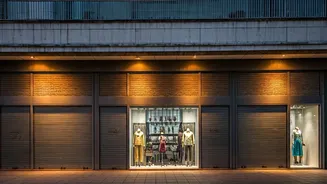
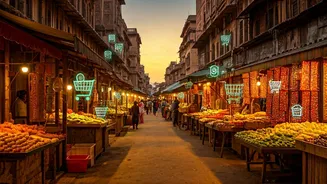
With rising disposable incomes and digital fluency, a new consumer class has emerged in Tier-II cities, hungry for branded goods and modern retail experiences. [14, 15] E-commerce has boomed, with some reports indicating that over 60% of online transactions now originate from non-metro markets. [14, 25] This has been matched by a surge in physical retail, with Grade A shopping centers and international brands making significant inroads. [21, 26] This consumption boom is mirrored in the real estate sector. As property prices in metros become prohibitive, both homebuyers and investors are turning to Tier-II cities, leading to significant price appreciation in markets like Lucknow and Jaipur. [5, 11] Developers are following the demand, with a substantial portion of land acquisition now focused outside the major metros. [13]
The Rise of New Startup Hubs
India's startup ecosystem is also decentralizing. For years, Bengaluru was the undisputed epicentre, but that is no longer the case. Over half of all government-recognised startups now come from Tier-II and Tier-III cities. [2, 7] Entrepreneurs are drawn by lower burn rates—with operational costs that can be 25-30% lower than in metros—and access to a growing pool of local talent from regional universities. [2, 18] Cities like Jaipur, Kochi, and Coimbatore are cultivating their own specialized innovation ecosystems in fields like fintech, agritech, and industrial IoT. [18] While challenges in accessing venture capital remain, government initiatives and state-led incubators are increasingly providing the mentorship and seed funding needed to nurture these burgeoning startup hubs. [2, 4, 7]