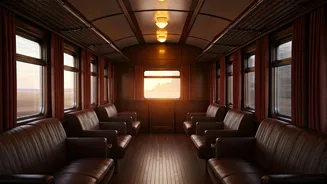






A Rebellion Against 'Vacation Burnout'
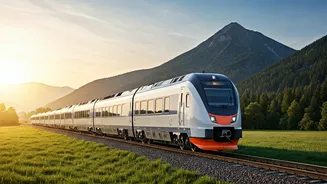
For many, the appeal of train travel is a direct response to the exhaustion of modern tourism. The concept, often called “slow travel,” prioritizes depth over distance and connection over checklists. Instead of rushing through five cities in seven days,
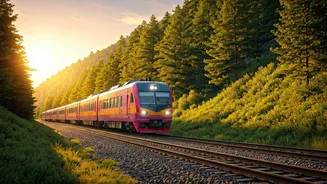
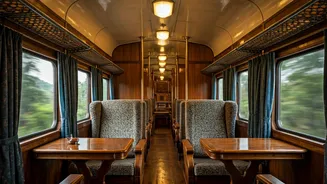
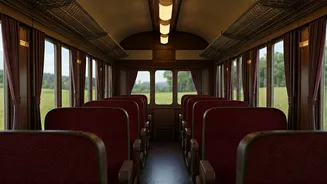
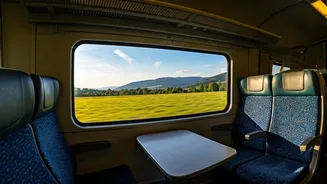
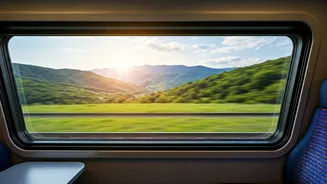
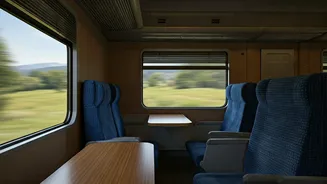
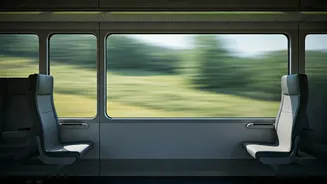
travellers are choosing to linger, immerse themselves in a single region, and actually return home feeling rested. This mindset rejects the idea that a holiday needs a packed itinerary to be worthwhile. It’s about trading the anxiety of airport security and cramped cabins for spacious seating, the freedom to move around, and a front-row seat to the unfolding landscape outside your window. Travellers are seeking a mental reset from a hyper-productive world, and the unhurried, steady pace of the tracks provides the perfect antidote.
The Green Appeal of a Lighter Footprint
The shift towards rail is also powered by a growing environmental consciousness. With terms like "flight shame" entering the lexicon, many travellers are actively seeking more sustainable ways to explore the world. The numbers clearly support this choice. A train journey produces significantly less CO2 per passenger than flying; some studies suggest taking the train can cut your carbon emissions by as much as 90% on certain routes. For instance, a trip from London to Paris by train generates a fraction of the emissions of a flight. This is because trains are more energy-efficient, carry more people at once, and avoid the high-altitude emissions of airplanes, which have a more potent warming effect. Choosing the train has become a tangible way for individuals to lower their environmental impact while still satisfying their wanderlust.
The Renaissance of the Sleeper Train
One of the most exciting aspects of this rail revival is the comeback of the sleeper train, especially in Europe. Once thought to be a relic of a bygone era, overnight trains are now seen as a highly efficient and enjoyable way to travel. They combine transport and accommodation, saving travellers the cost of a hotel room and a precious day of their vacation. New and refurbished routes are connecting major cities, offering everything from affordable couchettes to luxurious private cabins with en-suite bathrooms. Companies like Austria's ÖBB Nightjet have been instrumental in reviving routes, while new services are constantly being added, driven by traveller demand for greener, more convenient alternatives to short-haul flights.
More Than Just a European Affair
While Europe's extensive network often dominates the conversation, the enthusiasm for train travel is a global phenomenon. In the United States, Amtrak is experiencing a boom, with record ridership and significant investment from the 2021 bipartisan infrastructure bill aimed at modernizing its fleet and stations. The Federal Railroad Administration is studying the addition of 15 new long-distance routes to fill gaps in the network and connect more communities. In India, luxury trains like the Maharajas' Express offer opulent ways to see the country's most iconic destinations. From luxury operators reporting record bookings to a surge in demand for scenic journeys, the tracks are buzzing with new energy worldwide.
The Journey as the Destination
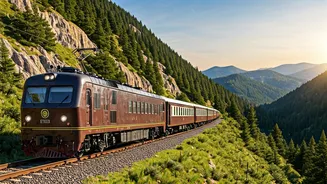
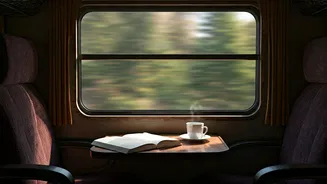
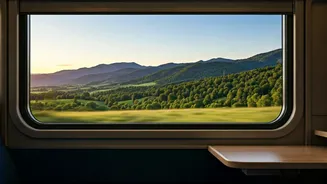
Ultimately, the new appeal of the train is about valuing the experience of travel itself. It’s the simple pleasure of watching the world go by, of sharing a meal in a dining car with fellow travellers, or reading a book without the constant hum of an airplane engine. Trains often travel through landscapes inaccessible by road, offering exclusive and breathtaking views. They deliver you to central city stations, eliminating the long and costly trek from a distant airport. In our digitally saturated lives, a train journey offers a rare chance to disconnect, relax, and appreciate the simple, profound beauty of a world in motion.