

Upgrade Your Rainwear to a System
A basic raincoat isn't enough for the sustained downpours of the Ghats. Think in layers. A lightweight, breathable, and fully waterproof jacket is your outer shell. Underneath, wear quick-drying synthetic T-shirts. Avoid cotton at all costs, as it soaks
up moisture, gets heavy, and takes ages to dry, leaving you cold and uncomfortable. A much better upgrade is adding a long poncho to your kit. A good poncho can cover both you and your backpack, providing a complete shield during heavy rain and keeping your essential gear dry. This combination of a jacket for mobility and a poncho for total coverage is a professional-level upgrade for serious monsoon travel.
Rethink Your Footwear for Grip and Drainage
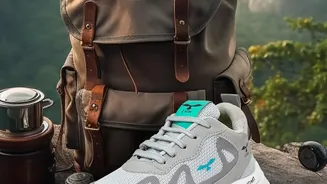
Monsoon trails are notoriously slippery, with wet rocks, moss, and mud making every step a potential hazard. Your city sneakers or flat-soled sports shoes are dangerously inadequate. The most critical upgrade you can make is a pair of trekking shoes with deep lugs and a soft rubber sole. This combination provides the best possible grip on wet, uneven surfaces. Look for shoes that are either fully waterproof with a membrane or, for shorter treks, have excellent drainage and are made of quick-drying materials. Never wear new shoes on a long trek; break them in for a few weeks to prevent painful blisters, which are one of the most common trekking injuries.
Implement a Double Waterproofing Strategy
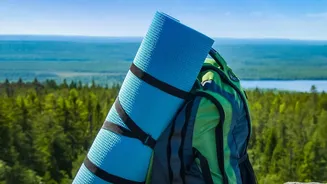
A rain cover for your backpack is a good start, but it's not foolproof. A single slip into a stream or hours of persistent rain can still leave your belongings soaked. The upgrade is a two-layer system. First, use the external rain cover. Second, and more importantly, line the inside of your backpack with a large, heavy-duty plastic bag or a dedicated pack liner. For critical items like electronics, warm clothing, and your wallet, use smaller, individual dry bags or zip-lock pouches. This 'bag-within-a-bag' method ensures that even if your main pack gets wet, your essential supplies remain completely dry.
Prepare for Leeches Proactively
Leeches are a simple fact of life on forest trails in the Western Ghats during the monsoon. While harmless, they can be a major nuisance. Instead of just reacting to them, prepare proactively. An effective upgrade is a pair of anti-leech socks. These are long, thick socks that go over your regular socks and trousers, creating a barrier. You can also apply insect repellent, salt, or a Dettol mixture around your shoes and ankles as a deterrent. Wearing full-length clothing and avoiding sitting directly on wet ground or logs will further reduce your chances of an encounter, making your trek far more pleasant.
Build a Monsoon-Specific First-Aid Kit
Your standard first-aid kit needs a few monsoon-specific additions. Given the wet conditions, focus on wound care and blister prevention. Include waterproof bandages, antiseptic wipes or liquid, and an antibiotic powder like Neosporin to prevent infections in damp environments. Blister pads or moleskin are non-negotiable for any trek. Pack oral rehydration salts (ORS) sachets; it's easy to get dehydrated even in cool, rainy weather. Also include a general painkiller, medication for allergies, and any personal medicines you require. Keep this entire kit in a waterproof pouch to ensure it stays effective when you need it most.
Prioritise Illumination and Navigation
Heavy rain and thick mist can drastically reduce visibility and cause disorientation, even on familiar trails. Furthermore, monsoon days can get dark surprisingly early. A reliable, waterproof headlamp is a crucial safety upgrade over a standard phone flashlight, as it keeps your hands free. Always carry extra batteries. Before you leave, download offline maps of the region on your phone. This ensures you have a reliable navigation tool even if you lose mobile network coverage, which is common in remote areas of the Ghats. Informing someone of your exact route and expected return time is a simple but vital safety step.